Understanding Certified Translation Requirements for Official Records
Submitting foreign-language paperwork to domestic authorities requires more than running text through automated software. Federal immigration officials, civil courts, and state licensing boards demand certified document translation that preserves the exact legal meaning and structure of the source record. A certified translation consists of the translated text accompanied by a formal, signed statement from the translator attesting that the work is a complete and accurate rendition of the original document.
Many people assume that certification requires a specialized government badge or an official translator license. In the United States, however, translated document certification relies on a formal declaration of competence rather than a federal credential. Any individual who is genuinely fluent in both the source language and English can technically execute this certification statement. Nevertheless, major government agencies and academic institutions typically look for professional credentials or formal experience to prevent procedural rejections.
The certification statement itself must contain specific elements to satisfy administrative reviews. It generally includes the translator's full legal name, signature, physical or corporate address, and the specific date of completion. Furthermore, the statement must clearly identify the document title, state that the linguist is proficient in both languages, and confirm that the translation represents an unabridged, faithful rendering of every stamp, seal, and notation present on the primary record.
Translating a Foreign Birth Certificate into English
Handling a birth certificate translation is one of the most frequent requirements for foreign nationals applying for adjustment of status, citizenship, or civil marriage licenses. When you translate birth certificate to english records, the end result must reflect every visible element of the primary civil paper. This includes official registrar signatures, archival registration numbers, rubber ink stamps, watermarks, and marginal notes added by foreign municipal registries decades after the birth event occurred.

Standard templates rarely capture the idiosyncrasies of foreign municipal archives. A proper translation of birth certificate to english filings must account for archaic phrasing, regional administrative terms, and handwritten entries that may appear faint or smudged. If a specific section or municipal stamp is illegible on the certified copy issued by your home country, the linguist cannot guess its contents. Instead, standard protocol dictates marking that section clearly as illegible in brackets.
Working with dedicated birth certificate translators prevents procedural hurdles such as requests for evidence that slow down administrative processing. Experienced linguists know how to replicate the spatial layout of foreign vital records so that reviewing officers can easily compare the source certificate side-by-side with the English page. Ensuring that personal details like names, dates, and geographic jurisdictions match perfectly across all supporting records protects your application from avoidable scrutiny.
Who Qualifies as a Certified Document Translator
Selecting qualified certified document translators involves understanding the difference between simple linguistic fluency and legal translation competence. Legal and administrative records contain specialized terminology that casual bilingual speakers often misinterpret. While a family member might speak both languages fluently, submitting paperwork translated by a relative or an interested party in the proceeding creates an immediate conflict of interest that causes many agencies to reject the filing immediately.
In many overseas jurisdictions, translators must hold a formal title as a sworn translator appointed by a ministry of justice or local court. The American legal framework functions differently, relying on private market credentials and the legal liability attached to signed statements. Professional certified document translation providers often hold memberships in national translation associations, which hold practitioners to strict ethical and accuracy standards when preparing paperwork for legal proceedings.
When hiring a translator, you should verify whether they provide an explicit written guarantee regarding institutional acceptance. Reputable specialists routinely handle immigration paperwork, vital statistics, probate records, and foreign divorce decrees. They understand that omissions, altered formatting, or modernized translations of historical titles can lead reviewing examiners to suspect fraud, potentially triggering administrative delays or outright denials.
The Difference Between Certified and Notarized Translations
The distinction between a certified translation and a notarized translation creates widespread confusion for applicants navigating administrative filings. A certified translation verifies linguistic accuracy through the translator's signed declaration. A certified notarized translation adds an extra layer of verification: a licensed public notary witnesses the translator signing that declaration, checks the translator's identity credentials, and applies an official stamp. Crucially, the notary does not verify the accuracy of the translated text itself.
You may also encounter instructions requesting a notarized birth certificate, which causes understandable bewilderment. Under the laws of virtually every state, a notary public cannot certify or notarize a copy of a public vital record like a birth or death certificate. Vital records are held in official custody by government registrars, meaning only the issuing agency can produce a certified copy. A notary can only notarize a sworn statement or an affidavit of translation attached to that certificate.
Before scheduling notary appointments, you should verify the exact evidentiary requirements of the receiving institution. While some state courts and international consulates require the translator's signature to be formally notarized, other domestic agencies actively discourage notarization if it obscures the text or adds superfluous pages. When an agency explicitly demands a notarized affidavit of translation, consulting an independent directory of local notaries helps locate qualified professionals experienced with statutory acknowledgment wording.
Meeting USCIS Standards for Foreign Language Filings
Federal regulations governing immigration filings impose unambiguous standards on foreign language submissions. According to federal administrative rules, any document containing foreign text submitted to immigration authorities must be accompanied by a full English translation. The linguist must certify their competence to translate and verify that the translation is complete and accurate. Submitting incomplete excerpts or informal summaries is one of the most common reasons immigration officers issue formal requests for evidence.
Securing compliant uscis certified translation services requires ensuring that the provider adheres strictly to federal guidelines. The finished translation package must include a clear photocopy of the original foreign document alongside the English version. Immigration adjudicators examine both pages simultaneously, checking whether names, parental lineages, birthplaces, and official registry numbers align consistently across all filings. Any discrepancies between the translated name spellings and your current identity records must be addressed through secondary evidence.
Immigration authorities do not mandate that the translation certification be notarized for standard petition filings. However, retaining clean digital copies of your original records, the English translation, and the signed certificate of accuracy is critical throughout your immigration journey. Having these records organized ensures you can produce identical copies during consular interviews, adjustment proceedings, or naturalization hearings without needing to commission repeat translations.
Legalizing Records Through the Hague Apostille Convention
When domestic vital records, academic diplomas, or translated affidavits must be presented in a foreign nation, standard domestic notarization is usually insufficient. If the destination country is a member of the Hague Apostille Convention, the document requires an apostille certificate. An apostille is a standardized certification issued by a designated state authority—typically the secretary of state—that confirms the authenticity of the signature, seal, and authority of the official who signed or notarized the document.

Obtaining an apostille depends on where the document originated and how it was prepared. For example, a state vital statistics birth certificate must be submitted directly to the state authority that oversees vital records in that specific jurisdiction. Conversely, if you are authenticating a translator's affidavit, the apostille validates the commission of the notary who acknowledged the translator's signature. Utilizing professional apostille notary services ensures that the initial notarization complies precisely with state rules before submission to the state authentication bureau.
Apostilles eliminate the need for complicated bilateral diplomatic legalization among signatory nations. However, destination countries frequently enforce strict timelines regarding document recency. Many foreign civil registries and immigration authorities require that birth records, background clearances, and their accompanying apostille certificates be issued within a specific window, typically three to six months prior to submission. Always confirm the destination authority's validity windows before initiating state apostille processing.
Navigating the Federal Office of Authentications
Not all international paperwork can be finalized at the state level or resolved through the Hague Convention. If your destination country is not a party to the Hague Convention, or if your document is a federally issued record, your paperwork must pass through the us dept of state authentication office. This federal agency operates under the Bureau of Consular Affairs and verifies the seals of federal officials, federal judges, and state secretaries of state.
The us department of state office of authentications handles federal paperwork such as background checks issued by federal law enforcement, naturalization certificates, and federal agency determinations. Additionally, it serves as an indispensable intermediate link for state-issued papers heading to non-Hague nations. Before a state-certified birth certificate can reach an embassy for final consular legalization, the federal office must authenticate the state secretary of state's seal on the underlying document.
Submitting materials to the federal authentications division requires meticulous preparation, as minor clerical oversights lead to immediate processing rejections. Every submission must be accompanied by formal application paperwork, exact government processing fees, and prepaid return mailers with valid tracking. Processing turnarounds at the federal level depend heavily on current operational volumes and can range from several weeks to a few months, making early preparation essential for time-sensitive travel or employment plans.
Completing the Authentication Chain for Non-Hague Countries
Legalizing personal records for use in non-signatory nations involves a structured, multi-tiered process known as the legalization chain. Unlike the streamlined single-certificate apostille system, a multi-tier chain requires sequential verifications from local, state, federal, and diplomatic offices. Skipping any intermediate step invalidates the subsequent seals, forcing applicants to restart the entire sequence from the beginning.
The process begins at the local or state level, where a document is either issued by a municipal registrar or executed before a notary public. Next, the appropriate state authority—typically the secretary of state's authentication department—attaches a certificate of authentication verifying the local official's standing. That state certificate must then travel to the federal level, where federal authentication officers confirm the legitimacy of the state seal.
The final phase takes place at the embassy or consular section of the destination country located in the United States. Consular staff inspect the federal authentication seal, verify payment of foreign consular fees, and affix their diplomatic stamp or sticker to the packet. Only after receiving this final consular endorsement is the document considered legally valid for civil registration, legal proceedings, property transactions, or work permit issuance in that foreign jurisdiction.
Utilizing Remote Notarization and Bilingual Professionals
Modern document preparation increasingly leverages digital solutions and specialized linguistic professionals to expedite multi-step administrative workflows. When coordinating translation affidavits across different geographic regions, utilizing remote online notarization allows certified linguists to appear before a qualified notary using audio-visual platforms. This capability eliminates the logistical friction of coordinating physical in-person appointments, particularly when translators work in different jurisdictions.
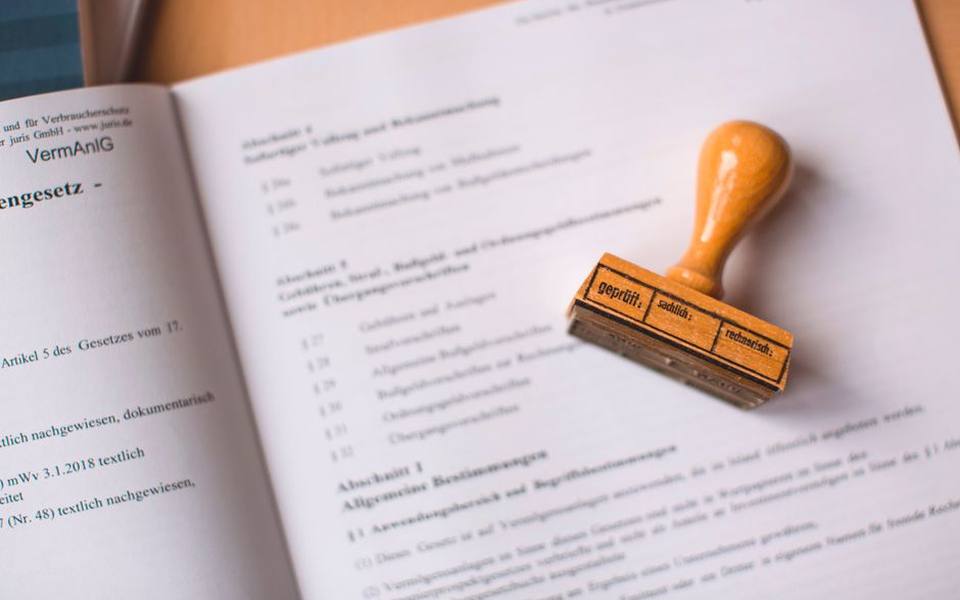
Similarly, individuals handling cross-border paperwork often benefit from working with Spanish-speaking notaries or other bilingual legal support providers. While a notary cannot draft legal documents or translate substantive contract terms unless they are also qualified legal counsel or certified linguists, bilingual notaries can communicate statutory notary acknowledgments directly to signers in their native language. This direct communication guarantees clear comprehension and prevents procedural confusion during document signing ceremonies.
State regulations regarding remote notarization and foreign-language document execution vary significantly across the country. In most states, the notary certificate itself must be completed in the English language, even if the underlying substantive document is written in a foreign language. Understanding these jurisdiction-specific distinctions prevents administrative delays when the notarized translation package is subsequently presented to state apostille bureaus or federal authentications offices for formal legalization.
Avoiding Costly Document Rejections and Delays
Preventing administrative delays requires proactive planning and a clear understanding of document hierarchies. One frequent mistake is submitting a shortened abstract or informational hospital souvenir rather than an official, long-form certified copy issued by the vital statistics archive. Consulates, state authentication bureaus, and foreign registries routinely reject informational extracts because they lack the comprehensive parental and municipal data required for legal verification.
Another critical error involves detaching or modifying multi-page legalization packets after they have been processed by state or federal agencies. Authentication offices frequently bind documents using brass eyelets, grommets, decorative ribbons, or specialty corner clips. If an applicant removes staples or breaks seals to scan individual pages, the entire legalization packet is immediately rendered void, requiring a complete re-issuance and fresh authentication fees.
Finally, ensure that the sequence of execution follows the required administrative timeline. Translations and translator affidavits should always be executed after obtaining the final certified copy of the source document, ensuring that registration numbers and archive issuance dates correspond perfectly. Allocating adequate lead time—typically several weeks to a few months depending on agency workloads—protects your international relocation, marriage, or commercial transactions from disruptive postponements.
Published 2026-09-20 · reviewed with each rebuild, last September 2026.
Find notaries near you
The directory lists 5,516 notaries by state and city — pick your state or use the “Near me” button in the header.
More guides
-
 Service
A Practical Guide to Power of Attorney: What It Means, Typical Costs, and Proper Execution
-
 Service
Where and How to Get Fingerprinted for an FBI Background Check
-
 Owning
Understanding Real Estate Deeds: Transfer on Death, Deed of Trust, and Mortgages
-
 Service
What Is an Apostille? How to Get Birth Certificates and Documents Apostilled
-
 Service
Do Banks Notarize Documents? Free Branch Options, Notary Fees, and Licensing Guide
-
 Owning
Essential Legal Documents: Bills of Sale, Estate Affidavits, and Corporate Records
-
 Money
MoneyHow Much Does a Notary Cost? Standard Fees, Travel Rates, and Extra Charges Explained
-
 Owning
Which Documents Need to Be Notarized? Leases, Notes, and Directives Explained
-
 Buying
Complete Bill of Sale Guide: Vehicle, Boat, and General Templates
-
 Service
Form I-9 Employment Eligibility Verification: Acceptable Documents and Rules
-
 Service
LLC Formation Documents, Residence Proof Affidavits, and Legal Verification
-
 Owning
How to Become a Notary Public: Supplies, Stamps, Training, and E&O Insurance
-
 Service
Fingerprinting and Live Scan Background Checks: Methods, Locations, and Cards
-
 Service
A Consumer Guide to Notary Public Services and Remote Online Notarization
-
 Service
Estate Planning Essentials: Wills, Codicils, and Healthcare Power of Attorney
-
 Buying
Vehicle Bill of Sale and Title Transfer Notarization Guide
-
 Service
Live Scan Fingerprinting and FBI Background Check Services Guide
-
 Service
Form I-9 Employment Verification and Identity Proofing Guide
-
 Service
Notary Training, Commissioning, Bonding, and E&O Insurance Guide
-
 Owning
A Complete Guide to Power of Attorney: Types, Forms, and Execution
-
 Money
MoneyHome Refinance and Cash-Out Mortgage Guide: Loan Closing, Rates, and Calculations
-
 Buying
Vehicle Title Transfer and Bill of Sale Guide: DMV Process, Forms, and Notarization
-
 Owning
Estate Planning and Real Estate Document Guide: Wills, Deeds, and Affidavits
-
 Owning
Articles of Incorporation and Corporate Filing Guide: LLCs, Nonprofits, and Bylaws
-
 Buying
Essential Notary Supplies Guide: Stamps, Embossing Seals, Journals, and Scanners
-
 Service
Remote Online Notarization and Mobile Notary Services Guide: How It Works and Costs
-
 Safety
Minor Travel Consent and Passport Documentation Guide: Forms, Rules, and Notarization
-
 Service
International Document Apostille, USCIS Translation, and Legalization Guide
-
 Money
MoneyProperty Tax Appeal and Protest Guide: Process, Filing Forms, and Representation
-
 Buying
Motor Vehicle Bills of Sale and Title Transfers: A Complete Guide
-
 Money
MoneyA Practical Guide to 401(k) Hardship Withdrawals and Emergency Access
-
 Owning
Heavy-Duty Fasteners, Scanners, and Document Handling Equipment for Notaries
-
 Service
Live Scan Fingerprinting, Background Checks, and Identity Verification: A Complete Practical Guide
-
 Service
Notary Public Training, Essential Supplies, and Digital Workflow Guide
-
 Owning
Corporate Formation and Governance: Articles of Incorporation and Board Minutes
-
 Buying
Vehicle Bill of Sale and Title Transfer Notarization Guide
-
 Service
A Practical Guide to Affidavits, Proof of Residency, and Identity Declarations
-
 Money
MoneyMortgage Cash-Out Refinancing: Equity Rules, Liens, and Closing Procedures
-
 Service
A Practical Guide to Fingerprinting Services, LiveScan, and Identity Verification