What an FBI Background Check Covers and Why You Need One
An FBI Identity History Summary, commonly known as an FBI background check, compiles information gathered from federal, state, and local law enforcement agencies across the United States. When an official search is initiated, the Criminal Justice Information Services division scans its national fingerprint database to match your biometrics against historical records. This report reveals serious criminal history entries, including arrests, pending federal charges, felony dispositions, warrants, and convictions, as well as military court-martial proceedings and naturalization or immigration biometrics.
Private employers, state licensing boards, adoption agencies, and foreign governments frequently ask individuals to provide this specific document. Unlike basic private consumer screening checks that pull data from county courthouse record caches, a federal biometric review uses ten-print matching to prevent misidentification from shared names or forged identities. If your record has no prior entries, the bureau issues an official response confirming that no prior arrest data or criminal activity was discovered under your submitted prints.
Understanding what the summary contains helps you anticipate any extra steps before moving forward. Minor non-criminal traffic infractions typically do not appear unless an active warrant was issued or fingerprints were booked into the national database. Conversely, unsealed juvenile adjudications or dismissed charges might still appear depending on how your local jurisdiction submitted its initial arrest paperwork, which is why reviewing your personal federal file beforehand is helpful.
Digital Live Scan Versus Traditional Ink Fingerprint Cards
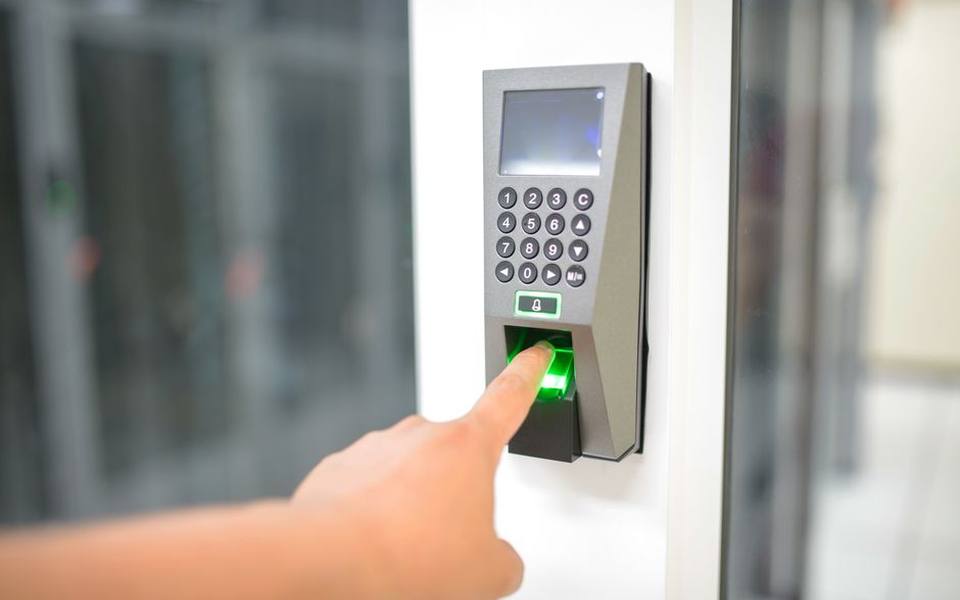
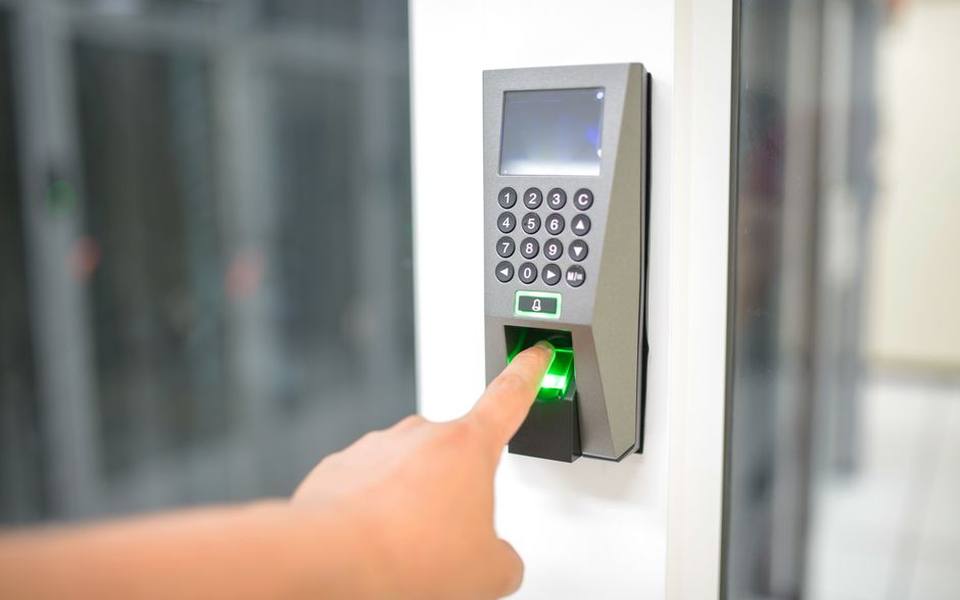
Biometrics for federal background checks are collected using either digital optical scanners, known as Live Scan, or traditional ink rolled onto standard FD-258 paper cards. Live Scan technology captures your finger ridges electronically and runs real-time diagnostic checks on ridge detail and clarity. If a capture looks too faint or smudged, the technician can immediately wipe the glass prism and rescan the finger, drastically lowering the rejection rates commonly caused by low-quality prints.
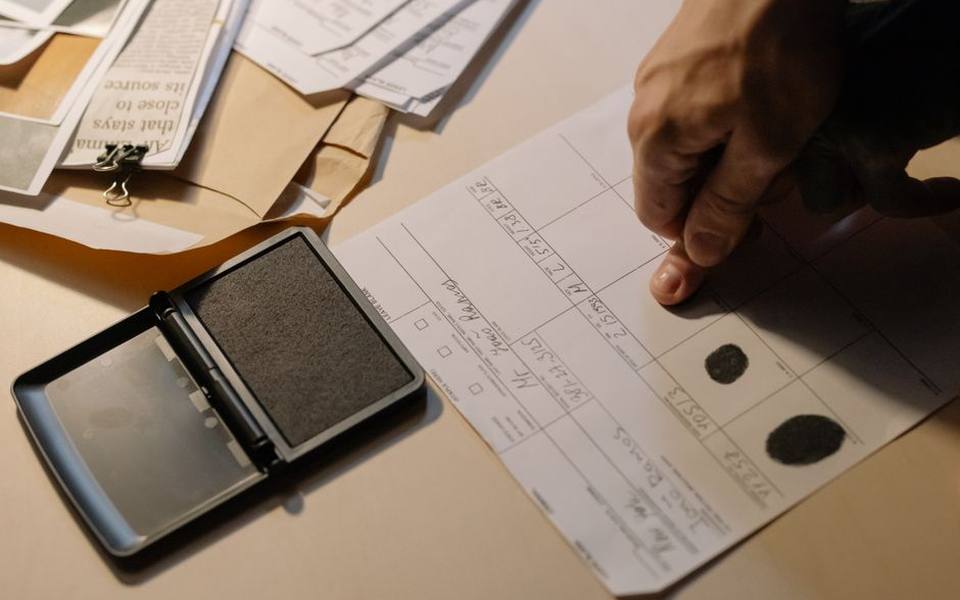
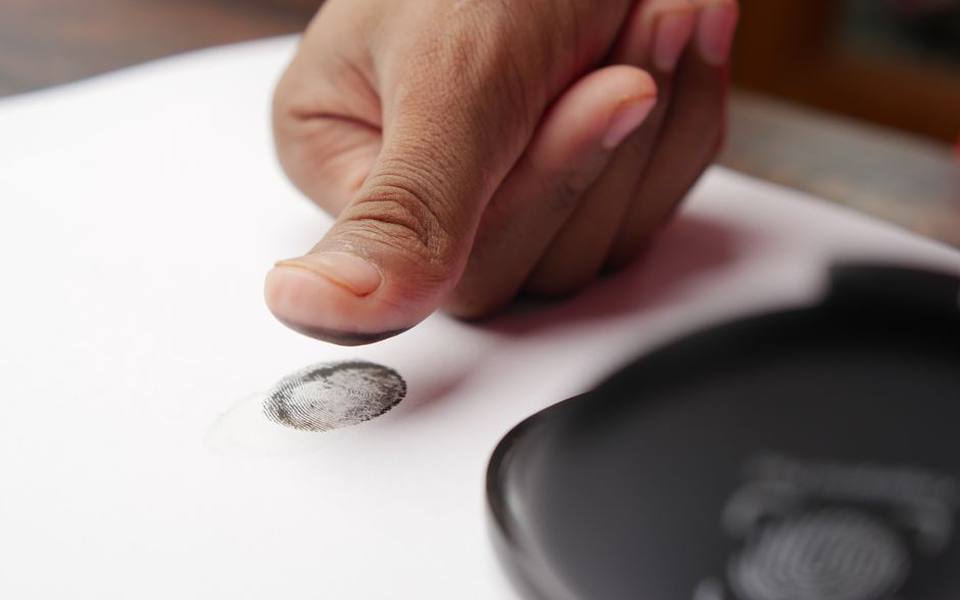
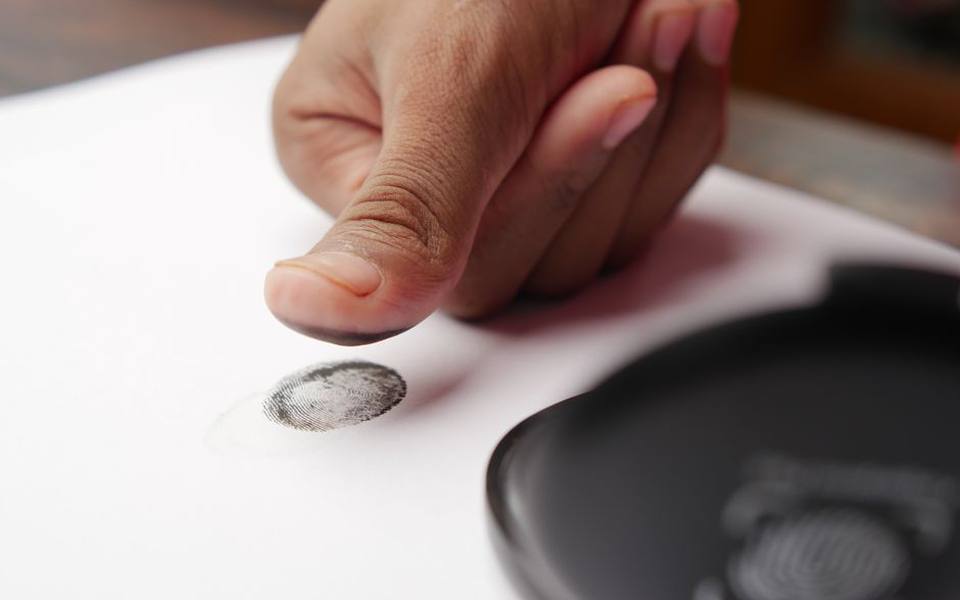
Traditional ink fingerprinting remains necessary in several situations, particularly if you are applying from outside the country, living in a rural municipality, or submitting your application directly by mail to federal agencies. Ink capture involves pressing each finger onto an ink slab and rolling it across the designated boxes of an official blue-and-white cardstock form. While standard ink prints take slightly longer to dry and package, they remain widely recognized by federal departments when digital transmission is not an option.
Deciding between the two methods generally depends on your deadline and the submission pathway you select. Digital submissions processed through approved network connections yield electronic results in a fraction of the time required for postal handling. However, certain state licensing applications or specialized foreign visa petitions still mandate physical hard-copy cards, so you must always verify the recipient agency's explicit format preferences before scheduling your technician.
Where to Find Fingerprinting Services in Your Area
Finding an authorized location to capture your fingerprints is relatively straightforward once you know which municipal and commercial facilities provide the service. Many local police departments and county sheriff offices maintain public fingerprinting hours for civil background checks, although some law enforcement stations now require appointments or restrict access strictly to town residents. Calling your local precinct administrative desk is the most reliable way to confirm public availability, hours, and accepted payment types.
Private commercial fingerprinting vendors, authorized identity screening locations, and parcel shipping annexes also offer walk-in or scheduled appointments for the public. These retail screening sites often have extended evening and weekend hours that accommodate working schedules better than municipal municipal desks. If you cannot travel due to medical concerns or tight business schedules, licensed mobile operators can travel directly to your home or workplace to roll your prints on site.
When time is constrained or you need paperwork certified outside standard business hours, reaching out to After-Hours Mobile Notaries who hold fingerprint certifications provides a flexible way to complete your documentation. Regardless of which physical venue you choose, verify in advance whether the facility supplies the standard FD-258 cards or if you must print them on heavy cardstock and bring them to your session.
The Step-by-Step Submission Process for an FBI Check
To obtain your personal summary directly, the most common route begins on the official federal online portal. You start by registering your personal information, paying the federal fee electronically, and receiving an email confirmation containing an application tracking number and payment barcode. Once registered, you take that confirmation barcode to an authorized post office location or private digital capture site, where an attendant scans your biometrics and transmits the data directly to the bureau's system.
An alternative route involves working with private screening companies known as FBI-approved channelers. These contracted entities operate secure digital data pipelines that collect your fingerprints and submit them into the federal processing queue on your behalf. Channelers simplify the process and often deliver results faster, though they charge their own service fee on top of the federal government charge, and they typically only serve United States citizens or legal permanent residents.
If you opt for a traditional paper filing, you must download and complete the federal applicant information form, get your prints rolled onto an FD-258 card, and mail the package alongside your payment voucher to the processing facility in West Virginia. Paper submissions take considerably longer because postal transit and manual envelope sorting add administrative delays before a technician can manually inspect and scan your card into the digital system.
Expected Processing Timelines and Delivery Methods
The turnaround time for an Identity History Summary varies substantially depending on whether you submit your biometrics electronically or via standard postal mail. When you register online and visit a participating digital post office or commercial channeler, processing typically wraps up within minutes to a few days. Once processed, you receive an automated notification allowing you to download a secure, tamper-evident digital copy directly to your computer.

Submitting physical ink cards through the mail requires far more patience. From the day your packet leaves your mailbox, transit, intake logging, manual technician review, and return postage can stretch the timeline to several weeks or even a couple of months during peak seasonal volumes. If an ink card suffers from light ridge definition or smudges, the agency may reject the card weeks after receipt, forcing you to begin the process again from scratch.
To protect against unexpected delays, always track your postal shipments if mailing physical cards, and complete biometric appointments well before professional or academic deadlines. In situations where an overseas institution or employer demands an official sealed physical response from the bureau, electronic applicants can usually request that a physical paper certificate be printed and mailed in addition to the initial digital PDF notification.
Understanding the Costs of Fingerprinting and Clearance
The total expenditure required to finish your background check consists of two distinct components: the federal processing fee and the local technician capture fee. The federal government fee to process an Identity History Summary request is typically around eighteen dollars per individual. This federal fee covers the database query, data verification, and generation of the official clearance response document, whether delivered electronically or on standard watermarked paper.
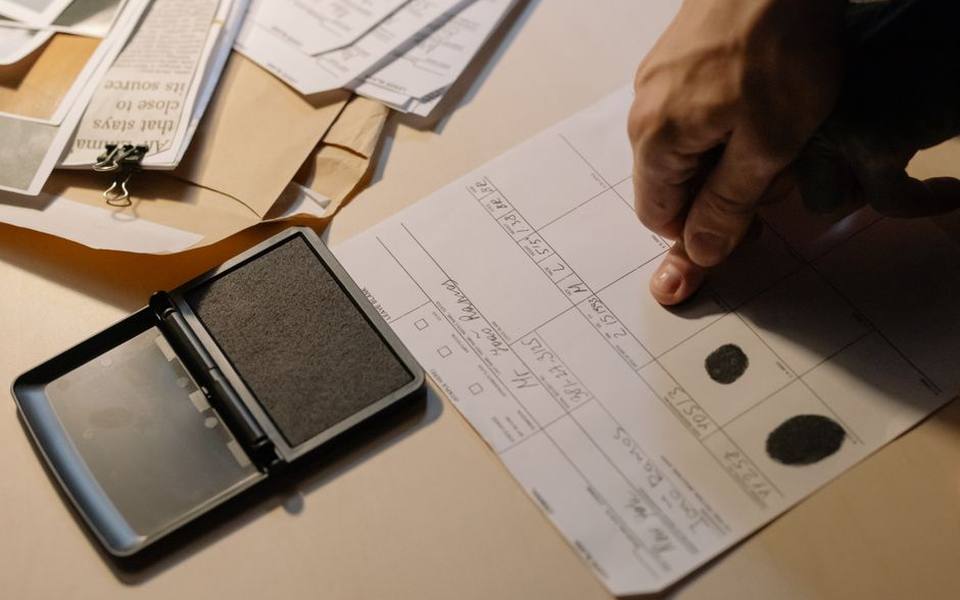
Technician rolling charges, on the other hand, depend on where you live and which vendor you choose. Local police departments or sheriff offices in most states typically charge between ten and thirty dollars to roll prints, while private retail fingerprinting centers may charge anywhere from twenty to fifty dollars for biometric collection. If you use a certified private channeler to speed up submission, expect an additional administrative convenience surcharge that ranges according to their service tier.
Mobile fingerprinting specialists usually add a travel fee based on mileage and timing, which covers the convenience of bringing specialized equipment directly to your living room or office. When budgeting for your background verification, prepare to spend between forty and eighty dollars in total across both administrative stages for an electronic submission, or slightly less if your local municipality offers low-cost public fingerprinting desks.
Preparing Identification and Avoiding Technical Rejections
Arriving prepared at your appointment ensures your prints are captured accurately and submitted without administrative snags. You must present valid, unexpired government-issued photo identification, such as a state driver's license, federal passport, military identity card, or permanent resident card. The full legal name entered on your background check registration must match the identity documentation exactly, including any generational suffixes or middle names.
Physical preparation of your hands is equally critical for capturing clear ridge detail. Avoid rough manual labor, harsh cleaning chemicals, or heavy exfoliants for forty-eight hours before your appointment, as abrasions can obscure fingerprint whorls. If your hands tend to be unusually dry, apply a moderate amount of standard moisturizing lotion an hour before arriving, but avoid oily lotions immediately prior to pressing fingers against the optical glass plate.
Technicians follow strict standards when capturing your biometric prints, which require both rolled impressions from nail-edge to nail-edge and flat simultaneous four-finger slaps. If an individual finger has suffered an injury, amputation, or chronic skin condition that prevents capture, the technician must enter standard notation codes in the corresponding box to keep the federal system from returning an automated incomplete rejection.
Can a Notary Public Notarize Documents for Family Members?
People preparing background check packages or related identity affidavits frequently ask whether a relative who holds a notary commission can notarize their paperwork. The short answer is that in most states, notaries are strictly discouraged or outright prohibited from notarizing documents for immediate family members, including spouses, parents, siblings, and children. A notary's foundational legal responsibility is to serve as an impartial, unbiased witness to an execution of a legal document.
When an officer notarizes for a close relative, the legal presumption of impartiality is immediately compromised. Even if a particular jurisdiction does not explicitly ban notarizing for distant relatives, doing so creates grounds for third parties to challenge the validity of the document later in court. If a notary stands to gain any direct financial benefit, inherit property, or receive legal rights from the underlying instrument, the notarization is invalid and constitutes official misconduct.
State regulations outline specific restrictions on familial notarizations. For instance, individuals working with Notaries in California must recognize that state law prohibits a notary from acting whenever they possess a direct financial or beneficial interest, which almost universally disqualifies spousal transactions. Similar strict boundaries exist across Florida, Texas, and New York, meaning that relying on an unrelated neutral professional is always the prudent choice.
Managing Conflict of Interest in Legal and Identity Paperwork
The risk of conflicts becomes especially high when notarizing personal identity declarations, background clearance affidavits, or estate instruments. If you sign an affidavit verifying your identity for a background check or employment clearance, having a relative stamp the jurat invites scrutiny from corporate compliance officers and background screening analysts. Regulators can reject the entire filing if they suspect the certifying officer lacked professional detachment from the signer.

When you need to execute sensitive authorizations, healthcare directives, or background documentation, hiring an unassociated third-party signing professional preserves the legal integrity of your file. Engaging independent specialists for Power of Attorney & Legal Paperwork Notaries ensures that every signature, oath, and acknowledgment satisfies statutory standards and withstands judicial scrutiny.
Technology has also simplified finding impartial professionals without requiring family members to step in during urgent moments. Using modern Remote Online Notaries (RON) allows you to connect via secure audiovisual links to a licensed, unrelated notary from anywhere, complete identity verification, and sign your affidavits digitally in minutes while preserving total compliance.
Authenticating Background Checks for International Use
If you are securing your background check to teach abroad, obtain a foreign work visa, pursue dual citizenship, or finalize an international adoption, foreign authorities will not accept a standard domestic printout on its own. Foreign governments require that federal background summaries receive an apostille or consular legalization to certify the authenticity of the federal official's signature and seal appearing on the document.
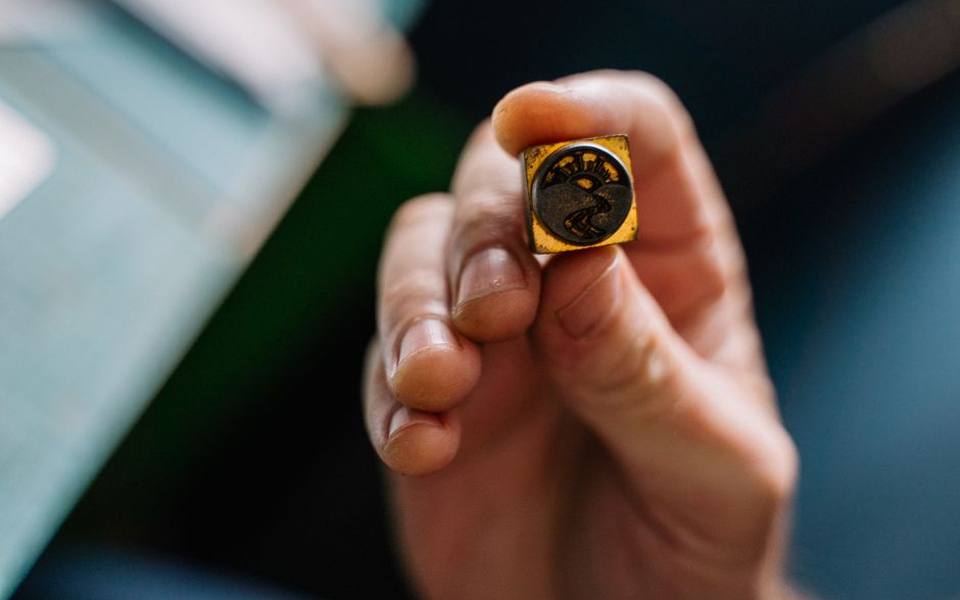
Because an FBI background summary is a federal government record rather than a state-issued certificate, it cannot be apostilled at the local secretary of state level. Instead, the document must be submitted directly to the United States Department of State Authentications Office in Washington, D.C. This federal office checks the official signature on your summary and affixes the federal apostille certificate recognized by member nations of the Hague Apostille Convention.
Managing federal authentication requires meticulous attention to submission formats, processing queues, and courier requirements. Consulting experienced professionals through Apostille Notary Services helps you navigate the multi-step federal channel, avoid administrative delays, and ensure your identity documents meet the strict legal requirements of your destination country.
Published 2026-09-20 · reviewed with each rebuild, last September 2026.
Find notaries near you
The directory lists 5,516 notaries by state and city — pick your state or use the “Near me” button in the header.
More guides
-
 Service
A Practical Guide to Power of Attorney: What It Means, Typical Costs, and Proper Execution
-
 Owning
Understanding Real Estate Deeds: Transfer on Death, Deed of Trust, and Mortgages
-
 Service
What Is an Apostille? How to Get Birth Certificates and Documents Apostilled
-
 Service
Do Banks Notarize Documents? Free Branch Options, Notary Fees, and Licensing Guide
-
 Owning
Essential Legal Documents: Bills of Sale, Estate Affidavits, and Corporate Records
-
 Money
MoneyHow Much Does a Notary Cost? Standard Fees, Travel Rates, and Extra Charges Explained
-
 Owning
Which Documents Need to Be Notarized? Leases, Notes, and Directives Explained
-
 Buying
Complete Bill of Sale Guide: Vehicle, Boat, and General Templates
-
 Service
Form I-9 Employment Eligibility Verification: Acceptable Documents and Rules
-
 Service
LLC Formation Documents, Residence Proof Affidavits, and Legal Verification
-
 Owning
How to Become a Notary Public: Supplies, Stamps, Training, and E&O Insurance
-
 Service
Fingerprinting and Live Scan Background Checks: Methods, Locations, and Cards
-
 Service
A Consumer Guide to Notary Public Services and Remote Online Notarization
-
 Service
Estate Planning Essentials: Wills, Codicils, and Healthcare Power of Attorney
-
 Buying
Vehicle Bill of Sale and Title Transfer Notarization Guide
-
 Service
Live Scan Fingerprinting and FBI Background Check Services Guide
-
 Service
Form I-9 Employment Verification and Identity Proofing Guide
-
 Service
Notary Training, Commissioning, Bonding, and E&O Insurance Guide
-
 Owning
A Complete Guide to Power of Attorney: Types, Forms, and Execution
-
 Money
MoneyHome Refinance and Cash-Out Mortgage Guide: Loan Closing, Rates, and Calculations
-
 Buying
Vehicle Title Transfer and Bill of Sale Guide: DMV Process, Forms, and Notarization
-
 Owning
Estate Planning and Real Estate Document Guide: Wills, Deeds, and Affidavits
-
 Owning
Articles of Incorporation and Corporate Filing Guide: LLCs, Nonprofits, and Bylaws
-
 Buying
Essential Notary Supplies Guide: Stamps, Embossing Seals, Journals, and Scanners
-
 Service
Remote Online Notarization and Mobile Notary Services Guide: How It Works and Costs
-
 Safety
Minor Travel Consent and Passport Documentation Guide: Forms, Rules, and Notarization
-
 Service
International Document Apostille, USCIS Translation, and Legalization Guide
-
 Money
MoneyProperty Tax Appeal and Protest Guide: Process, Filing Forms, and Representation
-
 Buying
Motor Vehicle Bills of Sale and Title Transfers: A Complete Guide
-
 Money
MoneyA Practical Guide to 401(k) Hardship Withdrawals and Emergency Access
-
 Owning
Heavy-Duty Fasteners, Scanners, and Document Handling Equipment for Notaries
-
 Service
Live Scan Fingerprinting, Background Checks, and Identity Verification: A Complete Practical Guide
-
 Service
Notary Public Training, Essential Supplies, and Digital Workflow Guide
-
 Owning
Corporate Formation and Governance: Articles of Incorporation and Board Minutes
-
 Buying
Vehicle Bill of Sale and Title Transfer Notarization Guide
-
 Service
A Practical Guide to Affidavits, Proof of Residency, and Identity Declarations
-
 Money
MoneyMortgage Cash-Out Refinancing: Equity Rules, Liens, and Closing Procedures
-
 Service
Certified Translation Services and State Department Legalization
-
 Service
A Practical Guide to Fingerprinting Services, LiveScan, and Identity Verification