The Purpose and Legal Weight of Corporate Articles
Filing founding documentation marks the official transition from an informal business concept to an independent legal entity recognized by state authorities. The primary instrument that establishes this legal boundary is known across most jurisdictions as the corporation articles of incorporation, though some states refer to it as a certificate of incorporation or corporate charter. Regardless of local naming differences, this public filing formally separates corporate assets, debts, and responsibilities from the personal property of shareholders and company founders.
Without properly prepared articles for corporation filings, business owners risk operating as an unintentional general partnership or sole proprietorship. This lack of clear legal structure exposes personal bank accounts, real estate, and personal belongings to commercial lawsuits, contract breaches, and vendor liabilities. State filing fees and review procedures depend on the jurisdiction where the business organizes, but registering the charter is an unavoidable first legal requirement for securing limited liability protection under state statutes.
Beyond liability protection, a registered charter serves as primary evidence when interacting with commercial banks, municipal regulators, and potential investors. Lenders routinely verify these public documents prior to opening corporate deposit accounts, extending commercial credit lines, or authorizing commercial real estate leases. Ensuring your public charter is drafted accurately from day one prevents costly amendments and statutory refilings down the road.
Dissecting the Core Elements in an Articles Template
When business founders examine an articles of incorporation template, they usually find a standardized skeleton designed to satisfy minimum statutory disclosure thresholds. A reliable articles of corporation sample outlines the registered legal entity name, a clear commercial purpose clause, the initial street location of the principal office, and the identity of the designated registered agent authorized to receive service of process. Every state mandates that the official corporate name includes a corporate designator such as Corporation, Incorporated, Limited, or an approved abbreviation.
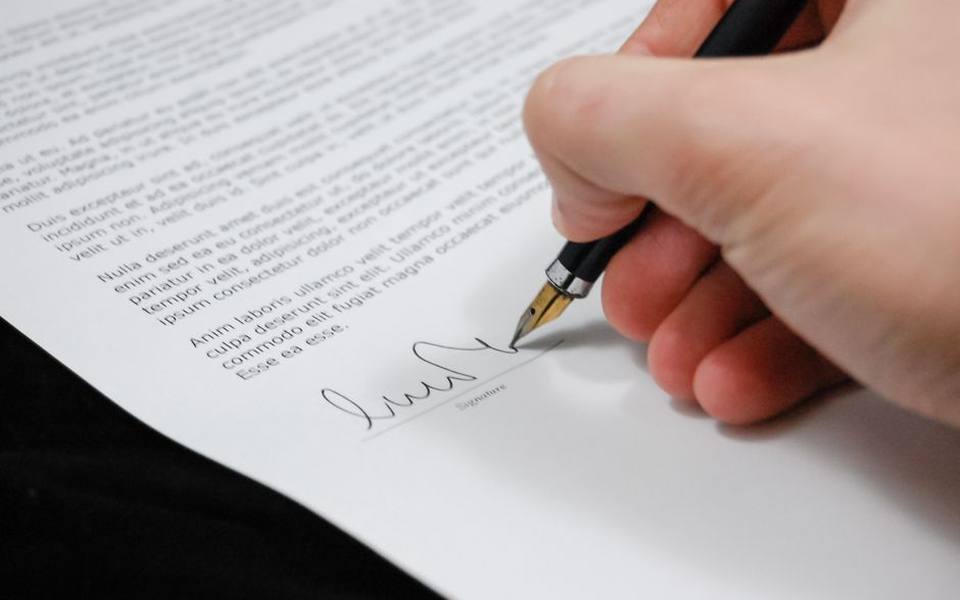
A critical section within any sample articles of corporation is the capitalization clause, which defines the total number and classes of authorized shares. Startup founders must indicate whether the corporation issues common shares, preferred shares, or multiple tiers with distinct voting powers and dividend preferences. While simple entities often authorize a single class of common stock with standard voting rights, failing to allocate sufficient authorized shares in initial filings will require board resolutions and shareholder amendments if new investors enter later.
Most states also require the names and mailing addresses of the initial incorporators—the individuals executing and submitting the charter to the state office. Once the state office processes the filing and assigns an official charter number, the powers of the incorporator typically transfer directly to the initial directors named in organizational documents. Keeping multiple certified physical and digital copies of this completed charter document in company archives ensures smooth organizational handoffs as leadership changes.
Founders navigating specialized corporate structures or complex equity allocations often consult corporate legal counsel before submitting their initial charter to avoid structural errors that are difficult to correct retroactively.
Comparing Corporate Charters with LLC Formation Documents
Entrepreneurs frequently confuse corporate founding filings with equivalent documents used by limited liability companies. Reviewing a sample articles of organization llc reveals structural distinctions compared to traditional corporate charters. Limited liability companies operate through a foundational filing typically titled Articles of Organization or Certificate of Formation, which focuses on whether the entity is managed directly by its equity members or by appointed professional managers.
In contrast, corporate charters are intrinsically bound to a rigid three-tier statutory governance hierarchy consisting of shareholders, a board of directors, and appointed corporate officers. An LLC operates with substantial statutory flexibility, governed primarily by a private operating agreement that customizes profit distributions and internal management rules. A corporation, however, is held to uniform statutory guidelines established by state business corporation acts, requiring standardized corporate bylaws and mandatory administrative oversight.
Because corporate structures require greater formal compliance, courts evaluate corporate legitimacy with higher scrutiny than that applied to informal partnerships. If a corporation fails to maintain structural separation, neglects mandatory meetings, or mingles company funds with individual bank accounts, courts can pierce the corporate veil. Understanding these structural obligations ensures founders choose the organizational vehicle best suited for their capitalization goals and regulatory willingness.
The Governance Mandate and Why Board Records Matter
The board of directors serves as the ultimate governing body of a corporation, tasked with steering strategic direction, protecting shareholder equity, and supervising corporate officers. To maintain the liability shield granted by the state, directors must routinely demonstrate that they act in accordance with fiduciary duties of care, loyalty, and good faith. Maintaining a systematic log of board of directors minutes provides objective legal proof that decisions resulted from deliberate discussion rather than casual negligence.
Corporate formalities require regular meetings to approve significant business milestones, including executive compensation, real estate leases, commercial borrowing, and mergers. These formal board of directors meeting minutes establish an immutable evidentiary audit trail during judicial inquiries, internal partner disputes, or audits conducted by revenue agencies. Without contemporaneous documentation, directors may find it difficult to demonstrate that a disputed transaction was conducted at arm's length.
Regulatory enforcement bodies, commercial auditors, and potential buyers during mergers and acquisitions prioritize the corporate minute book above almost all other internal records. A company with disorganized or missing records faces delayed financing rounds, discounted enterprise valuations, or outright acquisition termination. Establishing disciplined recordkeeping habits from the organizational meeting protects the commercial value built across years of enterprise growth.
Capturing Board Meeting Notes in Real Time
Every official corporate record begins as informal board of directors meeting notes jotted down during the session by an appointed secretary or designated recorder. Capturing reliable board meeting notes demands active listening, an understanding of meeting parliamentary procedure, and a clear grasp of what constitutes substantive corporate action. The objective of raw note-taking is not to create a verbatim stenographic transcript, but rather to document the decision-making framework and definitive conclusions.

Effective note-taking tracks when the meeting convened, who attended in person or via remote conferencing, and whether a procedural quorum was established under company bylaws. As agenda items are introduced, the corporate secretary should capture the essence of presentations, major background information provided by management, and substantive inquiries raised by board members. Documenting that directors asked probing questions provides strong defensive evidence under the business judgment rule.
Raw meeting notes should be organized sequentially according to the pre-circulated meeting agenda to streamline eventual synthesis. Because informal jottings can become subject to legal discovery during business litigation, secretaries must avoid recording emotional editorializing, speculative opinions, or extraneous personal side comments. Converting these raw observations into formal drafts promptly after adjournment ensures critical details remain accurate and fresh in memory.
Drafting Defensible Board Meeting Minutes
Transforming preliminary scratch notes into formal board meeting minutes requires a consistent, structured template that adheres to corporate bylaws and legal conventions. Defensible bod meeting minutes typically begin with standardized introductory metadata: the corporation's full legal name, the meeting date, location, start time, and whether the assembly is an annual, regular, or special emergency session. The record must clearly differentiate between directors present, absent directors, and invited corporate staff or guest legal advisors.

The substantive core of corporate minutes revolves around resolutions—the specific formal decisions enacted by the governing body. When an actionable motion arises, the secretary records the exact wording of the resolution, the names of the proposing and seconding directors, and the final voting outcome. While many corporate bodies use concise summaries indicating whether a motion carried unanimously, contested measures require precise documentation of yeas, nays, and formal abstentions.
Executive summaries in minutes should articulate that the directors reviewed relevant background documentation, such as quarterly financial statements, engineering appraisals, or legal memoranda, before voting. Once the draft is prepared, company bylaws generally dictate that the draft be circulated to all directors for corrections prior to the next scheduled assembly. Final approval occurs by a vote at the subsequent meeting, after which the corporate secretary executes the document.
Addressing Dissent, Recusals, and Conflicts of Interest
Proper documentation becomes especially vital when individual directors hold conflicting personal interests or disagree strongly with an approved corporate measure. When reviewing board member meeting minutes, courts examine whether interested directors disclosed their material conflicts and properly recused themselves from discussions. If a director has an equity stake in an external vendor competing for a corporate contract, the record must explicitly state the conflict disclosure and note the director's departure from the room during voting.
Similarly, individual directors who believe a proposed resolution exposes the company to unacceptable legal peril or regulatory non-compliance must ensure their dissent is memorialized. Silence during a vote is routinely interpreted as consent under prevailing corporate statutes. An objecting board member should expressly request that their dissenting vote be entered into the permanent record to shield themselves from joint personal liability if the approved corporate action triggers investor lawsuits.
The corporate secretary bears the responsibility of maintaining neutrality while recording contentious debates. The resulting document should neutrally state the differing legal or commercial perspectives without emotional language or subjective bias. Accurate, balanced recordings protect both majority directors and minority dissenters by establishing a transparent factual history of why competing decisions were evaluated and decided.
Execution, Attestation, and Corporate Notarization
After board minutes are formally adopted by the governing body, they must be signed and certified by the corporate secretary or an assistant secretary. In routine internal operations, an ink signature or compliant corporate digital signature suffices for corporate records. However, when minutes or corporate resolutions are submitted to third parties—such as commercial real estate title companies, out-of-state licensing bodies, or enterprise financiers—external parties often require formal attestation.
Certain high-stakes transactions require the corporate secretary to execute an Incumbency Certificate or an Attested Board Resolution before an authorized official. When dealing with specialized legal filings or lender underwriting packets, executives frequently utilize power of attorney and legal paperwork notarization to authenticate the identity of executing corporate officers. A notary confirms that the officer appearing before them is the individual designated to bind the enterprise.
For geographically dispersed directorates or urgent commercial closings, physical office appointments can create unnecessary operational delays. Modern corporate governance increasingly relies on remote online notarization to notarize corporate certificates, secretary attestations, and authorizing resolutions over secure, tamper-evident digital platforms. Utilizing remote authentication ensures time-sensitive corporate transactions proceed smoothly without compromising legal enforceability across state boundaries.
Organizing the Corporate Book and International Filings
A corporation's governance records must be compiled methodically within an official corporate minute book, either in an indexed physical binder or a secure, access-controlled digital archive. This centralized repository should hold the filed articles of incorporation, official state acceptance certificates, bylaws, stock transfer ledgers, written committee consents, and all executed minutes in chronological order. Keeping these corporate documents unified guarantees that company management can satisfy state compliance audits or lender discovery requests without frantic delays.

When expanding business operations abroad or establishing foreign subsidiaries, international authorities demand verified evidence of corporate good standing and officer authority. Foreign corporate registries do not automatically accept domestic state filings without certified authentication through specialized state channels. In these cross-border expansion scenarios, securing an apostille service verifies the state seal on charter documents and certified resolutions for use in foreign nations participating in international treaties.
Regular governance audits should be scheduled annually to confirm that all corporate documentation remains complete and compliant with state reporting rules. Company secretaries should verify that annual franchise tax filings, registered agent updates, and annual director election minutes match state database entries. Maintaining comprehensive administrative alignment preserves your corporate good standing and keeps the company prepared for investment due diligence at any moment.
Resolving Historic Gaps and Defective Recordkeeping
Many growing private enterprises discover months or even years into operation that their corporate minute book is substantially incomplete. Fast-paced commercial growth often leads founders to execute contracts, issue equity, or open bank accounts without maintaining concurrent board minutes. When gaps are uncovered prior to bank financing or tax audits, officers must resist the urge to improperly backdate minutes to fabricate the appearance of past meetings.
Fabricating dates or retroactively executing board documents as if they occurred years earlier can expose directors to civil fraud charges and nullify corporate protections. The legally recognized method for curing historic documentation deficiencies is through formal board ratifications or comprehensive Unanimous Written Consents in Lieu of a Meeting. Under most state corporate statutes, current directors can formally acknowledge that past corporate actions occurred, review the commercial circumstances, and retroactively ratify those prior decisions.
When drafting remedial ratifications, the resolution should explicitly state the current date of adoption while detailing the historic business actions being confirmed. This honest, transparent documentation strategy repairs historical gaps in the record without misleading lenders, courts, or regulatory agencies. Addressing administrative oversights methodically restores corporate governance integrity and protects the liability veil for all future business endeavors.
Published 2026-09-20 · reviewed with each rebuild, last September 2026.
Find notaries near you
The directory lists 5,516 notaries by state and city — pick your state or use the “Near me” button in the header.
More guides
-
 Service
A Practical Guide to Power of Attorney: What It Means, Typical Costs, and Proper Execution
-
 Service
Where and How to Get Fingerprinted for an FBI Background Check
-
 Owning
Understanding Real Estate Deeds: Transfer on Death, Deed of Trust, and Mortgages
-
 Service
What Is an Apostille? How to Get Birth Certificates and Documents Apostilled
-
 Service
Do Banks Notarize Documents? Free Branch Options, Notary Fees, and Licensing Guide
-
 Owning
Essential Legal Documents: Bills of Sale, Estate Affidavits, and Corporate Records
-
 Money
MoneyHow Much Does a Notary Cost? Standard Fees, Travel Rates, and Extra Charges Explained
-
 Owning
Which Documents Need to Be Notarized? Leases, Notes, and Directives Explained
-
 Buying
Complete Bill of Sale Guide: Vehicle, Boat, and General Templates
-
 Service
Form I-9 Employment Eligibility Verification: Acceptable Documents and Rules
-
 Service
LLC Formation Documents, Residence Proof Affidavits, and Legal Verification
-
 Owning
How to Become a Notary Public: Supplies, Stamps, Training, and E&O Insurance
-
 Service
Fingerprinting and Live Scan Background Checks: Methods, Locations, and Cards
-
 Service
A Consumer Guide to Notary Public Services and Remote Online Notarization
-
 Service
Estate Planning Essentials: Wills, Codicils, and Healthcare Power of Attorney
-
 Buying
Vehicle Bill of Sale and Title Transfer Notarization Guide
-
 Service
Live Scan Fingerprinting and FBI Background Check Services Guide
-
 Service
Form I-9 Employment Verification and Identity Proofing Guide
-
 Service
Notary Training, Commissioning, Bonding, and E&O Insurance Guide
-
 Owning
A Complete Guide to Power of Attorney: Types, Forms, and Execution
-
 Money
MoneyHome Refinance and Cash-Out Mortgage Guide: Loan Closing, Rates, and Calculations
-
 Buying
Vehicle Title Transfer and Bill of Sale Guide: DMV Process, Forms, and Notarization
-
 Owning
Estate Planning and Real Estate Document Guide: Wills, Deeds, and Affidavits
-
 Owning
Articles of Incorporation and Corporate Filing Guide: LLCs, Nonprofits, and Bylaws
-
 Buying
Essential Notary Supplies Guide: Stamps, Embossing Seals, Journals, and Scanners
-
 Service
Remote Online Notarization and Mobile Notary Services Guide: How It Works and Costs
-
 Safety
Minor Travel Consent and Passport Documentation Guide: Forms, Rules, and Notarization
-
 Service
International Document Apostille, USCIS Translation, and Legalization Guide
-
 Money
MoneyProperty Tax Appeal and Protest Guide: Process, Filing Forms, and Representation
-
 Buying
Motor Vehicle Bills of Sale and Title Transfers: A Complete Guide
-
 Money
MoneyA Practical Guide to 401(k) Hardship Withdrawals and Emergency Access
-
 Owning
Heavy-Duty Fasteners, Scanners, and Document Handling Equipment for Notaries
-
 Service
Live Scan Fingerprinting, Background Checks, and Identity Verification: A Complete Practical Guide
-
 Service
Notary Public Training, Essential Supplies, and Digital Workflow Guide
-
 Buying
Vehicle Bill of Sale and Title Transfer Notarization Guide
-
 Service
A Practical Guide to Affidavits, Proof of Residency, and Identity Declarations
-
 Money
MoneyMortgage Cash-Out Refinancing: Equity Rules, Liens, and Closing Procedures
-
 Service
Certified Translation Services and State Department Legalization
-
 Service
A Practical Guide to Fingerprinting Services, LiveScan, and Identity Verification