How Fingerprint Background Screenings Work
A formal fingerprint check verifies your physical identity against state and federal records to confirm whether an arrest history or criminal record exists. Unlike a standard name-based background search, a biometric screening matches the unique friction ridges of your fingertips against recorded files. This prevents confusion caused by shared names, clerical typos, or stolen identity details, making it the preferred standard for state licensing boards, school districts, and financial institutions.
When an agency requests your prints, they provide an agency privacy code, an originating agency identifier, or an official application packet. These codes dictate where your biometric data travels once it is captured. The technician scans your fingers electronically or presses them onto card stock, tags the images with your demographic information, and routes the completed file into the designated government gateway.
Processing windows generally depend on whether your submission is routed electronically or submitted on physical paper cards. Electronic transmissions typically return results to the requesting employer within a few business days, whereas mailed cards may take several weeks. If you are coordinating legal filings across jurisdictions, working with an experienced professional through our directory of nationwide notaries can help you ensure accompanying affidavits and identity verifications are completed correctly before submission.
Understanding which agency requires your background report is the first step in choosing the right facility. Healthcare boards, real estate commissions, and childcare employers each maintain separate clearance guidelines. Arriving at a printing appointment without your agency billing number or specific transaction code frequently leads to rejected submissions and wasted processing fees.
LiveScan Technology Compared to Traditional Ink Cards
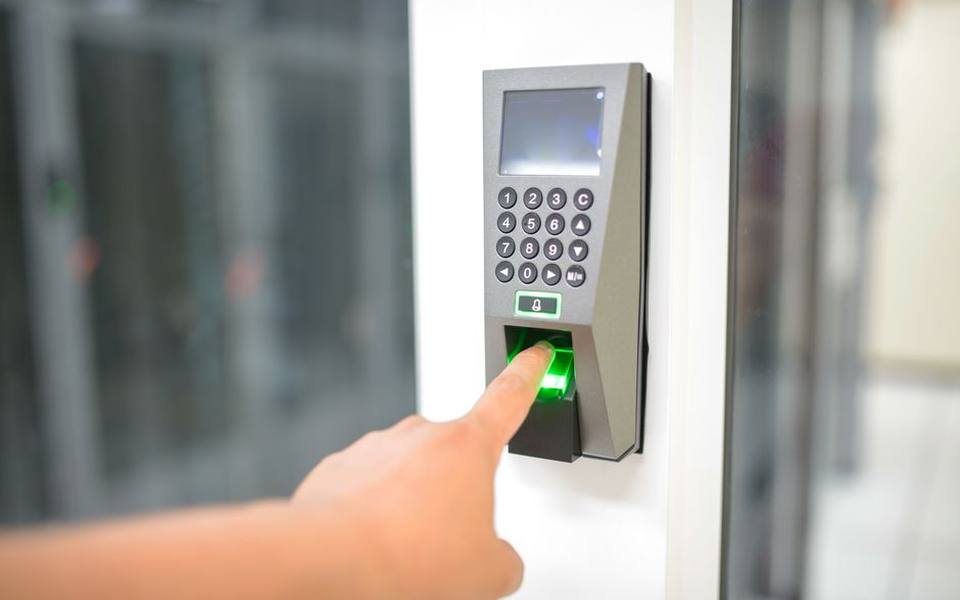
Modern background checks rely heavily on optical capture hardware rather than wet black ink. A certified LiveScan service provider uses a glass platen connected to a specialized computer terminal to capture digital images of your fingers, thumbs, and flat palm prints. The software evaluates the ridge detail in real time, alerting the technician if a print is smudged, improperly angled, or lacking sufficient resolution for automated government matching.
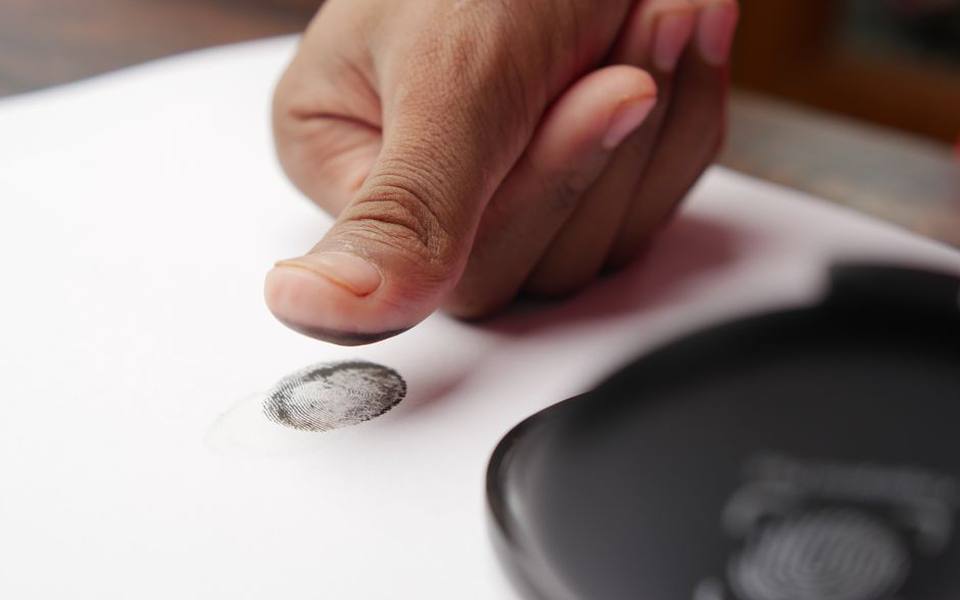
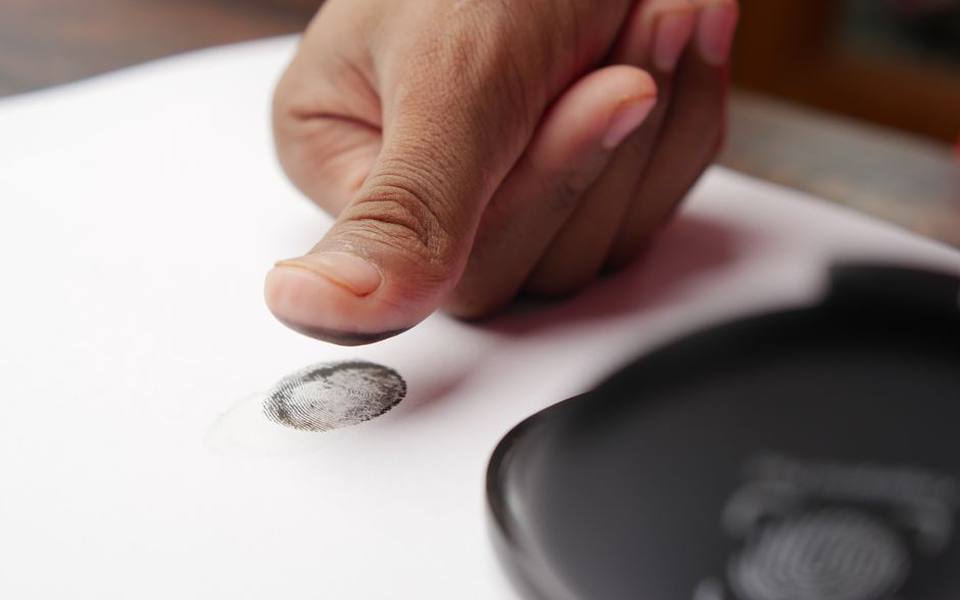
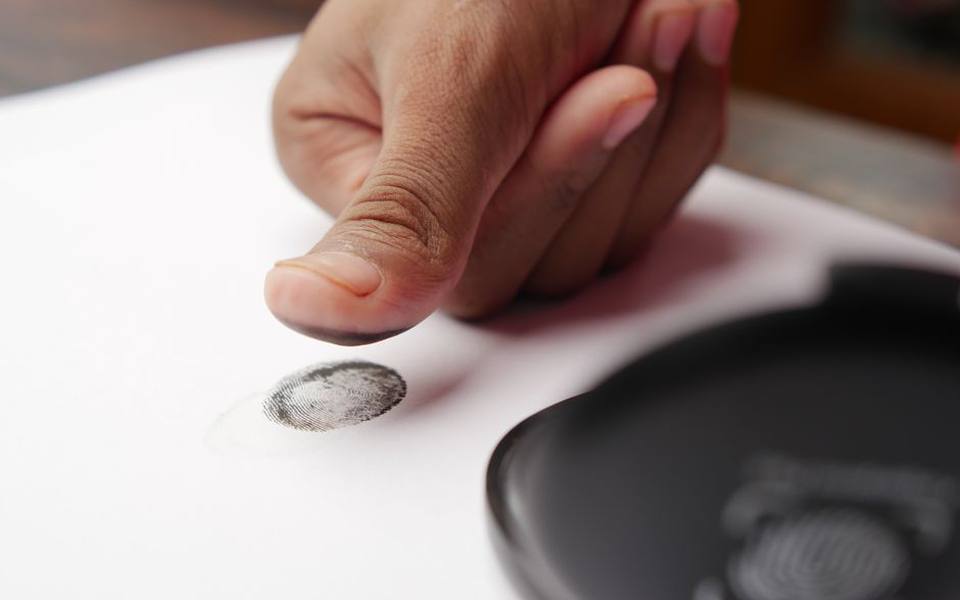
Traditional ink-and-roll methods, typically captured on blue-and-white standard FD-258 cards, remain necessary in many situations. If you are applying for an out-of-state professional license, submitting foreign immigration documents, or petitioning an agency that lacks a direct digital link, ink cards are often required. Ink capture demands careful technique, as excess pressure or uneven rolling can blur the deltas and whorls that automated identification computers need to read.
The primary advantage of electronic capture is the immediate feedback loop provided by certified software. If your skin is excessively dry or ridge patterns are faint, the program signals the operator to apply moisturizing lotions or adjust scanner contrast before finalizing the file. Conversely, physical ink cards must travel through postal mail to a processing bureau, meaning an illegible print can take weeks to be rejected and rescheduled.
Preparation helps improve the legibility of your friction ridges regardless of the capture method used. Hydrating your hands with lotion during the days leading up to your session reduces flaking and shallow ridge lines. Technicians recommend avoiding harsh alcohol sanitizers or chemical cleaning agents immediately before your appointment, as these dry the top layer of skin and make clear scanning difficult.
Arranging Services at a Local Police Station
Many citizens first consider visiting their municipal law enforcement agency when an employer requests official biometric cards. Securing an appointment for a fingerprint police department visit is a traditional route, particularly in smaller towns or rural counties where dedicated commercial identity centers are sparse. Municipal stations usually maintain standard FD-258 cards and have experienced officers or civilian records clerks trained in proper finger-rolling techniques.
Public walk-in availability at police stations has shifted considerably in recent years. In most cities, law enforcement agencies restrict civilian printing to designated hours or require advance appointments through an online portal. Some municipal departments prioritize criminal processing and local permits, meaning civilian employment printing can experience unexpected delays or sudden cancellations if the records division becomes tied up with departmental duties.
Administrative fees at local stations vary by town and state, typically ranging from nominal card processing charges to higher municipal record-handling fees. Stations often require exact cash or local checks and may ask for proof of local residency before agreeing to print non-criminal applicants. Confirming department policies ahead of time saves an unnecessary trip to the station lobby.
Commercial Enrollment Centers and Automated State Platforms
To alleviate the burden on law enforcement agencies, state governments partner with third-party biometric vendors to handle routine civil licensing. An authorized contractor enrollment location, such as a statewide IdentoGO service office, serves as a high-volume intake center for teachers, security guards, nurses, and concealed carry applicants. These centers specialize in capturing electronic data and transmitting it directly into state law enforcement channels.
Automated state networks streamline how applications are matched against regional databases. In Missouri, for example, the automated criminal history system known as MACHS coordinates with contracted enrollment portals to process civil background checks. Similar statewide platforms operate across the country, assigning applicants a unique tracking number during pre-enrollment so that background reports automatically link to the appropriate licensing board once prints are logged.
When scheduling through a centralized vendor, you must complete online pre-enrollment before showing up in person. During registration, you input personal identifying details, verify your residential history, and select your state-specific authorization code. Presenting your confirmation barcode alongside a non-expired government photo ID ensures the field technician loads your exact file without manual data-entry errors.
Regional Differences in State Processing Repositories
State fingerprinting procedures are not universally standardized, and regional legal structures dictate how biometrics are captured and submitted. When undergoing Carolina fingerprinting through North Carolina or South Carolina agencies, applicants encounter distinct state-level repositories. In North Carolina, civil prints are often handled by local sheriff departments transmitting to the State Bureau of Investigation, while South Carolina routes submissions through the Law Enforcement Division repository.
Residents across the Southeast often navigate overlapping state guidelines when their work crosses state borders. For example, certified professionals operating near state lines may need to consult notaries in South Carolina to verify identity affidavits alongside fingerprint packet requirements. Each regional bureau enforces specific rules regarding who may administer the rolling and how the submission cards must be postmarked.
Western states frequently operate closed electronic ecosystems. For instance, applicants handling licensing via notaries in California must use terminals configured specifically for the state Department of Justice network. A digital scan taken in one state cannot simply be routed electronically across state lines unless both state repositories participate in an interstate compact or federal clearinghouse.
Before scheduling an appointment, review the state agency instructions to verify whether your out-of-state prints must arrive on hard cards or if an authorized interstate network exists. Submitting an electronic transmission to the wrong state repository leads to immediate rejection, requiring you to repay processing fees and repeat the capture process.
Federal Submissions and the Central Criminal Repository
Civilian background checks for federal employment, foreign visas, adoption proceedings, and interstate commerce involve federal fingerprinting protocols that route directly to the Federal Bureau of Investigation. The Criminal Justice Information Services division manages the central FBI criminal database, formally known as the Next Generation Identification system, which holds hundreds of millions of civil and criminal biometric records.
When you request an Identity History Summary Check directly from federal authorities, you can submit an electronic file through an FBI-approved channeler or mail ink cards directly to the federal repository in West Virginia. Channelers provide expedited digital capture and fast delivery of your clearance summary, making them ideal for individuals preparing international travel documents or legal court petitions.
The federal repository cross-references your submitted ridges against arrest records, federal agency files, and military records from across all fifty states. If no matching record is found, the bureau issues an official response confirming the absence of a disqualifying federal criminal history. This federal report is often an essential prerequisite before an individual can receive security clearance or international work permits.
Because federal standards are strict, any card with torn edges, improper folding, or unreadable ridge patterns will be returned unprocessed. Card submissions must include full personal demographics, signed applicant certifications, and the signature of the technician who witnessed the rolling. Making sure every box on the FD-258 is filled out eliminates common procedural delays.
Firearm Transfers and Resolving Delayed Clearance Checks
Federal firearm background screenings rely on the National Instant Criminal Background Check System to ensure buyers are legally permitted to take possession of a firearm. Most retail transactions process in real time using demographic data, but if common names or unresolved state records create confusion, an initial response can be returned as delayed while examiners research court documents.
Consumers facing an extended delay often search for an FBI NICS phone number to resolve their transaction status quickly. However, federal telephone representatives cannot provide private case details, release status updates, or overturn delays over the phone due to strict federal privacy statutes. Inquiring through an FBI NICS check phone number connects you only to recorded informational trees that instruct applicants to use official online portals.
To resolve recurring delays or false identification matches, buyers can apply for a Unique Personal Identification Number through the Voluntary Appeal File program. This process requires submitting a verified fingerprint card to the federal database, allowing examiners to tie your clear biometric profile to your file permanently. Once issued, entering your assigned identifier on future purchase forms prevents mistaken identity holds.
If an appeal is necessary, working closely with your local licensed dealer and submitting high-clarity fingerprint cards ensures federal analysts can confirm your identity against state records. While the process requires patience, establishing a verified personal profile eliminates repetitive delays for individuals with common names.
Biometric Standards for High-Level Security Clearances
Applying for federal employment, intelligence positions, or defense contract roles involves detailed security clearance requirements that go well beyond routine civilian employment checks. Candidates completing standard federal personnel security questionnaires, such as the SF-86, must submit electronic biometrics formatted according to strict federal interagency technical specifications.
Federal clearance vetting searches both civil biometric holdings and intelligence databases for past legal issues, undisclosed foreign contacts, or adjudicative flags. Clearances at the Confidential, Secret, and Top Secret tiers require uncompromised biometric records to confirm that the person undergoing background investigations is precisely the person reporting for duty.
Security officers coordinate the capture of your biometrics through designated federal intake stations or approved mobile collection teams. If your prints fail system validation due to worn ridges or improper rolling, federal agencies may require a supervised re-roll at an authorized federal facility before formal vetting can proceed.
In addition to initial onboarding, periodic reinvestigations require updated biometric entries to maintain your clearance status. Keeping personal documentation organized and understanding how your electronic files are stored within federal databases helps smooth the transition between federal contracting projects.
Forensic Latent Prints Versus Biometric Capture
In the broader study of friction ridge identification, it is helpful to distinguish between administrative biometric scans and forensic evidence processing. In law enforcement and forensic investigations, crime scene specialists use cyanoacrylate fingerprints processing—commonly known as super glue fuming—to visualize hidden, latent prints left behind on smooth, non-porous surfaces such as glass, metal, or plastic.
During this forensic process, ethyl cyanoacrylate vapors circulate inside a humidified enclosure, reacting with amino acids, fatty acids, and moisture traces left by human finger ridges. The chemical reaction produces a durable, white polymer residue along the ridge patterns, allowing technicians to photograph and lift latent evidence that would otherwise remain invisible to the naked eye.
By contrast, civilian identity services and LiveScan terminals deal exclusively with direct friction ridge capture from live individuals. Understanding this distinction clarifies why civil background facilities do not utilize chemical fuming chambers; their equipment is designed solely to record clean, active finger patterns from cooperative applicants using optical light, infrared sensors, or printer ink.
Forensic processing techniques demonstrate how permanent and unique friction ridge patterns truly are across a person's lifespan. Even when latent evidence is recovered from challenging surfaces, forensic analysts compare those fumed images against the same federal and state criminal databases that civil enrollment centers connect with every day.
Coordinating Mobile Identity Verification and Notarization
Many transactions that require fingerprinting also require formal sworn statements, acknowledgments, or identity verifications. For corporate licensing, legal settlements, and professional certifications, clients often find it efficient to schedule mobile professionals who can verify identities, take fingerprints, and notarize affidavits during a single on-site visit.
When business schedules make visiting a public agency during standard hours difficult, scheduling after-hours mobile notaries ensures that urgent paperwork is signed, stamped, and prepared for processing without disrupting the workday. Mobile technicians carry portable ink-pad kits, standard cards, and required notarial journals directly to homes, corporate offices, or healthcare facilities.
International documents add another layer of procedural complexity. If you are preparing background cards or identity affidavits for use abroad, you may need an apostille notary service to certify the notarized documents for foreign government recognition under the Hague Convention. Ensuring both the notarial certificates and fingerprint attachments adhere to international standards prevents costly document rejections by overseas consulates.
Whether you are dealing with corporate board certifications, foreign legal paperwork, or licensing requirements, preparing your government identification, clean cards, and appointment details in advance ensures a swift, trouble-free verification process.
Published 2026-09-20 · reviewed with each rebuild, last September 2026.
Find notaries near you
The directory lists 5,516 notaries by state and city — pick your state or use the “Near me” button in the header.
More guides
-
 Service
A Practical Guide to Power of Attorney: What It Means, Typical Costs, and Proper Execution
-
 Service
Where and How to Get Fingerprinted for an FBI Background Check
-
 Owning
Understanding Real Estate Deeds: Transfer on Death, Deed of Trust, and Mortgages
-
 Service
What Is an Apostille? How to Get Birth Certificates and Documents Apostilled
-
 Service
Do Banks Notarize Documents? Free Branch Options, Notary Fees, and Licensing Guide
-
 Owning
Essential Legal Documents: Bills of Sale, Estate Affidavits, and Corporate Records
-
 Money
MoneyHow Much Does a Notary Cost? Standard Fees, Travel Rates, and Extra Charges Explained
-
 Owning
Which Documents Need to Be Notarized? Leases, Notes, and Directives Explained
-
 Buying
Complete Bill of Sale Guide: Vehicle, Boat, and General Templates
-
 Service
Form I-9 Employment Eligibility Verification: Acceptable Documents and Rules
-
 Service
LLC Formation Documents, Residence Proof Affidavits, and Legal Verification
-
 Owning
How to Become a Notary Public: Supplies, Stamps, Training, and E&O Insurance
-
 Service
Fingerprinting and Live Scan Background Checks: Methods, Locations, and Cards
-
 Service
A Consumer Guide to Notary Public Services and Remote Online Notarization
-
 Service
Estate Planning Essentials: Wills, Codicils, and Healthcare Power of Attorney
-
 Buying
Vehicle Bill of Sale and Title Transfer Notarization Guide
-
 Service
Live Scan Fingerprinting and FBI Background Check Services Guide
-
 Service
Form I-9 Employment Verification and Identity Proofing Guide
-
 Service
Notary Training, Commissioning, Bonding, and E&O Insurance Guide
-
 Owning
A Complete Guide to Power of Attorney: Types, Forms, and Execution
-
 Money
MoneyHome Refinance and Cash-Out Mortgage Guide: Loan Closing, Rates, and Calculations
-
 Buying
Vehicle Title Transfer and Bill of Sale Guide: DMV Process, Forms, and Notarization
-
 Owning
Estate Planning and Real Estate Document Guide: Wills, Deeds, and Affidavits
-
 Owning
Articles of Incorporation and Corporate Filing Guide: LLCs, Nonprofits, and Bylaws
-
 Buying
Essential Notary Supplies Guide: Stamps, Embossing Seals, Journals, and Scanners
-
 Service
Remote Online Notarization and Mobile Notary Services Guide: How It Works and Costs
-
 Safety
Minor Travel Consent and Passport Documentation Guide: Forms, Rules, and Notarization
-
 Service
International Document Apostille, USCIS Translation, and Legalization Guide
-
 Money
MoneyProperty Tax Appeal and Protest Guide: Process, Filing Forms, and Representation
-
 Buying
Motor Vehicle Bills of Sale and Title Transfers: A Complete Guide
-
 Money
MoneyA Practical Guide to 401(k) Hardship Withdrawals and Emergency Access
-
 Owning
Heavy-Duty Fasteners, Scanners, and Document Handling Equipment for Notaries
-
 Service
Live Scan Fingerprinting, Background Checks, and Identity Verification: A Complete Practical Guide
-
 Service
Notary Public Training, Essential Supplies, and Digital Workflow Guide
-
 Owning
Corporate Formation and Governance: Articles of Incorporation and Board Minutes
-
 Buying
Vehicle Bill of Sale and Title Transfer Notarization Guide
-
 Service
A Practical Guide to Affidavits, Proof of Residency, and Identity Declarations
-
 Money
MoneyMortgage Cash-Out Refinancing: Equity Rules, Liens, and Closing Procedures
-
 Service
Certified Translation Services and State Department Legalization