Understanding Modern Fingerprinting and Live Scan Technology
Fingerprinting serves as the foundational biometric standard for employment vetting, professional licensing, security clearances, and immigration filings across the United States. While physical impression techniques have existed for over a century, modern applicant screening relies heavily on digital capture known as Live Scan. Live Scan uses an optical glass prism and an electronic scanner to capture friction ridges without messy ink, transmitting the resulting images directly to state justice departments or federal repositories within minutes.
The primary purpose of submitting your prints is to initiate a criminal history record evaluation against central law enforcement databases. When an agency requests your biometric profile, they are seeking an authoritative history of arrests, charges, and convictions tied directly to your physiological identity rather than just your name or Social Security number. Names can be altered or shared, but biometric impressions remain virtually unique throughout an individual's life, minimizing administrative errors in sensitive clearances.
Choosing between electronic capture and traditional manual application usually depends on the jurisdiction of the requesting agency. If your employer, licensing board, or court is located in the same state where you physically reside, you will typically be instructed to complete an electronic submission through a local terminal. However, interstate transfers, federal filings, and international visa requests frequently require paper-based submission on standardized government card stock.
Understanding how your prints are gathered, routed, and matched helps eliminate unnecessary trips and processing delays. Before visiting an authorized technician, applicants should confirm whether the requesting authority demands an electronic direct-to-state transmission or an ink-rolled card that must be physically mailed. Knowing this technical distinction upfront ensures your results reach the intended agency promptly and without costly rejections.
Ink on Paper: When the Standard FD-258 Card Is Required
Despite widespread digitization, the blue-lined standard form known as the FD-258 card remains an indispensable tool for federal and cross-border identification. Published by the Federal Bureau of Investigation, this rigid paper form provides designated blocks for rolling individual fingers from nail-edge to nail-edge, alongside flat plain impressions taken simultaneously at the bottom of the card. Many federal agencies, military branches, and foreign immigration consulates still insist on receiving physical FD-258 cards by postal mail.
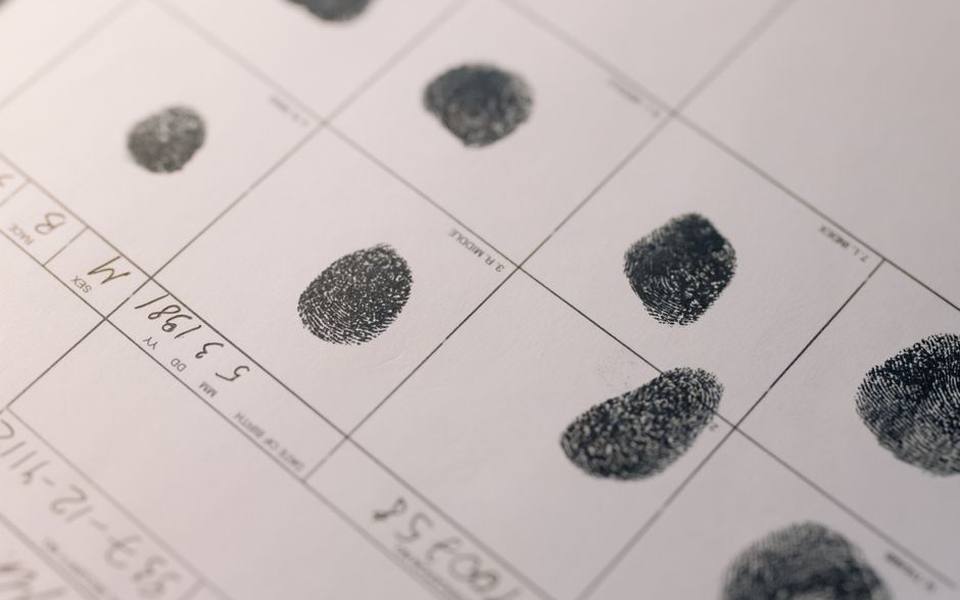
Out-of-state applicants regularly encounter situations where electronic transmission is technically impossible. For instance, if an applicant living in Ohio applies for an insurance license in Florida or real estate credentials via California notaries and state boards, the local out-of-state scanning kiosk cannot transmit directly into another state's closed Department of Justice network. In these scenarios, the applicant must locate an experienced technician to roll black printer's ink onto an FD-258 card, which is then submitted by mail.
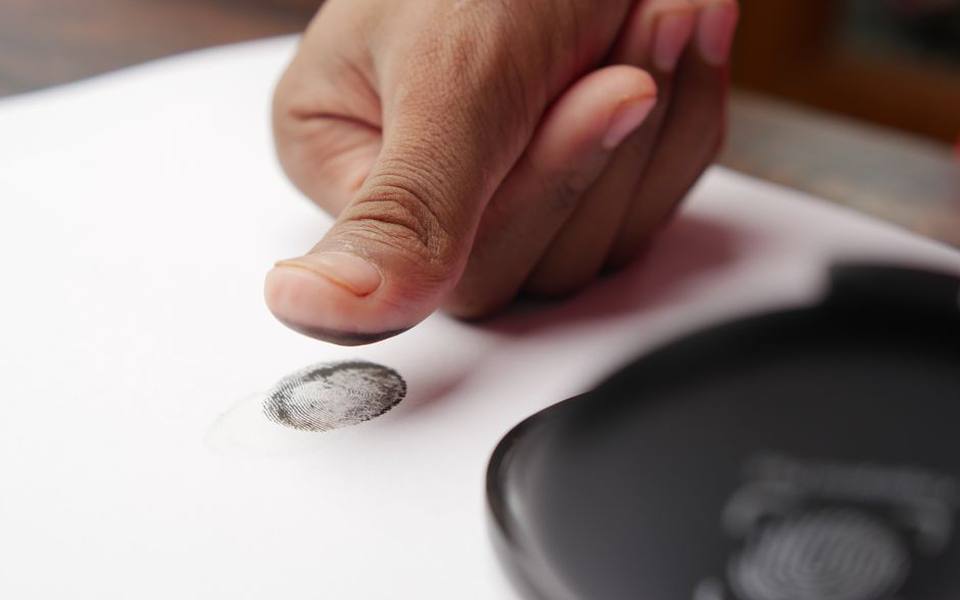
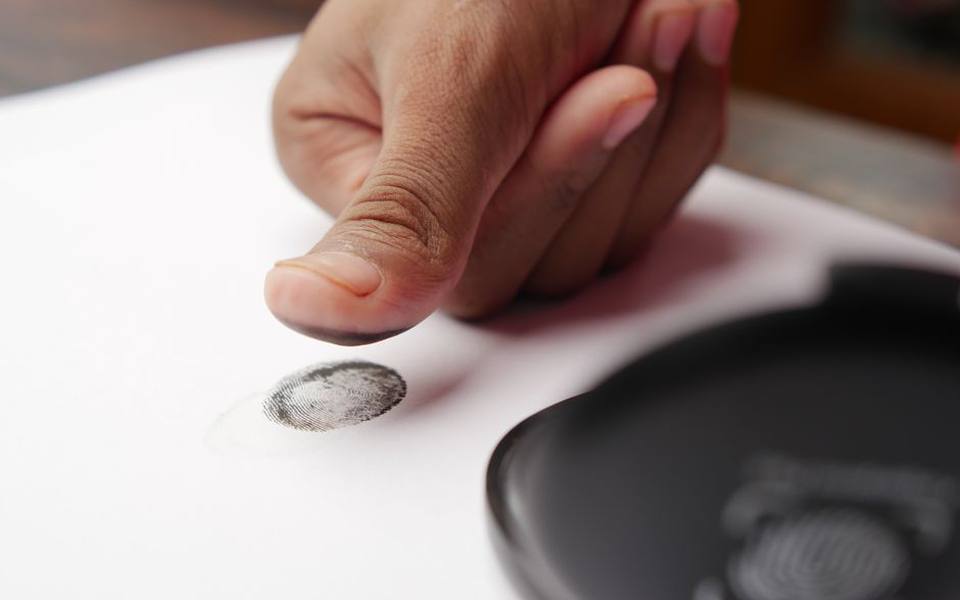
The manual rolling process demands meticulous physical technique to prevent unacceptable smearing, uneven ink saturation, or ridge distortion. A qualified technician will gently cleanse your fingers to remove sweat and oils, roll each digit across an ink pad, and pivot the finger smoothly across the paper block with consistent downward pressure. If the ink is too faint or heavily pooled, the automated readers at federal processing hubs will flag the card as unclassifiable.
Applicants should always confirm how many physical cards their specific requesting party requires prior to their appointment. Many state boards request two identical FD-258 cards simultaneously—one routed for a state-level database query and the other sent to federal databases. Having extra blank cards prepared during your session saves considerable time if an initial impression smears or fails a visual quality review.
The Live Scan Process from Transmission to Agency Review
Electronic scanning replaces mechanical ink rollers with high-resolution optical platen glass. During a digital session, an applicant places their fingers onto the illuminated glass surface while software assesses ridge detail, contrast, and focal depth in real time. The software automatically identifies missing fingers, amputations, or substandard captures, prompting the technician to reposition or re-roll the print before the file can be finalized and uploaded.
The linchpin of any electronic submission is the agency routing identifier, commonly called an Originating Agency Identifier (ORI) or Mail Code. This alpha-numeric code instructs the state justice department exactly which board, school district, or financial regulator is entitled to receive the resulting background assessment. Without an accurate ORI code listed on your paperwork, the scanning terminal cannot route your biometric submission, resulting in immediate administrative stalls.
Once transmitted, digital files pass through an Automated Fingerprint Identification System (AFIS) that matches mathematical points known as minutiae against millions of archived records. If no matching criminal records surface, the electronic clearance is often completed within twenty-four to forty-eight hours, though processing schedules vary by state workload. The receiving licensing board or employer accesses the outcome via a secure administrative portal without physical mail handling.
Applicants routinely receive a transaction control number or automated billing receipt following an electronic capture session. It is vital to retain this documentation, as state oversight portals allow individuals to track the delivery and verification status of their submission using that specific identifier. If an employer claims your prints have not arrived, that tracking receipt serves as definitive proof of your timely appointment.
State Enrollment Centers and Major Contractor Networks
State governments frequently outsource public biometric collection to private fulfillment contractors to maintain accessible coverage across urban and rural counties. In many regions, widespread networks like IdentoGO by IDEMIA manage the official enrollment hubs for state police departments, educator credentialing, and transportation worker credentials. Searching for these facilities online often leads to misspellings such as intego fingerprinting, but verifying the official vendor name ensures you book through authorized portals.
Another prominent operational provider in regional markets is Certifix Live Scan, which works alongside independent service operators, shipping stores, and local administrative offices. These certified third-party vendor platforms are authorized to connect directly to state department data gateways through encrypted software conduits. Whether you visit an IdentoGO storefront or a Certifix partner location, the technician on duty follows standardized identity verification protocols mandated by state statutory codes.
Scheduling an appointment at an authorized enrollment facility almost always requires pre-registration online. During registration, you input personal demographics, confirm the state agency code or authorization number provided by your licensing board, and settle the state transmission fee. Arriving at a retail terminal as a walk-in without a pre-generated registration barcode frequently leads to turned-away applicants, particularly in high-volume metropolitan centers.
While private contracted centers handle millions of applicants annually, local sheriff offices and municipal police stations also maintain collection services in select areas. However, municipal stations often operate with restricted public hours, require exact cash payments, or prioritize resident taxpayers. Independent third-party vendor locations typically offer broader operating schedules and online booking conveniences that accommodate urgent professional timelines.
Navigating the Federal Bureau of Investigation Background Check
A Federal Bureau of Investigation background check—formally designated as an FBI Identity History Summary Check—provides an official national compilation of biometric law enforcement records. Individuals frequently request their own FBI identity history summary to review personal records for accuracy, adopt a child, settle foreign residency applications, or satisfy work permit requirements abroad. This federal background search aggregates arrest logs and judicial dispositions submitted voluntarily by law enforcement agencies across all fifty states.
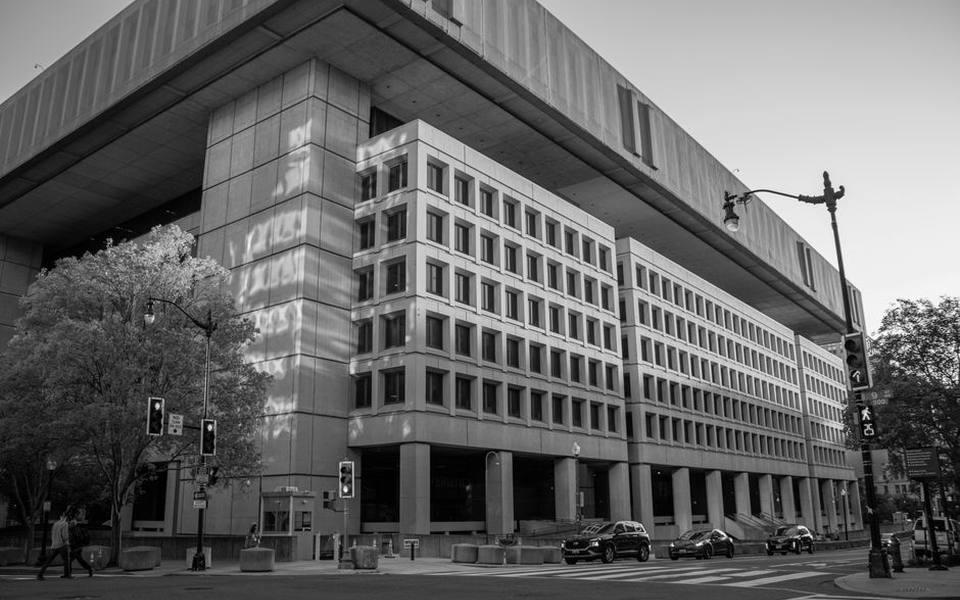
The scope of an FBI background screening differs fundamentally from private commercial database checks performed by consumer reporting agencies. While commercial screenings sweep county courthouse records, credit bureaus, and social profiles, a federal background report is strictly biometric and backed by the National Crime Information Center (NCIC). If an arrest was never associated with an inked or scanned fingerprint submission, it will typically not appear on this specific federal summary document.
Citizens and permanent residents can obtain their federal background search either directly through the bureau's electronic departmental order portal or through approved federal channelers. Channelers are private companies contracted to expedite the capture and routing of prints to the bureau, often returning the resulting federal background report as an electronic PDF within hours of the appointment. Filing directly with the bureau via postal mail using an FD-258 card remains available, though processing takes longer.
If you discover incorrect or outdated arrest records while examining your federal document, the bureau does not alter records unilaterally. Because the federal archive merely mirrors reports supplied by local arresting agencies, resolving inaccurate data requires petitioning the specific state repository or municipal court where the charges were originally processed to transmit an amended disposition.
Departmental Clearance and Employment Screening Timelines
Applicants frequently wonder how long an automated criminal records review takes once their impressions enter the system. In most states, clean electronic transmissions that show no matching arrest minutiae clear through state databases in as little as twenty-four to seventy-two hours. However, if an automated review flags a possible historical match based on shared demographic metrics or partial ridge similarities, an automated process pauses for manual human comparison.
When a manual verification is triggered, experienced biometric specialists at the state bureau or federal division physically compare the incoming scan against archived arrest cards. This human analysis ensures an innocent applicant is not falsely connected to another person's record due to similar names or birthdates. Manual reviews typically extend processing timelines by several weeks, depending on existing departmental backlogs and agency staffing levels.
Delays also occur when local courts fail to report final court dispositions to central state repositories. A background search might reveal an arrest dating back ten years, but show no entry indicating whether the charges were dismissed, dropped, or resolved via diversion. In such cases, state analysts must contact county courthouse clerks directly to verify disposition records before releasing the finalized background clearance report to your licensing board.
To avoid missing critical licensing or start dates, applicants should complete their biometric appointments as early in the hiring pipeline as regulations permit. Inquire whether your requesting authority maintains a dashboard where you can monitor intake milestones, and always confirm with your recruiter that your background file was officially paired with your broader employment portfolio.
Mobile Fingerprinting and Combining Appointments with Notary Services
For busy executive teams, healthcare networks, legal firms, or homebound individuals, traveling to a centralized retail enrollment storefront is not always practical. Mobile fingerprint technicians bring portable digital scanners or ink equipment directly to client residences, corporate offices, and institutional facilities. These on-site sessions allow large groups of employees, such as incoming medical residents or financial advisers, to complete compliance protocols efficiently in one organized visit.
Many mobile technicians also hold public commissions, enabling them to fulfill dual obligations in a single convenient appointment. For example, if you are completing an international adoption dossier or state bar application, you may need an FD-258 card inked while also obtaining power of attorney and legal paperwork notarization for companion affidavits. Scheduling an agent who handles both requirements prevents duplicate travel fees and administrative frustration.
Flexibility is another pronounced advantage of hiring mobile specialists. When shift workers, flight crews, or emergency medical personnel cannot reach standard storefronts during regular business hours, booking providers who advertise evening or weekend availability ensures regulatory compliance without disrupting daily responsibilities. These roving professionals carry extra card stock, portable lighting, and ridge-enhancing solutions to guarantee clear impressions anywhere.
Regional coverage for on-site services is extensive across major markets. Whether you need corporate group intake managed by specialized mobile operators or need local identity confirmation through verified Texas notaries, working with independent mobile contractors provides customizable scheduling that brick-and-mortar storefronts simply cannot accommodate.
International Authentication and Apostille Requirements for Fingerprint Reports
When moving abroad for employment, pursuing dual citizenship, or enrolling in foreign university programs, foreign governments frequently demand a verified federal background screening. However, foreign consulates will rarely accept a plain printed FBI results PDF or state police document without legal international certification. Documents destined for use in member nations of the Hague Apostille Convention require a standardized authentication certificate known as an apostille.
Securing an apostille for an identity record depends on whether the screening was generated at the state or federal level. State-issued police clearance letters must be notarized and subsequently submitted to the local secretary of state's authentication office. In contrast, an FBI identity history summary is a federal document issued by the Department of Justice, meaning it can only be apostilled directly through the United States Department of State Authentications Office in Washington, D.C.
Because coordinating federal apostilles involves strict mailing guidelines, specific fee structures, and extended federal wait times, many individuals turn to a qualified apostille service to navigate the bureaucratic pipeline. These services ensure your document format meets federal criteria, prevent costly application rejections, and monitor document movement until the authenticated certificate is safely returned.
Before requesting your prints, check whether the foreign consulate requires your background check to be dated within a narrow window, such as sixty or ninety days from your visa submission. Starting the fingerprinting and apostille cycle too far in advance can cause the authentication to expire in the eyes of immigration officials before your visa interview ever takes place.
Troubleshooting Rejected Prints, Smudges, and Ridge Challenges
One of the most frustrating aspects of applicant screening is receiving notification that your fingerprints were rejected as unclassifiable by state or federal examiners. Automated processing software rejects submissions when ridges are broken, low-contrast, smudged, or missing essential core and delta patterns. A rejection does not indicate a criminal record; it simply means the optical or inked image lacked adequate resolution for a computer algorithm to analyze.

Certain professions and biological factors make obtaining pristine impressions challenging. Individuals who frequently handle harsh chemicals, construction materials, paper, or healthcare sanitizers often develop worn, dry, or cracked skin on their fingertips. Similarly, elderly applicants naturally experience diminishing ridge height and reduced epidermal elasticity, which can produce faint, broken lines on optical scanner screens or paper cards.
Technicians rely on specialized techniques to salvage marginal ridges during an appointment. Applying moisturizing ridge-enhancing lotions moments before capture restores temporary hydration, helping faint skin contours press firmly against optical scanner glass. For applicants with naturally moist or hyperhidrotic hands, technicians use alcohol prep swabs or astringents to clear excess moisture that might otherwise create continuous black puddles on an FD-258 card.
If an applicant's prints are rejected twice by the bureau due to low ridge quality, the requesting agency can usually initiate a name-based background search. During this alternative administrative process, state and federal examiners manually search records using the individual's confirmed legal name, date of birth, and Social Security number, bypassing biometric requirements when natural physical ridges cannot be captured.
Preparing for Your Appointment and Essential Documentation
Arriving thoroughly prepared at your enrollment appointment guarantees a seamless experience and avoids redundant booking fees. Your primary requirement is presenting unexpired, government-issued photo identification that strictly matches the legal name listed on your background check intake forms. Acceptable credentials typically include a state driver's license, an official state ID card, a United States passport, or an unexpired military identification card.
If you recently experienced a legal name change due to marriage, divorce, or court decree, bring certified supporting documentation to bridge the gap between your identity card and your background check forms. A marriage certificate or certified court order establishes the necessary legal link, preventing technicians from turning you away due to minor spelling or surname discrepancies.
You must also carry all specific forms provided by your licensing board, prospective employer, or legal counsel. For electronic submissions, this is usually a standardized Live Scan request form containing the agency's ORI code, contributing agency address, and statutory authorization checkboxes. Technicians cannot guess or choose your routing codes for you; submitting incorrect information will send your results to the wrong department, requiring a full re-roll and secondary payment.
Finally, protect your hands in the days leading up to your scheduled session. Avoid intense rock climbing, gardening without protective gloves, harsh household cleaning chemicals, or abrasive mechanical work that could scrape, cut, or blister your fingertips. Clear, undamaged skin remains the single best guarantee of an effortless, one-take fingerprint capture.
Published 2026-09-20 · reviewed with each rebuild, last September 2026.
Find notaries near you
The directory lists 5,516 notaries by state and city — pick your state or use the “Near me” button in the header.
More guides
-
 Service
A Practical Guide to Power of Attorney: What It Means, Typical Costs, and Proper Execution
-
 Service
Where and How to Get Fingerprinted for an FBI Background Check
-
 Owning
Understanding Real Estate Deeds: Transfer on Death, Deed of Trust, and Mortgages
-
 Service
What Is an Apostille? How to Get Birth Certificates and Documents Apostilled
-
 Service
Do Banks Notarize Documents? Free Branch Options, Notary Fees, and Licensing Guide
-
 Owning
Essential Legal Documents: Bills of Sale, Estate Affidavits, and Corporate Records
-
 Money
MoneyHow Much Does a Notary Cost? Standard Fees, Travel Rates, and Extra Charges Explained
-
 Owning
Which Documents Need to Be Notarized? Leases, Notes, and Directives Explained
-
 Buying
Complete Bill of Sale Guide: Vehicle, Boat, and General Templates
-
 Service
Form I-9 Employment Eligibility Verification: Acceptable Documents and Rules
-
 Service
LLC Formation Documents, Residence Proof Affidavits, and Legal Verification
-
 Owning
How to Become a Notary Public: Supplies, Stamps, Training, and E&O Insurance
-
 Service
A Consumer Guide to Notary Public Services and Remote Online Notarization
-
 Service
Estate Planning Essentials: Wills, Codicils, and Healthcare Power of Attorney
-
 Buying
Vehicle Bill of Sale and Title Transfer Notarization Guide
-
 Service
Live Scan Fingerprinting and FBI Background Check Services Guide
-
 Service
Form I-9 Employment Verification and Identity Proofing Guide
-
 Service
Notary Training, Commissioning, Bonding, and E&O Insurance Guide
-
 Owning
A Complete Guide to Power of Attorney: Types, Forms, and Execution
-
 Money
MoneyHome Refinance and Cash-Out Mortgage Guide: Loan Closing, Rates, and Calculations
-
 Buying
Vehicle Title Transfer and Bill of Sale Guide: DMV Process, Forms, and Notarization
-
 Owning
Estate Planning and Real Estate Document Guide: Wills, Deeds, and Affidavits
-
 Owning
Articles of Incorporation and Corporate Filing Guide: LLCs, Nonprofits, and Bylaws
-
 Buying
Essential Notary Supplies Guide: Stamps, Embossing Seals, Journals, and Scanners
-
 Service
Remote Online Notarization and Mobile Notary Services Guide: How It Works and Costs
-
 Safety
Minor Travel Consent and Passport Documentation Guide: Forms, Rules, and Notarization
-
 Service
International Document Apostille, USCIS Translation, and Legalization Guide
-
 Money
MoneyProperty Tax Appeal and Protest Guide: Process, Filing Forms, and Representation
-
 Buying
Motor Vehicle Bills of Sale and Title Transfers: A Complete Guide
-
 Money
MoneyA Practical Guide to 401(k) Hardship Withdrawals and Emergency Access
-
 Owning
Heavy-Duty Fasteners, Scanners, and Document Handling Equipment for Notaries
-
 Service
Live Scan Fingerprinting, Background Checks, and Identity Verification: A Complete Practical Guide
-
 Service
Notary Public Training, Essential Supplies, and Digital Workflow Guide
-
 Owning
Corporate Formation and Governance: Articles of Incorporation and Board Minutes
-
 Buying
Vehicle Bill of Sale and Title Transfer Notarization Guide
-
 Service
A Practical Guide to Affidavits, Proof of Residency, and Identity Declarations
-
 Money
MoneyMortgage Cash-Out Refinancing: Equity Rules, Liens, and Closing Procedures
-
 Service
Certified Translation Services and State Department Legalization
-
 Service
A Practical Guide to Fingerprinting Services, LiveScan, and Identity Verification