Why Border Officials and Airlines Request Travel Consent Letters
A child traveling without both parents frequently encounters heightened scrutiny at international borders, cruise terminals, and airport check-in desks. U.S. Customs and Border Protection as well as foreign immigration authorities work diligently to prevent international child abduction and trafficking. When a minor crosses an international border accompanied by only one parent, grandparents, a school group, or family friends, border officers routinely ask to see a travel consent letter for minor passengers. Even if departure goes smoothly, immigration authorities in the destination country can detain travelers at arrival until parental authorization is confirmed.
While federal law does not mandate a single federal form for leaving the United States, immigration officials strongly urge carrying written permission. Airlines also establish their own internal carriage policies. A gate agent or check-in clerk can deny boarding if they suspect that a child is traveling across borders without the knowledge and consent of their legal guardians. Having a properly executed parent consent form for travel minimizes friction during domestic transfers and eliminates lengthy interrogations at foreign border checkpoints.
The standard recommendation is that any non-accompanying parent with legal custody rights signs a formal statement authorizing the trip. This applies equally to married parents traveling separately, separated or divorced parents, and unmarried parents who share custody. Preparing the document before purchasing non-refundable airfare prevents last-minute scrambles and ensures that airline personnel can quickly verify that the accompanying adult has legitimate authority over the child during transit.
Key Elements to Include in a Minor Travel Consent Template
A thorough minor travel consent template needs clear, unambiguous information that matches the child's government-issued identification exactly. The document should state the child's full legal name, date of birth, passport number, and home address. Discrepancies between the spelling on the consent document and the name printed on a passport or birth certificate cause immediate suspicion at immigration counters. Listing these foundational identifiers establishes an unbreakable link between the child and the accompanying paperwork.
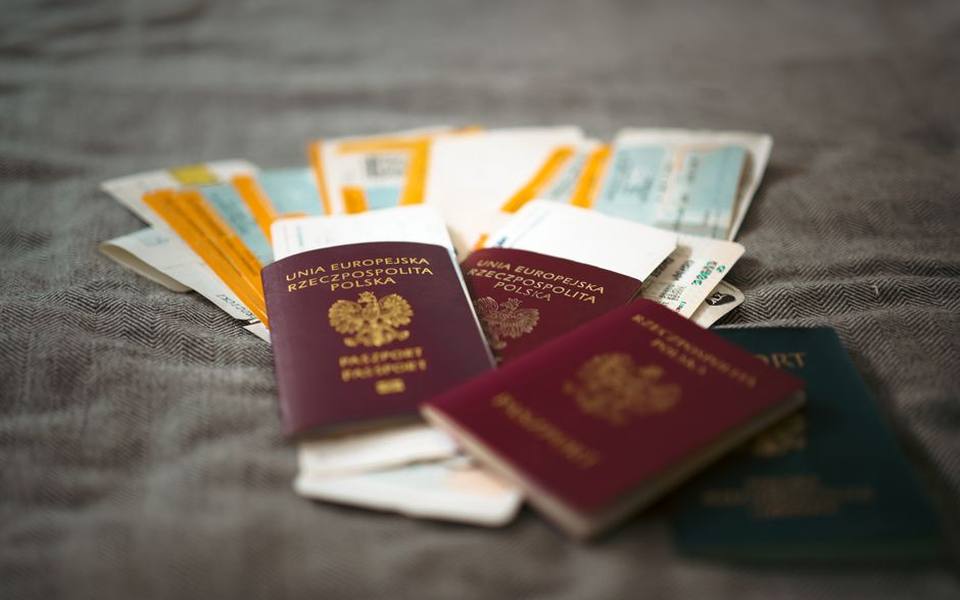
Next, the form must identify the accompanying adult or supervising entity. Include the escort's legal name, relationship to the minor, passport details, and current residential address. If the child travels with a sports team, church youth group, or tour organization, name the specific chaperones authorized to accompany them. Detailed travel logistics—such as flight numbers, departure and arrival dates, hotel addresses, and destination cities—provide verifying officers with verifiable context regarding the itinerary.
The document must also contain the non-traveling parent's direct contact information, including home phone numbers, mobile lines, and residential addresses. Finally, include an explicit statement permitting the child to travel to the specified locations between the stated calendar dates. Many families also include emergency medical authorization within the same instrument, giving the traveling guardian permission to consent to urgent medical treatment if the parents cannot be reached immediately.
Using Printable PDF Forms and Free Online Templates
Many parents look for a travel consent form for minor pdf to print and complete before an upcoming vacation. Free templates provided by consumer legal portals, government agency websites, and family travel associations usually cover the required statutory elements. When selecting a free travel consent form for minor use, review the draft carefully to ensure it contains blank spaces for all vital data points, including custody acknowledgments and notary public blocks.
Generic forms often require minor adjustments to reflect unique family situations. For example, if a child visits relatives abroad and returns with a different family member, a standardized template might need customized language explaining both travel legs. Downloading a customizable travel consent template allows you to tailor the authorization to include multiple travel companions or open-ended return dates, provided those details remain transparent and truthful.
Once filled out, review the printed document for typographical errors before heading to a notary. Never sign the permission to travel form in advance; notary laws in every jurisdiction require that you execute the document in the direct presence of the notary public. Bringing a crisp, printed document along with valid state identification ensures that the notarization proceeds without delay.
Airline Flying Consent Forms and Domestic Transit Rules
Domestic travel within the United States generally involves fewer documentation hurdles than international departures, but airline policies still demand caution. Most major domestic carriers do not actively ask for a parent permission form for travel when a child flies domestically with one parent. However, if a minor travels alone under an unaccompanied minor program or with an unrelated chaperone, airlines frequently require their own specific flying consent form at the check-in counter.
Transportation Security Administration (TSA) agents do not currently require minors under age 18 to present photo identification for domestic flights, but airline desk agents frequently request age verification. Carrying a certified birth certificate or state ID helps establish identity and family connection. If an airline employee suspects an custody dispute or an unauthorized run-away scenario, having a signed travel consent form on hand resolves questions immediately.
School field trips, summer camps, and athletic leagues flying interstate should keep individual authorization packets for every youth participant. Having readily accessible documentation speeds up group check-in lines and ensures that terminal supervisors can clear young passengers quickly. Checking your airline’s explicit travel policies online several days ahead of departure remains the best way to prevent gate-side disruptions.
Passport Renewal Rules for Expired Minor and Adult Passports
Handling a passport renewal for expired passport credentials depends heavily on the age of the passport holder when the original document was issued. Adult passports issued at age 16 or older can typically be renewed by mail using standard simplified application processes, provided the passport was issued within the last 15 years and remains undamaged. Many parents mistakenly assume their teenager or child can renew an expired passport through the same convenient mail-in channel.
U.S. passport regulations classify all passports issued to children under age 16 as minor passports, which are valid for only five years. Crucially, a minor passport cannot be renewed by mail; each replacement requires a new in-person application using Form DS-11. Both parents or legal guardians must appear in person with the child at an authorized passport acceptance facility, such as a post office or county clerk's office, to execute the paperwork.
If one parent cannot attend the passport appointment in person, federal guidelines permit the attending parent to submit Form DS-3053, a Statement of Consent. This specific federal form must be signed and notarized by the absent parent, accompanied by a clear photocopy of the front and back of that parent's government identification. If an after-hours schedule makes visiting a brick-and-mortar storefront difficult, families can coordinate with evening or weekend availability notaries to finalize parental consent paperwork.
Managing Documentation for Sole Custody and Single Parents
Single parents and legal guardians who hold sole legal custody often encounter confusion when trying to produce a two-parent travel authorization letter. When a parent has exclusive legal custody, obtaining a signature from the other parent is either legally unnecessary or practically impossible. Border officials recognize this dynamic, but the traveling parent must carry independent legal proof establishing their sole authority.

Appropriate supporting paperwork typically includes a certified court order granting sole legal custody, a certified copy of the child’s birth certificate listing only one parent, or an adoption decree. If the other parent is deceased, carrying a certified copy of the death certificate serves as definitive proof. In situations where a non-custodial parent has visitation rights but no legal decision-making powers, travel restrictions outlined in the divorce decree or custody agreement must be respected.
Carrying these custody documents in a dedicated travel folder alongside the minor's passport prevents stressful border interactions. Immigration officers are trained to evaluate the complete legal picture; presenting official, court-issued documentation swiftly clarifies why only one signature appears on the minor travel consent paperwork.
Temporary Guardianship Agreements for Extended Absences
When parents send a child abroad or out of state for an extended duration—such as spending a summer with relatives, studying in an exchange program, or receiving long-term care—a simple travel permission form might fall short. In these circumstances, a temporary guardianship agreement provides the local caregiver with broader, necessary legal powers. This agreement allows the designated adult to manage routine education decisions, day-to-day discipline, and urgent housing needs while parents remain unavailable.
Equally vital is medical power of attorney authorization. If a child suffers an injury or acute illness, emergency rooms and clinics require legal consent to perform non-life-threatening procedures, administer medications, or order diagnostic imaging. A comprehensive temporary care agreement explicitly authorizes the caregiver to make healthcare decisions, access medical records, and coordinate with insurance providers. Executing this instrument requires power of attorney and legal paperwork notarization so healthcare organizations recognize the designated authority without hesitation.
Temporary agreements generally outline a defined duration, identifying clear start and end dates. They also specify under what terms the biological parents revoke the delegation. Drafting these provisions clearly ensures that the caregiver can fulfill their duties effectively without creating permanent alterations to legal parental custody.
Executing and Notarizing Travel Permission Documents
Border authorities and foreign consulates place significant weight on notarial certificates because they verify the identity of the signer and ensure signatures are given voluntarily. An unnotarized note written on plain paper can be easily forged, leading border personnel to view it with skepticism. A formal notarial acknowledgment or jurat confirms that a vetted public official checked state-issued identification before the parent signed the permission slip.
Signers must present current, government-issued photo identification—such as a driver's license, state ID, or passport—at the time of notarization. The notary verifies that the name on the ID matches the name listed on the consent document, witnesses the physical or digital signature, and applies an official seal. If parents reside in different cities or work unpredictable shifts, modern technology allows signers to execute documents through remote online notarization platforms using secure video verification.
For bilingual families traveling to Spanish-speaking territories, ensuring language clarity is equally helpful. Working with professionals who provide servicio en español can streamline communication, ensuring that both the English documentation and any corresponding foreign translations are properly reviewed, understood, and signed according to statutory standards.
International Entry Rules, Translations, and Apostille Requirements
Every destination country enforces unique entry guidelines regarding foreign minors. For instance, countries throughout the European Union, Canada, and Mexico have established specific verification protocols for minors entering with third parties or single parents. Some nations require that any English-language travel consent letter be accompanied by a certified translation into the official language of the destination country. Failing to carry a recognized translation can cause administrative delays at border control.
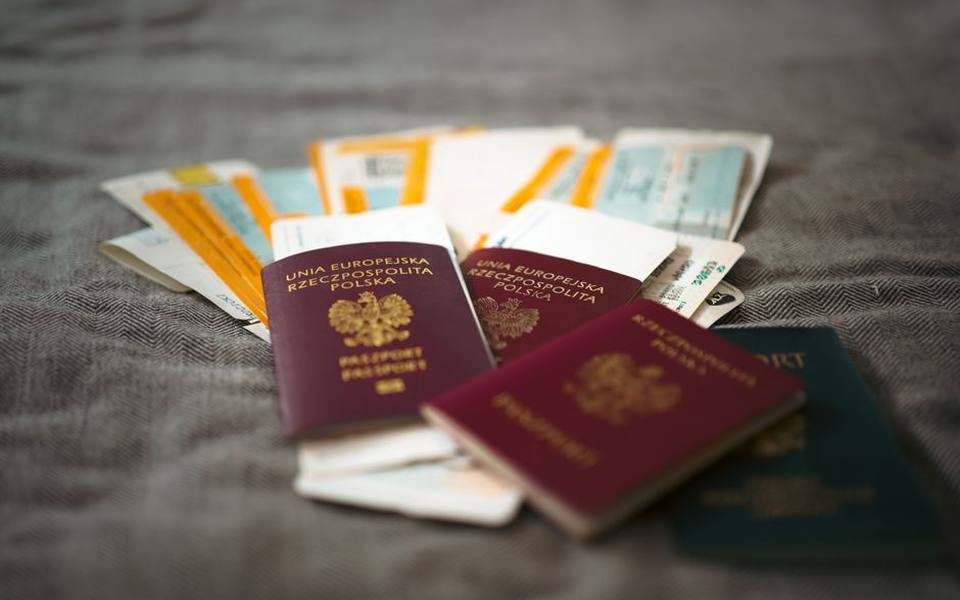
Certain foreign jurisdictions may also request that official affidavits, court decrees, or guardianship authorizations carry an international authentication known as an apostille. Under the Hague Apostille Convention, member nations accept foreign public documents only after state authentication authorities certify the notary's commission. Obtaining an apostille service through state authorities ensures that foreign judges, border officers, and medical facilities recognize the document's legal validity immediately.
Before departing on international itineraries, visit the consular website of your destination nation to review their explicit minor entry policies. Some countries offer their own standardized bilingual entry authorization forms that can be downloaded, signed, and notarized alongside your standard domestic consent paperwork.
A Comprehensive Document Checklist for Stress-Free Travel
Organizing all travel authorizations well in advance of your departure date eliminates unnecessary anxiety at the airport terminal. Assemble a dedicated document binder containing the child's valid passport or certified birth certificate, along with multiple notarized copies of the travel consent form. Keep the original documents in your primary carry-on bag rather than in checked luggage, as gate agents and customs officers will ask to inspect them while you transition through security zones.
Include clear photocopies of both parents' driver's licenses or passports inside the travel portfolio. If custody orders, death certificates, or temporary guardianship powers apply to your family structure, keep certified court copies readily accessible. Having emergency medical contact numbers, primary pediatrician details, and health insurance cards in the same folder guarantees that chaperones are prepared for any unexpected circumstances.
Finally, store password-protected digital scans of all executed documents in secure cloud storage accessible via your smartphone or tablet. While foreign immigration officers almost always require original physical ink signatures and raised or stamped notary seals, having backup digital copies provides immediate reassurance if paper documents become wet, misplaced, or damaged while traveling.
Published 2026-09-20 · reviewed with each rebuild, last September 2026.
Find notaries near you
The directory lists 5,516 notaries by state and city — pick your state or use the “Near me” button in the header.
More guides
-
 Service
A Practical Guide to Power of Attorney: What It Means, Typical Costs, and Proper Execution
-
 Service
Where and How to Get Fingerprinted for an FBI Background Check
-
 Owning
Understanding Real Estate Deeds: Transfer on Death, Deed of Trust, and Mortgages
-
 Service
What Is an Apostille? How to Get Birth Certificates and Documents Apostilled
-
 Service
Do Banks Notarize Documents? Free Branch Options, Notary Fees, and Licensing Guide
-
 Owning
Essential Legal Documents: Bills of Sale, Estate Affidavits, and Corporate Records
-
 Money
MoneyHow Much Does a Notary Cost? Standard Fees, Travel Rates, and Extra Charges Explained
-
 Owning
Which Documents Need to Be Notarized? Leases, Notes, and Directives Explained
-
 Buying
Complete Bill of Sale Guide: Vehicle, Boat, and General Templates
-
 Service
Form I-9 Employment Eligibility Verification: Acceptable Documents and Rules
-
 Service
LLC Formation Documents, Residence Proof Affidavits, and Legal Verification
-
 Owning
How to Become a Notary Public: Supplies, Stamps, Training, and E&O Insurance
-
 Service
Fingerprinting and Live Scan Background Checks: Methods, Locations, and Cards
-
 Service
A Consumer Guide to Notary Public Services and Remote Online Notarization
-
 Service
Estate Planning Essentials: Wills, Codicils, and Healthcare Power of Attorney
-
 Buying
Vehicle Bill of Sale and Title Transfer Notarization Guide
-
 Service
Live Scan Fingerprinting and FBI Background Check Services Guide
-
 Service
Form I-9 Employment Verification and Identity Proofing Guide
-
 Service
Notary Training, Commissioning, Bonding, and E&O Insurance Guide
-
 Owning
A Complete Guide to Power of Attorney: Types, Forms, and Execution
-
 Money
MoneyHome Refinance and Cash-Out Mortgage Guide: Loan Closing, Rates, and Calculations
-
 Buying
Vehicle Title Transfer and Bill of Sale Guide: DMV Process, Forms, and Notarization
-
 Owning
Estate Planning and Real Estate Document Guide: Wills, Deeds, and Affidavits
-
 Owning
Articles of Incorporation and Corporate Filing Guide: LLCs, Nonprofits, and Bylaws
-
 Buying
Essential Notary Supplies Guide: Stamps, Embossing Seals, Journals, and Scanners
-
 Service
Remote Online Notarization and Mobile Notary Services Guide: How It Works and Costs
-
 Service
International Document Apostille, USCIS Translation, and Legalization Guide
-
 Money
MoneyProperty Tax Appeal and Protest Guide: Process, Filing Forms, and Representation
-
 Buying
Motor Vehicle Bills of Sale and Title Transfers: A Complete Guide
-
 Money
MoneyA Practical Guide to 401(k) Hardship Withdrawals and Emergency Access
-
 Owning
Heavy-Duty Fasteners, Scanners, and Document Handling Equipment for Notaries
-
 Service
Live Scan Fingerprinting, Background Checks, and Identity Verification: A Complete Practical Guide
-
 Service
Notary Public Training, Essential Supplies, and Digital Workflow Guide
-
 Owning
Corporate Formation and Governance: Articles of Incorporation and Board Minutes
-
 Buying
Vehicle Bill of Sale and Title Transfer Notarization Guide
-
 Service
A Practical Guide to Affidavits, Proof of Residency, and Identity Declarations
-
 Money
MoneyMortgage Cash-Out Refinancing: Equity Rules, Liens, and Closing Procedures
-
 Service
Certified Translation Services and State Department Legalization
-
 Service
A Practical Guide to Fingerprinting Services, LiveScan, and Identity Verification