Understanding the Purpose and Legal Role of a Bill of Sale
A bill of sale functions as written evidence that ownership of personal property has officially transferred from one party to another. While many people confuse this record with a certificate of title, the two instruments serve distinct functions. A bill of sale records the contract of transaction—documenting the final price, the date of release, and identification details of the item sold—whereas a title acts as government-issued proof of legal ownership. For non-titled goods or used equipment, the bill of sale often serves as the primary receipt demonstrating that the buyer acquired the goods legitimately.
In private-party transactions, drafting an accurate bill of sale shields both the buyer and the seller from subsequent liability. For the seller, the document typically establishes that the asset was transferred without warranty, known universally in private commerce as sold as-is. Once signed, the previous owner is generally freed from liability should the item malfunction or cause damage after leaving their care. For the buyer, having an itemized record prevents accusations of unauthorized possession and simplifies sales tax reporting when presenting transaction values to state licensing bureaus.
Drafting this paperwork does not require complex legalese, but essential elements must appear to ensure validity across standard state registries. A practical agreement includes the full legal names, addresses, and phone numbers of both parties, along with a granular description of the property involved. If the transaction involves vehicles, serial-tracked machinery, or firearms, specific identification markings such as frame stamps or manufacturer numbers are necessary. While simple transactions can take effect immediately upon signature, state agencies often mandate third-party witnessing, making power of attorney and legal paperwork notarization a common requirement before administrative processing.
Drafting an Enforceable Bill of Sale for Boats and Watercraft
Selling or purchasing watercraft involves unique administrative requirements because a single vessel often contains several separately registered components. When creating a private vessel transfer agreement, you cannot simply describe the boat as a single unit. State marine boards and department of motor vehicles offices usually track the boat hull, the outboard motor, and the transport trailer as independent property items. Omitting any of these distinct serial sets often stalls watercraft registration and delays the release of state validation decals.

To write a thorough watercraft bill of sale, begin with the primary vessel details: manufacturer, build year, total length, hull material, and the twelve-digit Hull Identification Number stamped into the transom. Below the hull specs, create dedicated lines for the propulsion system, noting whether the engine is inboard or outboard, along with its brand, horsepower, and specific motor serial number. If the purchase includes a trailer, detail the trailer manufacturer, vehicle identification number, and license plate, because the trailer must be titled separately through highway safety divisions in most jurisdictions.
Financial terms within marine agreements must also be documented clearly to avoid tax disputes. If the deal bundles accessories like marine electronics, downriggers, or safety gear, itemizing their estimated fair market values alongside the hull and trailer can provide clarity during excise tax assessments. Before submitting the paperwork, verify local marine board guidelines, as several coastal and inland states mandate that both the buyer and seller execute the document in the physical presence of an official witness to confirm mutual consent.
Managing Vehicle Title Transfers and Associated Transfer Expenses
When purchasing any registered road vehicle from a private individual, completing the ownership assignment requires a formal title switch through your state motor vehicle department. The title switch process transfers the manufacturer's or state's official registry certificate from the former owner to the new keeper. Neglecting to complete this switch leaves the buyer unable to register the vehicle, insure it properly, or legally operate it on public roads, while the seller remains vulnerable to unpaid highway tolls and parking citations.
The overall expense to switch an automotive title depends on several variables, including county administration fees, state title printing costs, and municipal emissions or safety inspection requirements. In most states, the baseline fee charged purely to print and assign a replacement vehicle title typically falls into a modest bracket, often between fifteen and fifty dollars. However, the total invoice presented at the motor vehicle counter usually includes local sales or excise tax, which is calculated as a percentage of the purchase price or the clean trade-in book value of the car.
Additional fees may arise depending on the status of prior loans or the need for expedited handling. If the vehicle had an outstanding balance that was recently satisfied, submitting a signed lien release certificate alongside the signed title is mandatory. For transactions conducted across state borders, extra charges for vehicle identification number verifications, title surrender processing, and newly issued license plates are typically bundled into the final registration tally, meaning buyers should budget additional funds above the basic paper transfer fee.
Identifying Corporate Fleet Vehicles and Their Administrative Footprint
A corporate fleet vehicle is an automobile, light truck, or commercial van owned, leased, or operated directly by a business entity rather than a private consumer. Companies assemble fleets to support regular operational tasks, such as regional sales travel, field repair work, package distribution, or executive transport. Unlike standard family vehicles, fleet units are titled under the corporate name, operated under commercial automobile liability policies, and subjected to rigid preventive maintenance schedules managed by specialized fleet service companies.
From an operational perspective, fleet vehicles feature distinct documentation trails that private-party cars rarely possess. Registration cards identify the business entity as the registered owner, often alongside a commercial fleet account number issued by state authorities. Commercial vehicles are frequently equipped with electronic logging devices, telematics systems, and standardized safety gear to satisfy state commerce regulations. When companies retire these units through fleet auctions or wholesale disposals, they provide complete fleet maintenance records, which offer buyers detailed historical transparency regarding service intervals and major component replacements.
Purchasing a retired fleet vehicle involves unique paperwork steps because the individual signing the ownership documents does not personally own the asset. The representative completing the transfer must possess verified signatory authority for the enterprise, typically established through a corporate resolution or commercial power of attorney. Title offices require this documentation alongside the entity's organizational records to confirm the individual signing the release has the legitimate legal power to alienate company property.
Corporate Formation Records Versus Limited Liability Structures
Entrepreneurs frequently confuse the organizational paperwork of corporations with the filings used to launch a limited liability company. A standard business corporation relies on Articles of Incorporation to bring the legal entity into existence with state authorities. In contrast, a limited liability company does not use or need Articles of Incorporation; it is formed instead by submitting Articles of Organization, known in certain jurisdictions like Delaware and Texas as a Certificate of Formation. While both document types serve as the initial public birth certificate for an enterprise, they correspond to fundamentally different corporate species.
Articles of Incorporation for a traditional corporation typically specify share structures, authorized stock counts, initial board members, and share classes. Because corporations separate ownership from executive management, these formation documents focus heavily on governance protocols and shareholder rights. Conversely, the Articles of Organization for an LLC feature a simpler administrative footprint, concentrating primarily on the official entity name, registered agent office, business address, and whether the venture will be managed by its members directly or overseen by appointed managers.
Despite their structural differences, neither document contains the internal operational rules of the company. A corporation enacts corporate bylaws to set voting quorums and officer duties, while an LLC drafts an operating agreement to govern profit distribution and ownership percentages. Banks, title companies, and lending institutions usually ask for these internal governing compacts along with the official state formation filings to verify company leadership before opening business depository accounts or executing commercial leases.
Locating Corporate Filings and Procuring Official Certified Copies
If you misplaced your original business formation papers or must provide an official duplicate to an administrative agency, finding your records is generally straightforward. Every state maintains a central corporate database, typically managed by the Secretary of State or a department of commerce. By visiting the online public records portal of the state where your company was incorporated, you can search for your entity by its exact legal name or state entity charter number to review public filings on record.
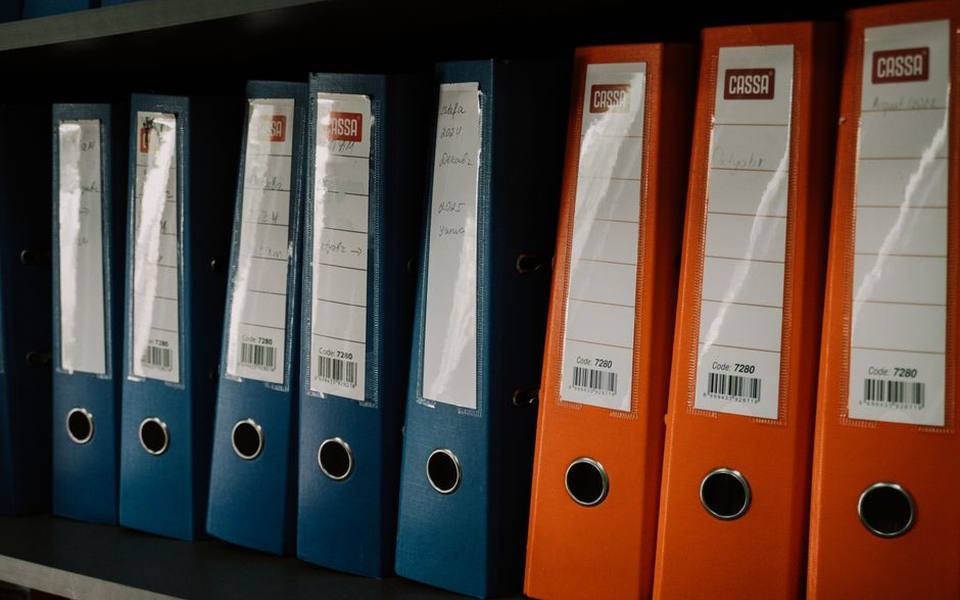
Once you locate your company profile in the state registry, you can download uncertified informational records or order an official certified copy. A certified copy carries a state seal, a verification statement, and an official state clerk signature, confirming that the photocopy matches the permanent state archive exactly. Financial institutions, out-of-state regulatory bodies, and courts generally reject basic digital printouts, insisting on certified records issued within the past sixty to ninety days to ensure the business remains active and in good administrative standing.
Obtaining these certified records typically requires paying a modest statutory processing fee to the state repository, which depends on document page length and handling speed. In cases where documents must be presented to a foreign authority for international commerce, a certified copy must also receive an authentication or apostille service endorsement. Planning document requests several weeks before planned commercial closings ensures administrative delays do not stall real estate transactions or banking authorizations.
Navigating Small Estate Affidavits to Settle Minor Estates
When an individual passes away leaving a modest estate, surviving family members can often bypass formal, lengthy probate proceedings by utilizing a small estate affidavit. This sworn legal declaration allows lawful heirs to claim bank deposits, personal effects, and vehicle titles directly from financial institutions and state agencies without waiting for a judge to appoint an executor. However, this streamlined route is available only if the decedent's total probate assets fall below a specific financial ceiling established by state law.
Securing a small estate affidavit depends on your county probate structure. Most municipal court clerk portals, county probate divisions, or state legal aid libraries offer pre-formatted affidavit templates that reflect current local statutes. In many counties, the self-help service desk inside the probate court maintains physical packets containing the statutory forms alongside instructional filing checklists. Before filling out the paperwork, the affiant must confirm that the waiting period mandated by state law—typically ranging from thirty to forty-five days following the individual's death—has passed.
The completed form requires a comprehensive inventory of the decedent's personal property, fair market valuations, and a listing of all known unpaid debts and funeral expenses. Every eligible heir must either sign the document or submit written consent agreeing to the proposed asset allocation. Because the document acts as a binding legal oath certifying under penalty of perjury that all debts will be settled, state laws universally mandate formal notarization, which can be accomplished locally or through modern remote online notarization platforms.
Clarifying Primary Residence with an Affidavit of Domicile
An affidavit of domicile is a specialized legal document used primarily during probate administration to establish the official, primary residence of a deceased person at the time of their passing. Financial transfer agents, brokerage houses, and corporate stock registrars frequently request this form before re-registering or liquidating securities, mutual funds, or registered bonds held in the decedent's name. It confirms which state and county possessed sovereign legal jurisdiction over the individual's personal assets.
The practical necessity of the affidavit stems from complex state tax regulations and overlapping claims of inheritance taxes. Because securities companies face severe penalties if they release capital without accounting for potential state inheritance claims, they rely on the affidavit to verify where estate taxes should be settled. The sworn statement asks the personal representative to detail the decedent's home address, voting history, driver's license state, and where they filed their final income tax returns, providing clear evidence of true residency.
Drafting this document requires identifying the affiant's administrative capacity—such as executor, personal administrator, or surviving next of kin—and declaring under oath that the listed primary home was the deceased person's true domicile. Once executed and notarized, the document is submitted to the brokerage transfer desk alongside an official certified copy of the death certificate. The transfer agent then releases the securities, enabling the fiduciary to distribute the proceeds in compliance with the decedent's will or state intestacy laws.
Financial Assurances and the Function of a Letter of Guarantee
A letter of guarantee is a formal contractual statement issued by a financial institution or commercial enterprise pledging that the liabilities of an individual or company will be fulfilled if they fail to perform. In everyday consumer and commercial trade, these instruments commonly appear when parties enter into transactions with unfamiliar vendors, bid on heavy equipment at competitive public auctions, or import wholesale goods. The letter reassures the recipient that a dependable financial backer will cover specific losses if the primary party defaults.

Bank guarantee letters differ significantly from standard credit reference notes. While a reference letter merely describes an account holder's positive banking history, a true guarantee is an irrevocable payment obligation. In wholesale auto auctions or commercial equipment sales, for instance, a dealer must often present a bank letter of guarantee ensuring that the financial institution will honor draft checks up to a defined dollar figure over a specified date range, preventing transactions from failing due to insufficient liquidity.
Commercial contracts also use corporate letters of guarantee, where a well-capitalized parent enterprise stands behind the obligations of a newly launched subsidiary. Securing this backing requires rigorous financial assessment, as the guarantor institution takes on substantial credit exposure. When private or business transactions require urgent documentation outside traditional business hours, arranging for evening or weekend availability through mobile signing specialists ensures contractual agreements take effect without missing critical trade deadlines.
Procedures for Claiming and Processing Substantial Lottery Prizes
Securing a major lottery payout requires a systematic approach to preserve the ticket's integrity and protect your legal entitlement to the funds. The instant you confirm a winning ticket, your immediate action should be signing the back of the physical paper ticket in ink. In the eyes of lottery commissions, an unsigned ticket is generally treated as bearer property, meaning anyone possessing the paper can claim the proceeds until an official owner marks their legal name and physical address across the validation line.
The collection procedure depends primarily on the prize tier. Winnings below sixty to six hundred dollars can typically be paid directly by licensed lottery retail stores in cash or store credit. Moderate prizes reaching several thousand dollars usually necessitate filing a claim form through regional state lottery claim centers, either via certified mail or through scheduled counter appointments. For jackpots, jackpot shares, or life-changing windfalls, winners must travel directly to state lottery headquarters to complete multi-step validation audits.
When arriving to claim a substantial prize, winners must present the signed original ticket, two forms of verified government-issued identification, and a valid Social Security card. State lottery officials cross-check claimant records against government databases to satisfy child support enforcement checks and outstanding state tax liens before releasing funds. Claimants also face critical decisions regarding whether to take lump-sum cash payouts or annuity disbursements, often engaging legal counsel and tax advisors beforehand to establish family trusts or LLC structures where anonymous claims remain legally permissible.
Published 2026-09-20 · reviewed with each rebuild, last September 2026.
Find notaries near you
The directory lists 5,516 notaries by state and city — pick your state or use the “Near me” button in the header.
More guides
-
 Service
A Practical Guide to Power of Attorney: What It Means, Typical Costs, and Proper Execution
-
 Service
Where and How to Get Fingerprinted for an FBI Background Check
-
 Owning
Understanding Real Estate Deeds: Transfer on Death, Deed of Trust, and Mortgages
-
 Service
What Is an Apostille? How to Get Birth Certificates and Documents Apostilled
-
 Service
Do Banks Notarize Documents? Free Branch Options, Notary Fees, and Licensing Guide
-
 Money
MoneyHow Much Does a Notary Cost? Standard Fees, Travel Rates, and Extra Charges Explained
-
 Owning
Which Documents Need to Be Notarized? Leases, Notes, and Directives Explained
-
 Buying
Complete Bill of Sale Guide: Vehicle, Boat, and General Templates
-
 Service
Form I-9 Employment Eligibility Verification: Acceptable Documents and Rules
-
 Service
LLC Formation Documents, Residence Proof Affidavits, and Legal Verification
-
 Owning
How to Become a Notary Public: Supplies, Stamps, Training, and E&O Insurance
-
 Service
Fingerprinting and Live Scan Background Checks: Methods, Locations, and Cards
-
 Service
A Consumer Guide to Notary Public Services and Remote Online Notarization
-
 Service
Estate Planning Essentials: Wills, Codicils, and Healthcare Power of Attorney
-
 Buying
Vehicle Bill of Sale and Title Transfer Notarization Guide
-
 Service
Live Scan Fingerprinting and FBI Background Check Services Guide
-
 Service
Form I-9 Employment Verification and Identity Proofing Guide
-
 Service
Notary Training, Commissioning, Bonding, and E&O Insurance Guide
-
 Owning
A Complete Guide to Power of Attorney: Types, Forms, and Execution
-
 Money
MoneyHome Refinance and Cash-Out Mortgage Guide: Loan Closing, Rates, and Calculations
-
 Buying
Vehicle Title Transfer and Bill of Sale Guide: DMV Process, Forms, and Notarization
-
 Owning
Estate Planning and Real Estate Document Guide: Wills, Deeds, and Affidavits
-
 Owning
Articles of Incorporation and Corporate Filing Guide: LLCs, Nonprofits, and Bylaws
-
 Buying
Essential Notary Supplies Guide: Stamps, Embossing Seals, Journals, and Scanners
-
 Service
Remote Online Notarization and Mobile Notary Services Guide: How It Works and Costs
-
 Safety
Minor Travel Consent and Passport Documentation Guide: Forms, Rules, and Notarization
-
 Service
International Document Apostille, USCIS Translation, and Legalization Guide
-
 Money
MoneyProperty Tax Appeal and Protest Guide: Process, Filing Forms, and Representation
-
 Buying
Motor Vehicle Bills of Sale and Title Transfers: A Complete Guide
-
 Money
MoneyA Practical Guide to 401(k) Hardship Withdrawals and Emergency Access
-
 Owning
Heavy-Duty Fasteners, Scanners, and Document Handling Equipment for Notaries
-
 Service
Live Scan Fingerprinting, Background Checks, and Identity Verification: A Complete Practical Guide
-
 Service
Notary Public Training, Essential Supplies, and Digital Workflow Guide
-
 Owning
Corporate Formation and Governance: Articles of Incorporation and Board Minutes
-
 Buying
Vehicle Bill of Sale and Title Transfer Notarization Guide
-
 Service
A Practical Guide to Affidavits, Proof of Residency, and Identity Declarations
-
 Money
MoneyMortgage Cash-Out Refinancing: Equity Rules, Liens, and Closing Procedures
-
 Service
Certified Translation Services and State Department Legalization
-
 Service
A Practical Guide to Fingerprinting Services, LiveScan, and Identity Verification