How Electronic Live Scan Fingerprinting Operates
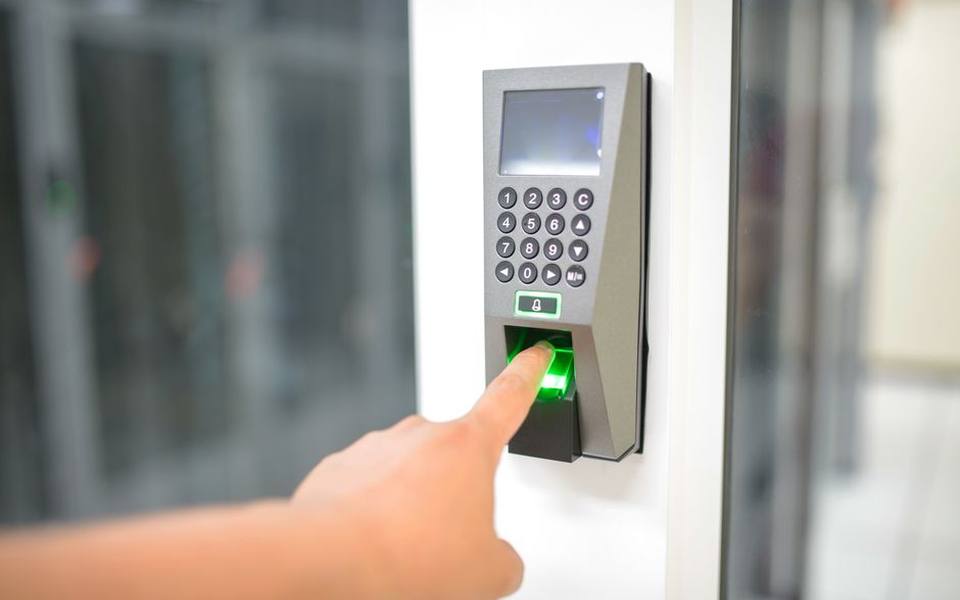
Live scan fingerprinting is an inkless, electronic process that captures friction ridge detail from your fingers and palms using a specialized optical scanner. Instead of applying black printer ink to your fingers and rolling them across heavy paper cards, a technician guides your hands over a clean glass prism. The system captures high-resolution digital images in real time, checks them immediately against strict quality thresholds, and formats them into standardized data files for direct electronic transmission to state or federal databases.
Many people encountering this requirement for the first time look for what sounds like life scan services, but the legal and technical term is live scan. The label distinguishes live, digital image capture on an electronic reader from older static methods where physical ink impressions were taken on paper and subsequently scanned into a computer. State departments of justice and national law enforcement repositories have overwhelmingly transitioned to this digital pipeline because it drastically cuts down on manual data entry errors and physical shipping delays.
When an applicant completes their scan at an authorized terminal, the certified technician sends the digital transmission package over an encrypted network directly to the designated government clearinghouse. The requesting licensing board, school district, or healthcare regulator receives the verified results electronically in their secure portal. Because the entire sequence bypasses standard postal mail, clean submissions can frequently clear initial background reviews in just a few days rather than the multiple weeks typically required for traditional paper cards.
Understanding the FBI Criminal Background Check Process
A formal federal bureau of investigation criminal background check produces an official summary of an individual's criminal history record, commonly called an Identity History Summary or rap sheet. This comprehensive file compiles arrest records, federal employment security checks, military disciplinary proceedings, and fingerprint submissions sent to federal repositories by local, state, and federal law enforcement agencies nationwide. If an individual has no matching record in the national database, the bureau issues a formal clearance document confirming that no prior criminal history was discovered.
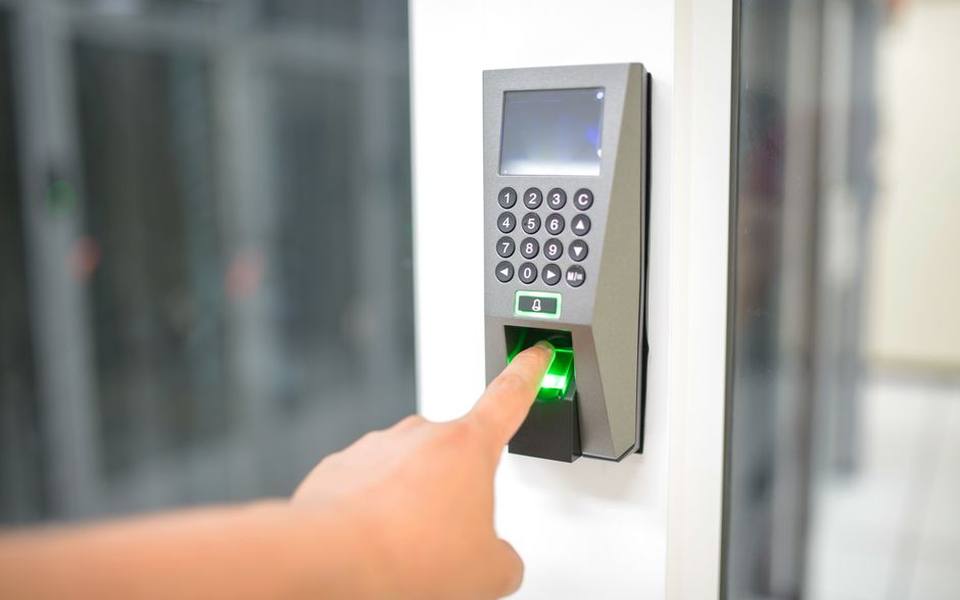
It is helpful to distinguish between an in-state background screening and an fbi criminal record check. State-level background inquiries usually look only within that specific state's repository, which means an offense committed across state lines might not appear on a local police review. By contrast, an fbi criminal history check pools inter-jurisdictional records through the Interstate Identification Index, giving requesting authorities a nationwide perspective. Many regulated industries, including financial services, childcare, and nuclear security, mandate this broader federal review to maintain public safety standards.
Obtaining your own fbi criminal background report is often done for personal review, court-ordered record challenges, international work permits, or foreign adoption filings. When you request a departmental summary directly, you receive an official fbi criminal background response reflecting whatever history currently exists under your biometric profile. Reviewing this document beforehand allows individuals to verify that expunged records have been properly removed or that mistaken identity entries have been formally resolved before an employer or foreign visa office reviews the file.
Navigating Certified Enrollment Providers and Booking Platforms
To satisfy state or federal screening mandates, applicants must visit an authorized enrollment provider rather than an unaccredited private office. Across the country, several primary contractor networks handle large volumes of civilian biometric data for state governments, transportation authorities, and federal agencies. Many people searching online inadvertently look up terms like indigo fingerprint or similar phonetic variations when trying to locate established networks such as IdentoGO fingerprint services. These official enrollment portals allow you to select your required program, enter mandatory agency codes, and find an authorized local counter.
When using these statewide enrollment networks, the scheduling workflow requires specific identifiers supplied by your employer or licensing board. You cannot simply walk in and ask for a generic scan; the software demands an Originating Agency Identifier, a service code, or a specific regulatory pathway. This ensures the digital fingerprint file routes to the exact department authorized to inspect your background. Missing or mistyped service codes represent one of the most common reasons an appointment gets turned away at the counter.
Managing an appointment through regional contractor platforms is generally straightforward online, though navigating customer support channels can present occasional hurdles. If an appointment needs rescheduling or an automated confirmation email fails to generate, reaching live identogo customer service representatives by telephone can involve hold times during peak morning hours. Preparing your pre-enrollment registration number and transaction identification beforehand helps customer support staff quickly locate your pending appointment file or reissue lost confirmation slips.
Retail Shipping Locations and Partner Terminal Kiosks
For convenience, electronic fingerprint terminals are increasingly deployed inside familiar retail environments, including neighborhood shipping stores, postal franchises, and business service centers. In many communities, a local ups live scan terminal or authorized private mail center offers a quick, neighborhood-level solution for applicants who cannot take time off to visit a county government building during standard civil service hours. These retail partner locations maintain secure, audited biometric hardware that connects directly to the relevant state or federal transmission gateways.
Another prevalent option across commercial hubs involves dedicated print scan fingerprints technology networks, which partner with local retail counters, independent mobile operators, and corporate screening suites. These systems utilize FBI-certified optical platen scanners to capture rolled and flat impressions that conform to strict federal image quality specifications. Whether you are submitting electronic prints for an out-of-state professional license, a concealed carry permit, or an employment clearance, certified retail terminals allow you to complete the biometric capture within minutes.
Before traveling to any retail shipping location, verify the specific capabilities of that store's equipment. Some retail terminals are set up solely for broad commercial background checks or specific private background platforms, whereas others hold the specific state-level certifications needed to submit transactions directly to your local state police or department of justice. Calling the store or checking their online booking profile helps ensure that their terminal software supports the exact agency forms your employer provided.
Required Identification and Paperwork Before You Arrive
Presenting valid, unexpired identification is mandatory for any biometric appointment. Government security standards require the technician to verify your identity beyond question before capturing prints tied to a criminal record system. In most jurisdictions, acceptable primary identification includes a valid state driver's license, a state-issued identification card, a United States passport, or an active military identification card. If your legal name has changed due to marriage or court order, bringing supporting documents such as a certified marriage certificate or court decree is essential.

Along with your photo identification, you must bring the official live scan request form or pre-enrollment voucher provided by your requesting institution. This paper document includes critical routing data, such as the Mail Code, the agency address, and the specific statutory billing number that tells the system whether your employer pays for the processing or if you must settle the fees out of pocket. For legal verification matters, technicians frequently work alongside specialists who handle power of attorney and legal paperwork notarization when background checks form part of broader estate or corporate filings.
Financial preparation is equally important because total transaction fees are typically split into two distinct elements. The first component is the state or federal statutory fee charged by law enforcement agencies to run the criminal history record search. The second component is the technician's rolling fee, which covers the physical capture service, equipment maintenance, and administrative labor. While rolling fees vary depending on the venue, retail counters and private enrollment providers generally accept major credit cards, business checks, or prepaid agency account billing.
Mobile Fingerprinting and Combined Notary Clearances
When organizations need to onboard multiple staff members simultaneously, traveling to a walk-in enrollment center can create severe administrative bottlenecks. Mobile fingerprinting technicians solve this logistical challenge by transporting portable optical capture hardware directly to corporate headquarters, medical clinics, schools, and legal offices. Portable biometric kits use lightweight, encrypted laptops and USB-powered optical scanners that meet the same federal image fidelity and data protection standards found in stationary government offices.

Mobile services are particularly valuable for executive suites, healthcare professionals working rotating shifts, and legal clients navigating sensitive court matters. Many traveling technicians hold dual credentials as certified fingerprint rollers and commissioned notaries public. This dual capability allows an applicant to complete their required statutory background forms, swear necessary affidavits, and verify formal employment attestations during a single streamlined appointment, preventing the need to coordinate separate vendor visits across town.
Scheduling flexibility represents another major advantage when utilizing traveling professionals. Standard municipal offices and commercial enrollment counters typically operate only during routine business hours, which poses difficulties for night-shift healthcare workers or busy contractors. Partnering with after-hours mobile notaries who also carry portable live scan terminals allows shift workers to fulfill mandatory compliance obligations during evening or weekend windows without taking time away from critical work responsibilities.
Processing Timelines and Understanding Background Results
The turnaround time for electronic fingerprinting is substantially faster than traditional mail-in methods, though exact delivery windows depend on system volume and the depth of the requested search. When an electronic live scan file transmits cleanly to a state repository or federal database, initial automated matching routines often finish within twenty-four to seventy-two hours. However, if an applicant has a very common name or has a historical arrest record that requires human manual review by a records specialist, processing can stretch beyond a week.
Once the background review is finalized, the resulting report is transmitted according to the statutory rules governing the transaction. In employment and licensing screenings, the detailed criminal record or formal clearance notification is delivered directly to the requesting organization; the applicant rarely receives a paper copy directly unless state law explicitly requires a concurrent notice. Conversely, if you personally requested an individual federal summary check, the bureau delivers an encrypted digital file directly to your personal portal or mails an official paper certificate to your home address.
Every completed electronic capture generates a unique tracking identifier, often termed an Automated Transaction Identifier (ATI) or Transaction Control Number (TCN). This alphanumeric code appears on the applicant copy of the signed live scan form given to you at the conclusion of the appointment. Retaining this document is vital, as licensing boards and regulatory investigators require this reference number to trace your digital file in the event of an agency communication delay.
Resolving Rejections and Handling Poor Ridge Quality
Not every fingerprint capture yields an immediately usable image, and fingerprint rejections represent a frustrating hurdle for many applicants. Low-quality captures typically stem from physical ridge degradation caused by aging, frequent hand washing, chemical exposure, eczema, or heavy manual labor. If the electronic platen cannot detect sufficient minutiae points—the specific ridge endings and bifurcations that make a print unique—the automated quality assurance software flags the impression as substandard.
When an automated system or government examiner rejects a fingerprint file due to illegible ridge detail, the processing agency issues a formal rejection notice requesting a reprint. In most jurisdictions, an applicant must return to the original provider or an authorized terminal with the rejection letter to complete a second rolling. Many enrollment providers waive their internal rolling fee for the second attempt if you return within a specified timeframe, though you must present the official rejection notice displaying the original transaction tracking number.
There are several practical steps an applicant can take to improve skin quality before visiting a terminal. Applying a rich, non-greasy moisturizing cream several times daily during the days leading up to your appointment can help plump dry friction ridges. On the day of your scan, avoid harsh alcohol-based hand sanitizers, abrasive cleaners, or chlorine pools, all of which dry out the stratum corneum and make capturing crisp ridge contrast on an optical scanner significantly more difficult.
International Clearance, Visas, and Document Authentication
Foreign governments, international employers, and foreign immigration authorities routinely demand verified criminal clearances before approving long-term residency visas, academic teaching contracts, or overseas adoptions. In these international scenarios, foreign consulates generally reject state-only police clearances, demanding instead an official nationwide record check issued directly by the federal government. Obtaining this federal record requires submitting a complete set of ten-print impressions through an authorized channeler or directly to the federal processing facility.
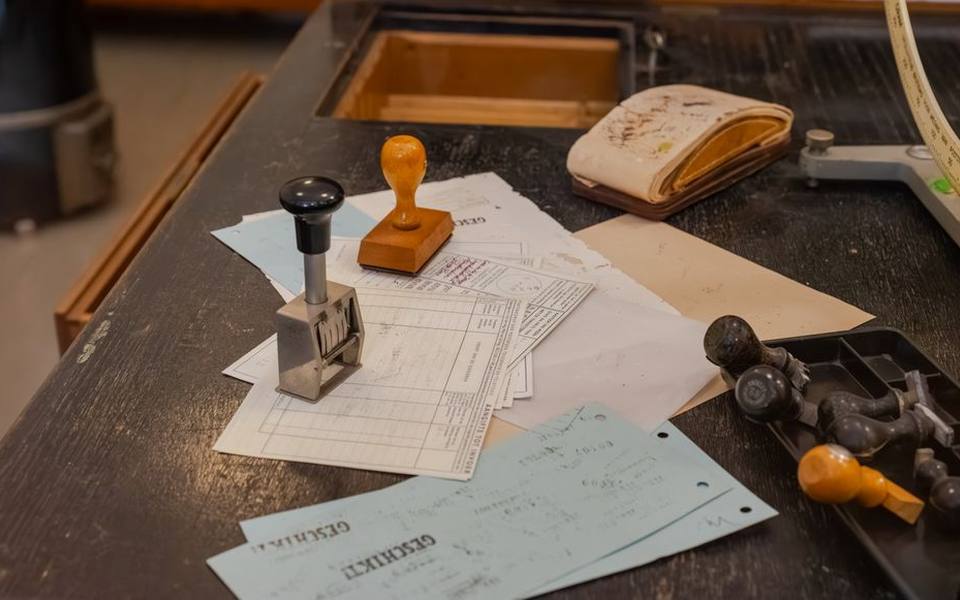
An individual seeking an expedited federal record check for foreign use often works through an FBI-approved channeler. These specialized, audited private contractors are legally permitted to collect an applicant’s electronic fingerprints, interface directly with the federal criminal database, and return the official background report within hours rather than weeks. However, applicants must confirm their citizenship or permanent residency status, as federal regulations place restrictions on channeler usage for non-US citizens requesting individual record summaries.
Once the official federal background report is generated, foreign authorities typically mandate that the document be authenticated before they will recognize its legal validity. Because the report is a federal document issued by a United States agency, individual states cannot certify it locally. Instead, applicants must secure an official apostille service through the United States Department of State in Washington, D.C., which attaches a specialized authentication certificate recognized by all member nations of the Hague Apostille Convention.
Regional Nuances and State Agency Rules
While federal background frameworks follow uniform national guidelines, state-level fingerprint protocols vary widely from one jurisdiction to another. A live scan submission initiated in one state cannot be routed automatically to another state's criminal justice division, because state repositories maintain separate legislative authorities, dedicated software portals, and distinct privacy safeguards. Understanding your state's specific agency workflow is critical to avoiding duplicate testing and redundant application expenditures.
In the western United States, for example, the California Department of Justice manages a deeply integrated, proprietary network that handles hundreds of thousands of applicant transactions annually. Individuals completing background screenings through notaries in California or certified state rollers must utilize official state forms featuring three-part carbonless or digital copies. Out-of-state applicants seeking California occupational licenses cannot use local live scan machines in their home towns; they typically must submit traditional ink cards on form FD-258 to Sacramento for manual digitizing.
Other states operate under distinct regulatory models designed around specialized demographic requirements. In the southeast, for instance, notaries in Florida and background technicians frequently process Level 2 background screenings governed by the Agency for Health Care Administration. This system mandates the electronic capture of both digital fingerprints and an immediate photographic portrait at the terminal. Knowing the precise regional rules governing your home state or destination state ensures your submission satisfies every legal prerequisite on the very first try.
Published 2026-09-20 · reviewed with each rebuild, last September 2026.
Find notaries near you
The directory lists 5,516 notaries by state and city — pick your state or use the “Near me” button in the header.
More guides
-
 Service
A Practical Guide to Power of Attorney: What It Means, Typical Costs, and Proper Execution
-
 Service
Where and How to Get Fingerprinted for an FBI Background Check
-
 Owning
Understanding Real Estate Deeds: Transfer on Death, Deed of Trust, and Mortgages
-
 Service
What Is an Apostille? How to Get Birth Certificates and Documents Apostilled
-
 Service
Do Banks Notarize Documents? Free Branch Options, Notary Fees, and Licensing Guide
-
 Owning
Essential Legal Documents: Bills of Sale, Estate Affidavits, and Corporate Records
-
 Money
MoneyHow Much Does a Notary Cost? Standard Fees, Travel Rates, and Extra Charges Explained
-
 Owning
Which Documents Need to Be Notarized? Leases, Notes, and Directives Explained
-
 Buying
Complete Bill of Sale Guide: Vehicle, Boat, and General Templates
-
 Service
Form I-9 Employment Eligibility Verification: Acceptable Documents and Rules
-
 Service
LLC Formation Documents, Residence Proof Affidavits, and Legal Verification
-
 Owning
How to Become a Notary Public: Supplies, Stamps, Training, and E&O Insurance
-
 Service
Fingerprinting and Live Scan Background Checks: Methods, Locations, and Cards
-
 Service
A Consumer Guide to Notary Public Services and Remote Online Notarization
-
 Service
Estate Planning Essentials: Wills, Codicils, and Healthcare Power of Attorney
-
 Buying
Vehicle Bill of Sale and Title Transfer Notarization Guide
-
 Service
Form I-9 Employment Verification and Identity Proofing Guide
-
 Service
Notary Training, Commissioning, Bonding, and E&O Insurance Guide
-
 Owning
A Complete Guide to Power of Attorney: Types, Forms, and Execution
-
 Money
MoneyHome Refinance and Cash-Out Mortgage Guide: Loan Closing, Rates, and Calculations
-
 Buying
Vehicle Title Transfer and Bill of Sale Guide: DMV Process, Forms, and Notarization
-
 Owning
Estate Planning and Real Estate Document Guide: Wills, Deeds, and Affidavits
-
 Owning
Articles of Incorporation and Corporate Filing Guide: LLCs, Nonprofits, and Bylaws
-
 Buying
Essential Notary Supplies Guide: Stamps, Embossing Seals, Journals, and Scanners
-
 Service
Remote Online Notarization and Mobile Notary Services Guide: How It Works and Costs
-
 Safety
Minor Travel Consent and Passport Documentation Guide: Forms, Rules, and Notarization
-
 Service
International Document Apostille, USCIS Translation, and Legalization Guide
-
 Money
MoneyProperty Tax Appeal and Protest Guide: Process, Filing Forms, and Representation
-
 Buying
Motor Vehicle Bills of Sale and Title Transfers: A Complete Guide
-
 Money
MoneyA Practical Guide to 401(k) Hardship Withdrawals and Emergency Access
-
 Owning
Heavy-Duty Fasteners, Scanners, and Document Handling Equipment for Notaries
-
 Service
Live Scan Fingerprinting, Background Checks, and Identity Verification: A Complete Practical Guide
-
 Service
Notary Public Training, Essential Supplies, and Digital Workflow Guide
-
 Owning
Corporate Formation and Governance: Articles of Incorporation and Board Minutes
-
 Buying
Vehicle Bill of Sale and Title Transfer Notarization Guide
-
 Service
A Practical Guide to Affidavits, Proof of Residency, and Identity Declarations
-
 Money
MoneyMortgage Cash-Out Refinancing: Equity Rules, Liens, and Closing Procedures
-
 Service
Certified Translation Services and State Department Legalization
-
 Service
A Practical Guide to Fingerprinting Services, LiveScan, and Identity Verification