The Fundamental Purpose of Notary Public Services
A notary public acts as an officially commissioned, impartial witness appointed by the state to deter fraud and protect the integrity of everyday legal transactions. When someone signs a deed, a financial agreement, or a sworn declaration, third parties need assurance that the person executing the document is genuinely who they claim to be. The notary verifies identity, checks that the signer is acting voluntarily rather than under coercion, and confirms that they understand the nature of the transaction before any stamp or signature is affixed.
The services of a notary public are deliberately administrative rather than advisory. While an attorney drafts contracts or gives legal counsel, a notary has a strict legal boundary: they verify identity, administer oaths when required, and record the transaction in an official journal. A notary cannot evaluate whether signing an agreement is financially wise, nor can they draft or edit clauses on your behalf unless they are also a licensed attorney. Their sole responsibility is to witness the execution of paperwork properly under state guidelines.
Knowing how these services operate saves hours of frustration, especially when handling urgent personal business like purchasing real estate or settling an estate. Most rejections happen not because a document was invalidly written, but because the notarization failed a procedural step, such as using an incorrect certificate or presenting invalid identification. Understanding what to bring, what questions to expect, and how the official seal functions ensures your paperwork clears county recorders, court clerks, and corporate compliance departments smoothly.
Distinguishing Between Acknowledgments, Jurats, and Affidavits
Nearly every notarization falls into one of two primary categories: an acknowledgment or a jurat. An acknowledgment is used when you need to confirm that you signed a document willingly. The document may actually be signed prior to meeting the notary, though you must appear in person or on a secure video link to acknowledge that the signature is indeed yours. Real estate deeds, powers of attorney, and corporate agreements almost universally require an acknowledgment certificate.
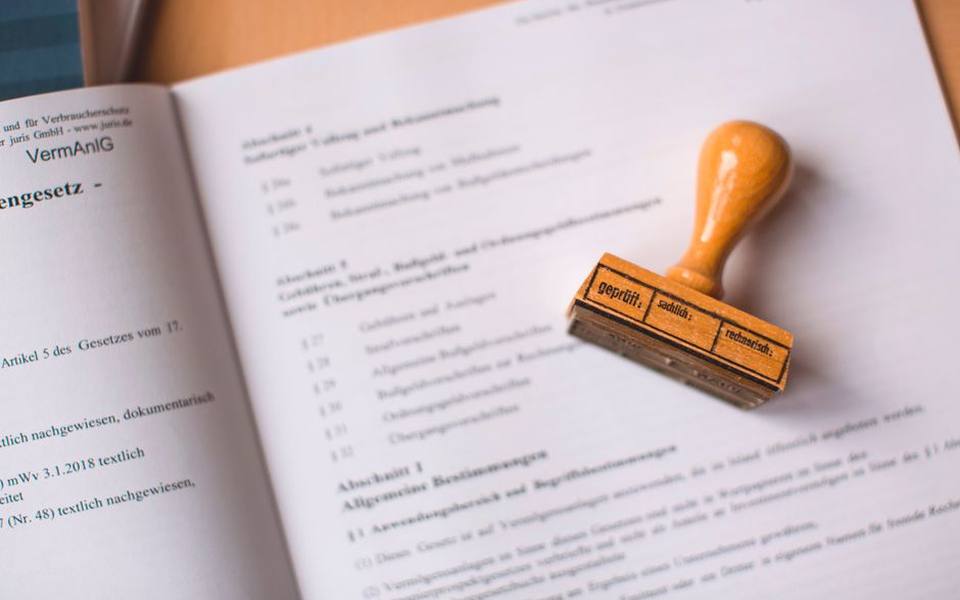
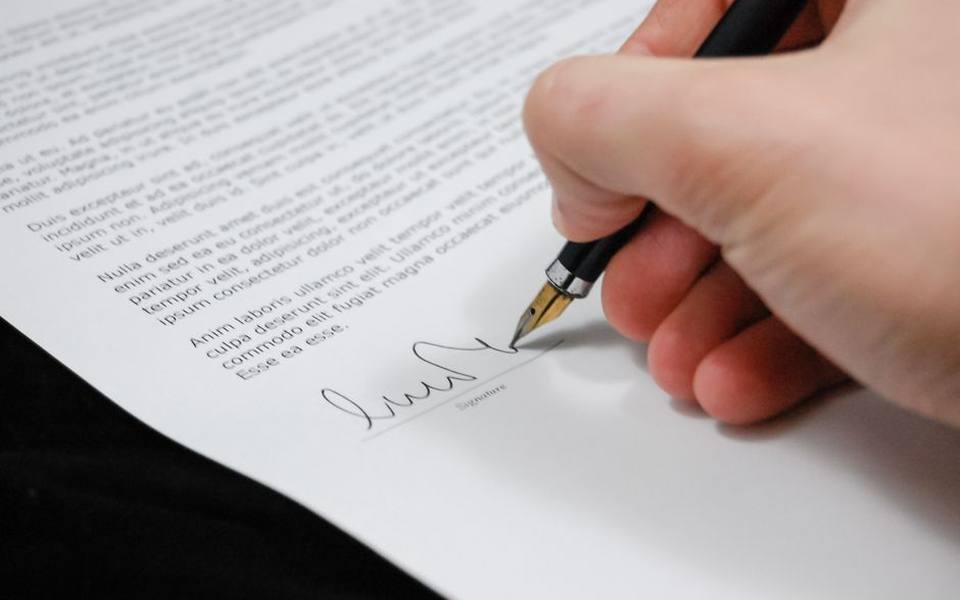
A jurat operates under an entirely different standard because it involves an oath or affirmation. When executing a jurat, you cannot sign the document in advance under any circumstances. You must sign the paperwork directly in the presence of the official, who then requires you to swear or affirm under penalty of perjury that the statements within the document are true. Jurats are standard for depositions, sworn court filings, and vehicle title transfers in certain jurisdictions.
A notary public affidavit is simply a written statement of facts verified under an oath administered through a jurat. If an institution asks for an affidavit, they require legal accountability for the statements made on the paper, meaning criminal penalties could apply if the statements prove false. If you are unsure which certificate your recipient needs, you must contact the receiving agency or an attorney, because notaries are prohibited by law from choosing the certificate type for you.
The Shift Toward Remote Online Notarization
In recent years, state legislatures have widely adopted statutes permitting remote online notarization, commonly referred to as RON. Rather than traveling to a physical office, signers complete the entire process through encrypted audiovisual communication. This process is not a casual phone video chat; it relies on specialized platforms engineered to meet state regulatory standards for tamper-evident digital seals, session recordings, and multi-layered identity verification.
When you notarize on line, your physical presence is replaced with digital presence, but the legal obligations remain identical. You communicate directly with a commissioned notary who views your government identification, witnesses your digital signature via an electronic signing module, and attaches an encrypted x.509 digital certificate. This certificate locks the document; if anyone alters a single character or comma after the session concludes, the cryptographic seal visibly breaks and invalidates the file.
Choosing an online notary service provides substantial flexibility for individuals living in rural areas, military personnel stationed abroad, or business owners juggling packed schedules. Most transactions take fifteen minutes or less once your documents are uploaded. However, acceptance depends on the receiving entity, so you should always verify whether your local county clerk, bank, or title company accepts an electronically signed and stamped PDF before booking a session.
Identity Verification Standards for Digital Sessions
Because the notary is not standing directly in front of you during remote sessions, identity verification involves a rigorous multi-step protocol. In most states authorizing online notarization services, signers must complete Knowledge-Based Authentication (KBA) before connecting with the official. This requires answering five private questions drawn from public records and credit history within a two-minute window, achieving a passing score of at least eighty percent to proceed.
Following knowledge-based screening, you complete credential analysis by capturing high-resolution photographs of your government-issued photo identification using your smartphone or webcam. The automated platform analyzes the security features, holograms, microprinting, and machine-readable zones on your driver's license or passport to confirm the document is authentic and unexpired. Only after the automated system clears your credential does the live video meeting begin with the commissioned notary.
During the video exchange, the notary visually inspects your face against the photographic credential and prompts you with questions to gauge mental awareness and voluntary consent. The entire audio and video session is recorded and stored in an encrypted repository for a retention period that typically spans five to ten years, depending on state administrative rules. This audit trail provides an exceptional level of fraud protection that paper transactions rarely match.
Locating In-Person Help and Local Options
When an electronic signature is not accepted or you prefer handling original paper documents, finding an experienced notary public close to me usually starts with local retail hubs and community institutions. Thousands of storefronts provide notary desks as a secondary service, making walk-in appointments relatively simple during normal commercial hours. You can search verified professionals across the country using an independent notary directory to find certified signers nearby.
Public municipal buildings represent another reliable, often overlooked destination for in-person notarizations. City halls, county clerk departments, and public libraries frequently keep staff members on duty who hold active state commissions. These offices regularly assist residents with local permits, homestead exemptions, and municipal affidavits, offering an accessible alternative when private retail storefronts are crowded or closed for holidays.
Before you head out the door, take a few minutes to confirm that a commissioned staff member is actually present on that specific day. Retail locations often rely on one or two employees whose schedules rotate, meaning the notary may be out on lunch or scheduled for a different shift. A quick phone call ensures you do not travel across town only to discover that the store cannot service your document.
Evaluating Free Options Against Retail Counters
Consumers often wonder whether they can secure a notary public free of charge, and the answer is frequently yes if you know where to look. Many national and regional retail banks offer complimentary notarizations for their existing account holders. If you maintain a checking, savings, or mortgage account with a commercial bank or credit union, you can usually schedule an appointment at your local branch to have your signatures witnessed without paying a fee.

However, bank notaries often operate under internal corporate restrictions designed to mitigate institutional liability. Many branches prohibit their staff from signing real estate deeds, complex trusts, wills, or documents that require foreign language translation. In those instances, relying on a dedicated retail counter, such as a notary public ups store or private mailbox center, becomes necessary. These commercial centers charge standard statutory rates but handle a significantly broader range of general paperwork.
Retail counters provide walk-in convenience and flexible operating hours, but staff turnover can lead to varying degrees of practical experience. If you are presenting a standard car title or bill of sale, a retail clerk can finish the job in minutes. If you are handling intricate estate documents, probate filings, or commercial agreements, hiring an independent professional with specialized credentials may save you from administrative headaches later.
Understanding Statutory Fees and Travel Charges
Every state government establishes a maximum statutory notary service charge that an official may assess per signature, stamp, or verbal oath. In most states, standard signature fees range anywhere from two dollars up to fifteen dollars per notarial act. Some states allow slightly higher fees for remote online sessions to offset the technology and archiving costs associated with secure digital platforms. A notary cannot arbitrarily invent their own per-signature fee beyond their state's published cap.
While per-signature rates are strictly capped by law, mobile notaries who travel directly to your home, office, or hospital room are allowed to charge separate travel and administrative fees. These travel rates are typically agreed upon in advance between the client and the mobile professional. The travel charge accounts for drive time, mileage, parking, and after-hours availability, which is why a mobile visit costs noticeably more than walking into a neighborhood branch.
Transparency is critical when hiring any independent signer. Reputable mobile professionals provide a clear itemized breakdown showing the state-mandated notarial fee separate from the travel or convenience expense before dispatching to your location. Always ask for this fee confirmation in writing or via email ahead of time to avoid misunderstandings once the paperwork is completed.
Handling Complex Powers of Attorney and Legal Filings
Certain transactions carry immense legal weight and demand extraordinary care from both the signer and the witnessing official. Documents like durable powers of attorney, healthcare directives, and living trusts grant substantial authority over personal finances and medical choices. For these sensitive transactions, working with professionals who specialize in power of attorney and legal paperwork notarization helps safeguard the transaction against future legal challenges.
A major challenge with powers of attorney is verifying mental capacity and willingness. If a family member is ill, medicated, or hospitalized, a diligent notary will speak directly with the signer outside the presence of eager relatives to ensure the individual is acting entirely of their own free will. If the signer appears disoriented, cannot state what document they are executing, or seems pressured, the notary is legally required to refuse the signing.
In addition to personal directives, complicated real estate conveyances and loan packages require specialized oversight. Escrow officers and lenders routinely engage dedicated loan signing agents who know how to navigate hundred-page mortgage stacks without missing critical dates, initials, or jurat acknowledgments. Having seasoned guidance on complex paperwork prevents expensive loan funding delays or rejected county recording submissions.
Scheduling Accommodations Beyond Standard Business Hours
Life emergencies and time-sensitive transactions do not stop at five o'clock on Friday afternoon. Whether you are dealing with an urgent bail bond filing, a real estate closing deadline, or an unexpected medical directive at a hospital, locating assistance during nights and weekends is essential. Utilizing after-hours mobile notaries allows signers to obtain legally binding notarizations whenever an unexpected deadline strikes.

Hospital and nursing home notarizations require unique preparation. Signers must have unexpired government identification, which can be challenging if an elderly individual has allowed their driver's license to lapse. In states where acceptable, credible identifying witnesses who personally know the signer and possess valid ID can step in to verify their identity under oath. Coordinating these logistical details with the notary before they drive to the medical facility prevents wasted visits.
Weekend and late-night visits command premium pricing because of the on-call nature of the service. You can anticipate paying a higher travel fee for a midnight hospital emergency than for an afternoon meeting at a local coffee shop. Despite the higher cost, having an on-call professional ready to travel provides peace of mind when critical family or legal matters hang in the balance.
Preventing Common Mistakes That Invalidate Paperwork
The single most frequent error signers commit is completing their signatures on the document before meeting the notary. If your paperwork requires an acknowledgment, early signing is technically allowable provided you personally appear to acknowledge the mark, but if the paperwork demands a jurat or affidavit, an early signature completely invalidates the act. The safest protocol is simple: fill in all blank spaces on the forms ahead of time, but leave every signature line completely blank until instructed to sign.
Another common stumbling block involves identification cards. A notary public cannot accept an expired driver's license or a photocopied ID card unless explicit state statutory exceptions apply, such as limited grace periods for military personnel or senior citizens. Check the expiration dates on your passport, state ID, or driver's license days in advance. If your legal name has changed due to marriage or court order, ensure you bring supporting legal records to reconcile discrepancies.
Finally, ensure your paperwork is entirely complete before presenting it. A notary is legally barred from notarizing any document that contains blank lines, missing pages, or incomplete disclosures, as leaving blanks allows unauthorized parties to insert fraudulent terms after the seal is applied. Carefully review every paragraph, cross out inapplicable blank lines if instructed, and verify all accompanying exhibit pages are present before your appointment begins.
Published 2026-09-20 · reviewed with each rebuild, last September 2026.
Find notaries near you
The directory lists 5,516 notaries by state and city — pick your state or use the “Near me” button in the header.
More guides
-
 Service
A Practical Guide to Power of Attorney: What It Means, Typical Costs, and Proper Execution
-
 Service
Where and How to Get Fingerprinted for an FBI Background Check
-
 Owning
Understanding Real Estate Deeds: Transfer on Death, Deed of Trust, and Mortgages
-
 Service
What Is an Apostille? How to Get Birth Certificates and Documents Apostilled
-
 Service
Do Banks Notarize Documents? Free Branch Options, Notary Fees, and Licensing Guide
-
 Owning
Essential Legal Documents: Bills of Sale, Estate Affidavits, and Corporate Records
-
 Money
MoneyHow Much Does a Notary Cost? Standard Fees, Travel Rates, and Extra Charges Explained
-
 Owning
Which Documents Need to Be Notarized? Leases, Notes, and Directives Explained
-
 Buying
Complete Bill of Sale Guide: Vehicle, Boat, and General Templates
-
 Service
Form I-9 Employment Eligibility Verification: Acceptable Documents and Rules
-
 Service
LLC Formation Documents, Residence Proof Affidavits, and Legal Verification
-
 Owning
How to Become a Notary Public: Supplies, Stamps, Training, and E&O Insurance
-
 Service
Fingerprinting and Live Scan Background Checks: Methods, Locations, and Cards
-
 Service
Estate Planning Essentials: Wills, Codicils, and Healthcare Power of Attorney
-
 Buying
Vehicle Bill of Sale and Title Transfer Notarization Guide
-
 Service
Live Scan Fingerprinting and FBI Background Check Services Guide
-
 Service
Form I-9 Employment Verification and Identity Proofing Guide
-
 Service
Notary Training, Commissioning, Bonding, and E&O Insurance Guide
-
 Owning
A Complete Guide to Power of Attorney: Types, Forms, and Execution
-
 Money
MoneyHome Refinance and Cash-Out Mortgage Guide: Loan Closing, Rates, and Calculations
-
 Buying
Vehicle Title Transfer and Bill of Sale Guide: DMV Process, Forms, and Notarization
-
 Owning
Estate Planning and Real Estate Document Guide: Wills, Deeds, and Affidavits
-
 Owning
Articles of Incorporation and Corporate Filing Guide: LLCs, Nonprofits, and Bylaws
-
 Buying
Essential Notary Supplies Guide: Stamps, Embossing Seals, Journals, and Scanners
-
 Service
Remote Online Notarization and Mobile Notary Services Guide: How It Works and Costs
-
 Safety
Minor Travel Consent and Passport Documentation Guide: Forms, Rules, and Notarization
-
 Service
International Document Apostille, USCIS Translation, and Legalization Guide
-
 Money
MoneyProperty Tax Appeal and Protest Guide: Process, Filing Forms, and Representation
-
 Buying
Motor Vehicle Bills of Sale and Title Transfers: A Complete Guide
-
 Money
MoneyA Practical Guide to 401(k) Hardship Withdrawals and Emergency Access
-
 Owning
Heavy-Duty Fasteners, Scanners, and Document Handling Equipment for Notaries
-
 Service
Live Scan Fingerprinting, Background Checks, and Identity Verification: A Complete Practical Guide
-
 Service
Notary Public Training, Essential Supplies, and Digital Workflow Guide
-
 Owning
Corporate Formation and Governance: Articles of Incorporation and Board Minutes
-
 Buying
Vehicle Bill of Sale and Title Transfer Notarization Guide
-
 Service
A Practical Guide to Affidavits, Proof of Residency, and Identity Declarations
-
 Money
MoneyMortgage Cash-Out Refinancing: Equity Rules, Liens, and Closing Procedures
-
 Service
Certified Translation Services and State Department Legalization
-
 Service
A Practical Guide to Fingerprinting Services, LiveScan, and Identity Verification