How Digital Live Scan Fingerprinting Works
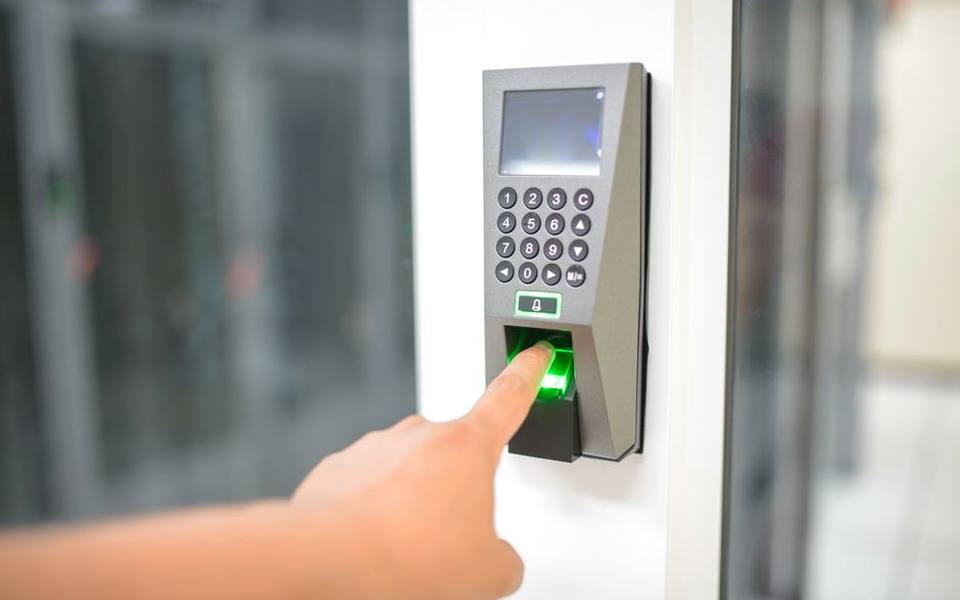
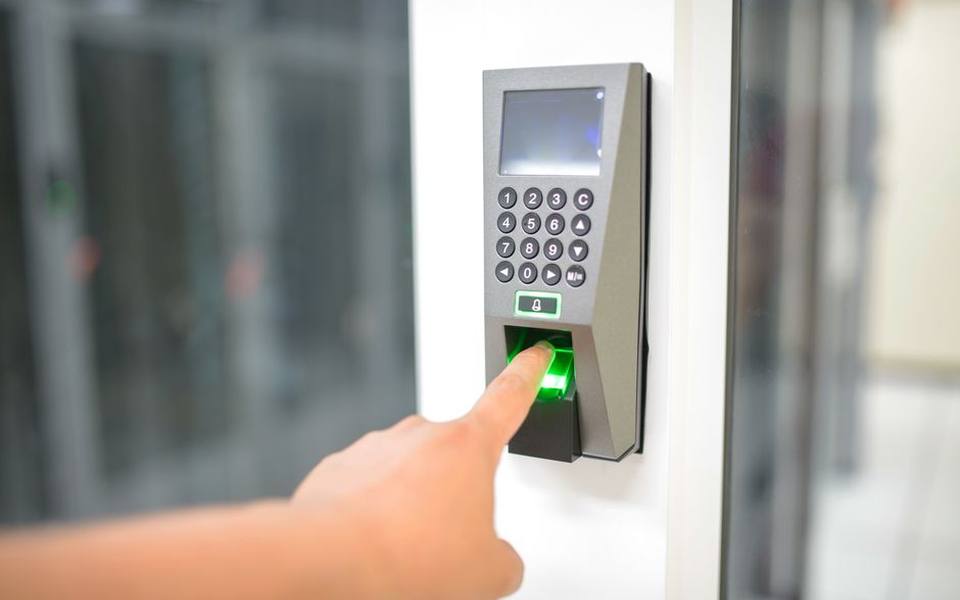
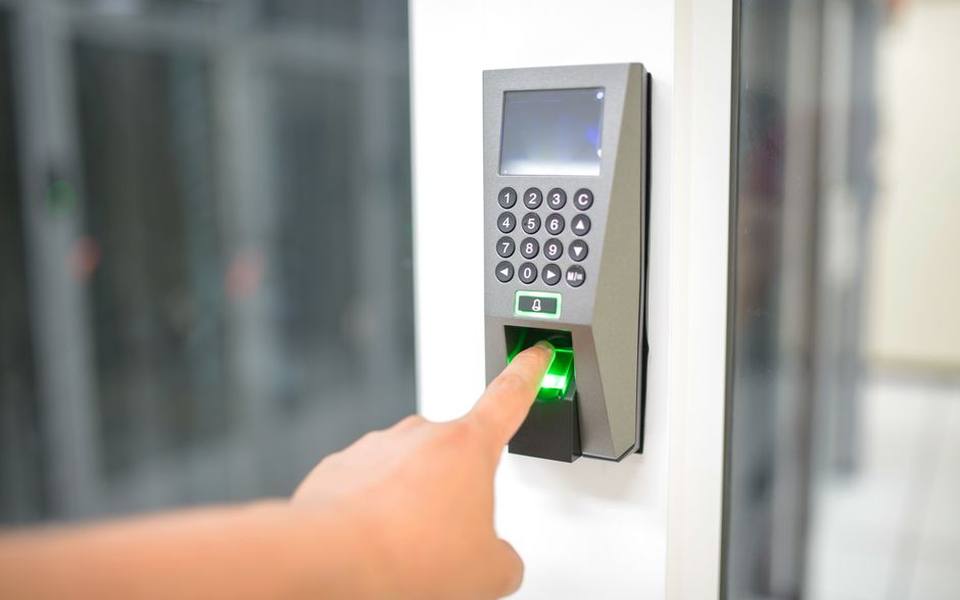
Live Scan fingerprinting is an inkless, electronic method used to capture friction ridges from an individual's fingers and palms, immediately transmitting that biometric data to government clearinghouses. Decades ago, obtaining criminal history records required rolling fingertips across messy ink pads and mailing paper cards to law enforcement repositories. Today, specialized optical glass scanners record high-resolution impressions in seconds, cross-referencing ridges and valleys to ensure capture quality before the data leaves the terminal.
When an applicant places their fingers onto the glass platen, specialized enrollment software evaluates the ridge fidelity, contrast, and minutiae points against strict National Institute of Standards and Technology benchmarks. If an impression is smudged, faint, or improperly aligned, the software prompts the technician to clean the glass or reposition the finger. This real-time validation drastically reduces rejection rates compared to historical hard-card processing, allowing state and federal repositories to process files with minimal delay.
Once captured, your digital records are packaged into an encrypted data file containing your demographic details, agency routing codes, and biometric image files. This package travels across secure electronic networks directly to the intended reviewing body, such as a state bureau of investigation or federal database. The receiving agency runs the prints against known criminal files, generating an automated report sent straight to your requesting employer, licensing board, or regulatory agency.
State Department of Justice Submissions Versus Federal Reviews
Navigating background checks often means distinguishing between state-level repositories and national federal files. A Department of Justice Live Scan typically refers to a state-level inquiry handled by an agency like the California Department of Justice or Florida Department of Law Enforcement. These state reviews query criminal histories, active warrants, arrest records, and court dispositions occurring strictly within that specific state's geographic boundaries.
In contrast, an FBI Identity History Summary Check provides a nationwide aggregation of arrest records, federal proceedings, military court records, and submissions from law enforcement jurisdictions across all fifty states. Often referred to colloquially as an FBI clearance or rap sheet, this comprehensive federal review is mandatory for immigrant petitions, international adoption, financial sector clearances, and individuals seeking foreign work visas.
Certain professions require a dual submission where a single appointment transmits electronic prints simultaneously to both state investigators and the FBI. Your requesting entity determines the scope of the search based on statutory licensing mandates. If you are applying for professional licensure or volunteer work, your formal intake sheet will specify whether you owe state processing fees, federal screening charges, or a bundled combination of both.
Authorized Enrollment Networks and Local Fingerprint Providers
Finding an authorized enrollment provider depends on the exact network your requesting employer or licensing board utilizes. Major identity management contractors, such as IDEMIA, maintain vast networks across the country through their IdentoGO live scan infrastructure. These IdentoGO fingerprinting locations operate in dedicated enrollment centers, county administrative buildings, and partnered third-party storefronts to handle standardized state and federal screening contracts.
In addition to dedicated enrollment centers, many applicants utilize local retail shipping counters that partner with certified biometric software providers. It is increasingly common to complete a Live Scan at a UPS Store counter or local private pack-and-ship business that holds municipal or state law enforcement authorization. Independent regional offices, including operations like Identico fingerprinting and drug testing facilities, also serve applicants by pairing electronic fingerprinting with urine or hair screening services for pre-employment compliance under one roof.
Before scheduling an appointment at any neighborhood facility, confirm that the center supports your specific state or federal form. Some private fingerprint desks only handle specific state Department of Justice live scan transmissions, while others hold authorization to process direct-to-FBI electronic summary inquiries or traditional physical fingerprint cards. Verifying network compatibility beforehand prevents wasted trips and duplicate processing fees.
Acceptable Identification and Persona Identity Verification Protocols
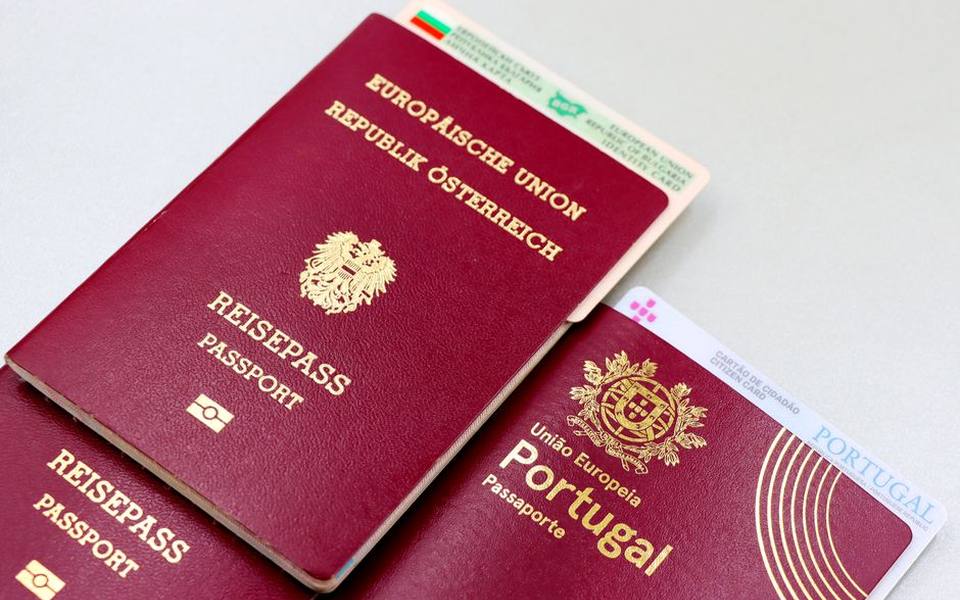
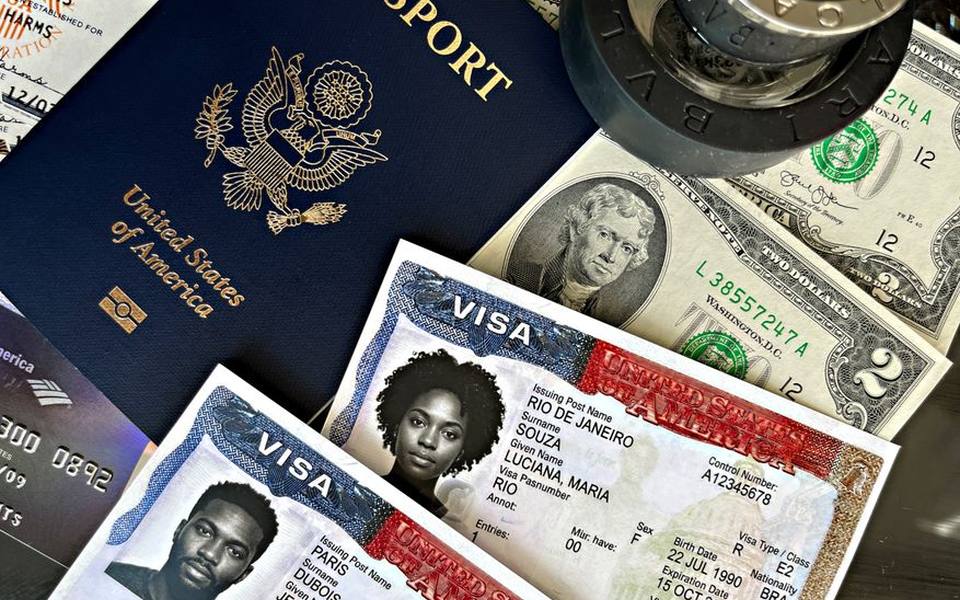
Every certified fingerprinting session begins with strict in-person identity verification to prevent proxy testing or fraudulent submissions. Biometric technicians must examine unexpired, government-issued photo identification before your hands ever touch the glass scanner. Acceptable primary documents typically include a valid state driver's license, Department of Motor Vehicles identification card, United States passport, foreign passport with an active visa stamp, or permanent resident card.
Technicians follow rigid identity guidelines to confirm that the full legal name, date of birth, and physical appearance match the individual standing in the office. In high-security vetting, digital systems may run Persona ID verification routines or document validation scans to inspect holographic bands, microprinting, and machine-readable barcodes on driver's licenses. These automated checks ensure that the physical credential is authentic and not a forged reproduction designed to bypass background scrutiny.
If your legal name has changed due to marriage, divorce, or court decree, bring certified supporting documentation such as a marriage certificate or certified name-change order. Fingerprint technicians are bound by state operating agreements and cannot alter the demographic data entered on your agency routing form. Presenting mismatched credentials or expired paperwork will result in immediate cancellation of your enrollment session until updated identity documents can be supplied.
Biometric Standards and Notarial Journal Thumbprint Identification
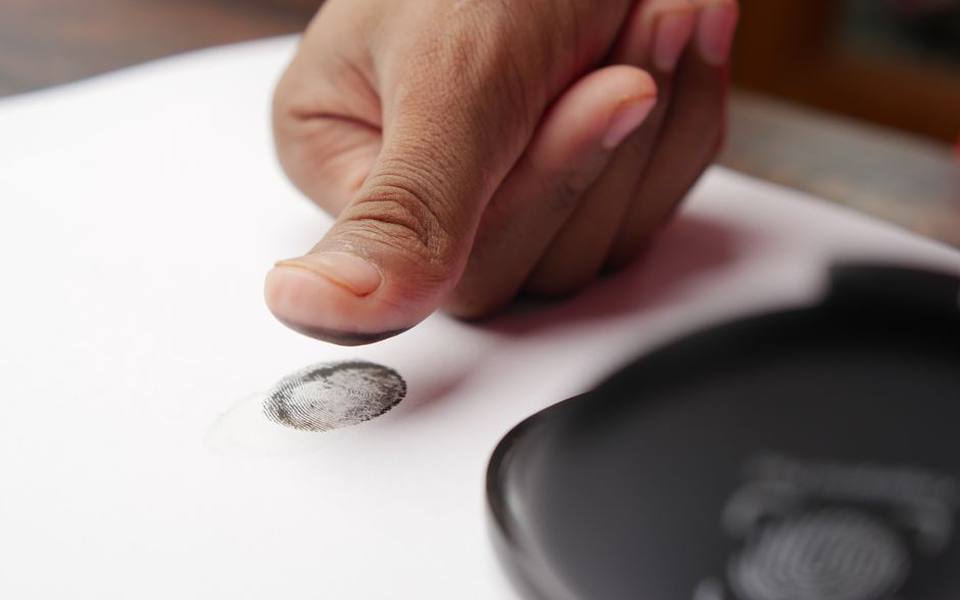
Fingerprint identification principles extend beyond criminal background checks and play an indispensable role in preventing document fraud in civil legal transactions. Biometric capture relies on matching unique minutiae characteristics, including ridge endings, bifurcations, and short ridges across the human finger pad. Because friction ridge patterns develop before birth and remain largely unchanged throughout life, they provide definitive proof of physical presence.
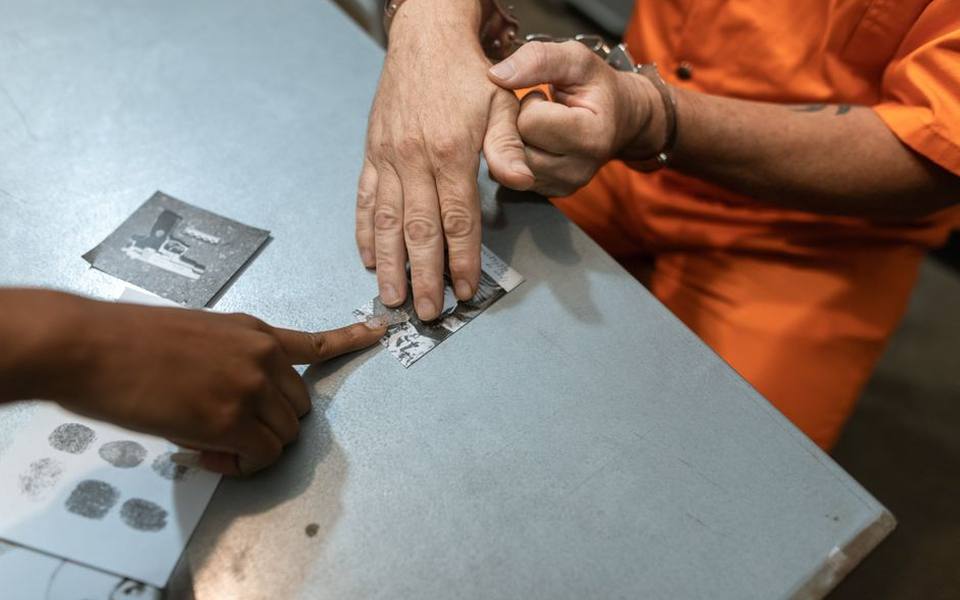
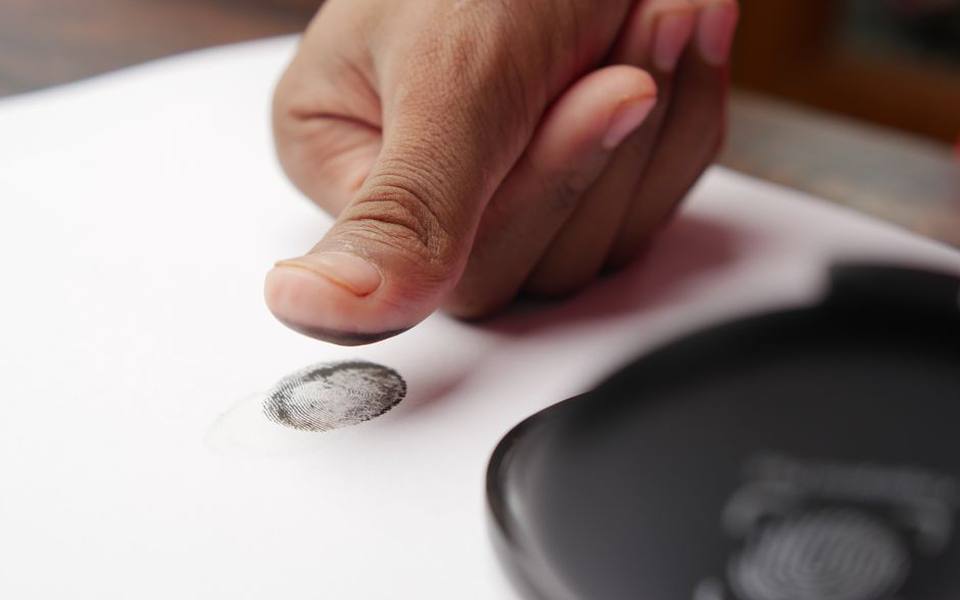
This same principle drives statutory thumbprint identification requirements during high-stakes document signings. In jurisdictions like the Western states, signers executing real property conveyances or powers of attorney must press their thumb onto inkless pads inside official notary registers. If you are meeting with notaries in California, state law explicitly requires a clear journal thumbprint for transactions affecting real estate titles or deeds of trust.
While notarial journal prints are captured using ink pads rather than electronic Live Scan terminals, they serve an identical evidential purpose. If an individual later disputes executing a deed or claims identity theft, forensic handwriting and fingerprint examiners compare the notary's historical logbook impression directly against state friction ridge records. This permanent physical record protects both property owners and financial institutions from sophisticated title fraud schemes.
Securing an FBI Identity History Summary Check for Personal Use
While employment background checks are initiated by third-party organizations, individuals can also request their own FBI Identity History Summary Check directly from the Criminal Justice Information Services division. This personal request allows you to review your national record for accuracy, verify that an old dismissal was properly recorded, or satisfy foreign travel and immigration mandates. Many foreign governments demand an official federal summary prior to approving work permits, permanent residency, or teaching credentials abroad.
To obtain an expedited personal summary, applicants can complete an online registration through the federal portal, make an electronic payment, and visit a participating enrollment site or postal location to transmit their prints electronically. Digital submissions typically generate an electronic report within hours, whereas mailing physical FD-258 ink cards to the federal processing facility in West Virginia can take several weeks depending on agency backlog and postal transit times.
If you are submitting your federal summary check to a foreign embassy or overseas employer, the document will likely need an official government legalization certificate. Navigating international authentication requires working through specialized apostille notary services to obtain the proper seal from the United States Department of State in Washington, DC. Ensuring your fingerprints are cleanly captured on the initial attempt prevents delays when tight visa deadlines depend on timely federal clearances.
Mobile Biometric Enrollment and Flexible Notary Appointments
Corporate offices, healthcare systems, and executive teams often find it impractical to send dozens of employees to crowded off-site enrollment centers. To resolve this bottleneck, certified mobile fingerprinting technicians bring portable, laptop-based Live Scan units directly to client facilities. These mobile units utilize certified secure cellular hotspots and encrypted drives to perform full biometric captures, demographic validation, and real-time electronic transmissions on location.
Mobile biometric services frequently coordinate with other professional legal services during corporate onboarding or high-net-worth estate planning. For busy professionals who cannot break away during standard business hours, booking after-hours mobile notaries alongside certified biometric technicians creates a unified solution for notarizing corporate disclosures while simultaneously completing state licensing backgrounds on evenings or weekends.
Similarly, while modern remote online notaries (RON) can authenticate signatures across encrypted video feeds using digital identity verification tools, regulatory agencies still mandate physical biometric fingerprinting for background investigations. Hybrid workflows often combine remote identity validation for general contract execution with scheduled in-person or mobile biometric appointments to satisfy strict state licensing requirements without compromising compliance.
Licensing Requirements in Healthcare, Childcare, and Regulated Industries
Certain sectors enforce stringent statutory background screening standards due to public trust and vulnerable population safeguards. Healthcare professionals, certified nursing assistants, public school teachers, daycare operators, and armed security personnel are routinely subject to recurring Live Scan scrutiny. In many states, these clearances are managed through comprehensive registries that monitor licensees continuously, alerting administrative boards if an active practitioner is arrested.
State oversight frameworks often blend biometric fingerprinting with mandated clinical compliance screening. For example, individuals seeking licensing through state agency boards frequently turn to specialized clinics offering combined fingerprinting and occupational drug testing to fulfill all health and character mandates during a single appointment. These dual-service facilities streamline candidate screening, transmitting drug panel results to human resource departments while directing friction ridge data to regulatory authorities.
Licensing standards can vary considerably depending on regional legislation. In dynamic licensing environments where healthcare networks and real estate markets operate at high volume, such as finding qualified notaries in Florida and credentialed background providers, applicants must adhere to specific statutory clearinghouse levels. Understanding whether your occupational code requires Level 2 background screening or photo-enabled biometric capture ensures you arrive with the exact paperwork mandated by your governing board.
Preventing Common Scannability Issues and Rejections
Even advanced digital Live Scan systems occasionally struggle to capture readable impressions from certain individuals. Ridge wear is common among individuals who work extensively with their hands, such as construction workers, mechanics, or gardeners, as well as healthcare workers who wash their hands frequently with harsh antiseptics. Aging skin also loses natural elasticity and moisture, which can cause biometric scanners to register faint or broken ridge patterns that fail minimum resolution thresholds.
To minimize the risk of a technical rejection, take simple preventive measures in the days leading up to your fingerprinting appointment. Apply rich moisturizing lotion to your hands regularly for forty-eight hours prior to your visit to restore skin pliability, but avoid applying greasy creams or heavy petroleum jelly immediately before stepping up to the scanner. Excess oil can coat the optical glass platen, creating glare and hazy optical distortions that trigger automated system warnings.
If you have deep calluses, peeling skin, or minor cuts, inform the technician before enrollment begins. Certified operators understand how to adjust scanner brightness, apply specialized ridge-enhancing moisturizing pads, or utilize firm, guided pressure techniques to capture the best possible ridge definition. In the rare event that an applicant's prints are repeatedly rejected by government servers as unclassifiable, state agencies maintain alternative manual clearance procedures, such as a certified name-and-demographic search protocol.
Tracking Your Submission and Interpreting Results
After your fingerprint appointment concludes, the technician will provide you with a completed copy of your enrollment form or a computer-generated transaction receipt. This document contains vital reference data, most notably an Automated Transaction Identifier (ATI) or transaction control number. You should store this receipt securely, as this reference string is the only code that allows regulatory bodies to trace your submission if records are delayed.
Most state background divisions operate automated online tracking portals where applicants can enter their date of birth alongside their unique transaction identifier to check processing milestones. Standard electronic transmittals to state repositories often process within two to five business days, though processing times depend on administrative workload, staffing, and whether an applicant's historical records require manual file retrieval by an archivist.
Keep in mind that fingerprint enrollment technicians and retail centers do not receive, review, or store the contents of your background check results. State and federal agencies transmit background reports directly to the requesting employer, human resources department, or professional licensing board listed on your original routing form. If you suspect an error in your record or encounter an unexpected delay, contact your requesting state licensing board or the designated agency clearinghouse directly with your tracking number in hand.
Published 2026-09-20 · reviewed with each rebuild, last September 2026.
Find notaries near you
The directory lists 5,516 notaries by state and city — pick your state or use the “Near me” button in the header.
More guides
-
 Service
A Practical Guide to Power of Attorney: What It Means, Typical Costs, and Proper Execution
-
 Service
Where and How to Get Fingerprinted for an FBI Background Check
-
 Owning
Understanding Real Estate Deeds: Transfer on Death, Deed of Trust, and Mortgages
-
 Service
What Is an Apostille? How to Get Birth Certificates and Documents Apostilled
-
 Service
Do Banks Notarize Documents? Free Branch Options, Notary Fees, and Licensing Guide
-
 Owning
Essential Legal Documents: Bills of Sale, Estate Affidavits, and Corporate Records
-
 Money
MoneyHow Much Does a Notary Cost? Standard Fees, Travel Rates, and Extra Charges Explained
-
 Owning
Which Documents Need to Be Notarized? Leases, Notes, and Directives Explained
-
 Buying
Complete Bill of Sale Guide: Vehicle, Boat, and General Templates
-
 Service
Form I-9 Employment Eligibility Verification: Acceptable Documents and Rules
-
 Service
LLC Formation Documents, Residence Proof Affidavits, and Legal Verification
-
 Owning
How to Become a Notary Public: Supplies, Stamps, Training, and E&O Insurance
-
 Service
Fingerprinting and Live Scan Background Checks: Methods, Locations, and Cards
-
 Service
A Consumer Guide to Notary Public Services and Remote Online Notarization
-
 Service
Estate Planning Essentials: Wills, Codicils, and Healthcare Power of Attorney
-
 Buying
Vehicle Bill of Sale and Title Transfer Notarization Guide
-
 Service
Live Scan Fingerprinting and FBI Background Check Services Guide
-
 Service
Form I-9 Employment Verification and Identity Proofing Guide
-
 Service
Notary Training, Commissioning, Bonding, and E&O Insurance Guide
-
 Owning
A Complete Guide to Power of Attorney: Types, Forms, and Execution
-
 Money
MoneyHome Refinance and Cash-Out Mortgage Guide: Loan Closing, Rates, and Calculations
-
 Buying
Vehicle Title Transfer and Bill of Sale Guide: DMV Process, Forms, and Notarization
-
 Owning
Estate Planning and Real Estate Document Guide: Wills, Deeds, and Affidavits
-
 Owning
Articles of Incorporation and Corporate Filing Guide: LLCs, Nonprofits, and Bylaws
-
 Buying
Essential Notary Supplies Guide: Stamps, Embossing Seals, Journals, and Scanners
-
 Service
Remote Online Notarization and Mobile Notary Services Guide: How It Works and Costs
-
 Safety
Minor Travel Consent and Passport Documentation Guide: Forms, Rules, and Notarization
-
 Service
International Document Apostille, USCIS Translation, and Legalization Guide
-
 Money
MoneyProperty Tax Appeal and Protest Guide: Process, Filing Forms, and Representation
-
 Buying
Motor Vehicle Bills of Sale and Title Transfers: A Complete Guide
-
 Money
MoneyA Practical Guide to 401(k) Hardship Withdrawals and Emergency Access
-
 Owning
Heavy-Duty Fasteners, Scanners, and Document Handling Equipment for Notaries
-
 Service
Notary Public Training, Essential Supplies, and Digital Workflow Guide
-
 Owning
Corporate Formation and Governance: Articles of Incorporation and Board Minutes
-
 Buying
Vehicle Bill of Sale and Title Transfer Notarization Guide
-
 Service
A Practical Guide to Affidavits, Proof of Residency, and Identity Declarations
-
 Money
MoneyMortgage Cash-Out Refinancing: Equity Rules, Liens, and Closing Procedures
-
 Service
Certified Translation Services and State Department Legalization
-
 Service
A Practical Guide to Fingerprinting Services, LiveScan, and Identity Verification