Understanding What an Apostille Actually Is
An apostille is a specialized certificate issued by a designated government authority that verifies the authenticity of a public document for use in another country. Established under the 1961 Hague Apostille Convention, this certificate confirms the legitimacy of the signature, the capacity in which the signing official acted, and the identity of any stamp or seal affixed to the paperwork. Without this certification, foreign governments, immigration offices, and overseas universities usually reject foreign paperwork because their local officials have no way to verify domestic signatures.
When people ask about an apostille document, they are referring to this specific attachment rather than a standalone form. The apostille does not validate the truthfulness or contents of the underlying record itself. Instead, it serves as a standardized verification layer that bridges the gap between different legal systems. Once affixed, the receiving foreign jurisdiction accepts the document as legally valid without requiring lengthy consular legalization chains.
This simplified treaty applies strictly among participating member nations of the Hague Convention. If you need to present paperwork in a country that did not sign the treaty, your records must undergo a more complicated multi-step authentication process involving the U.S. Department of State and that country's embassy. Understanding which international treaty applies to your destination country saves weeks of unnecessary paperwork and administrative delays.
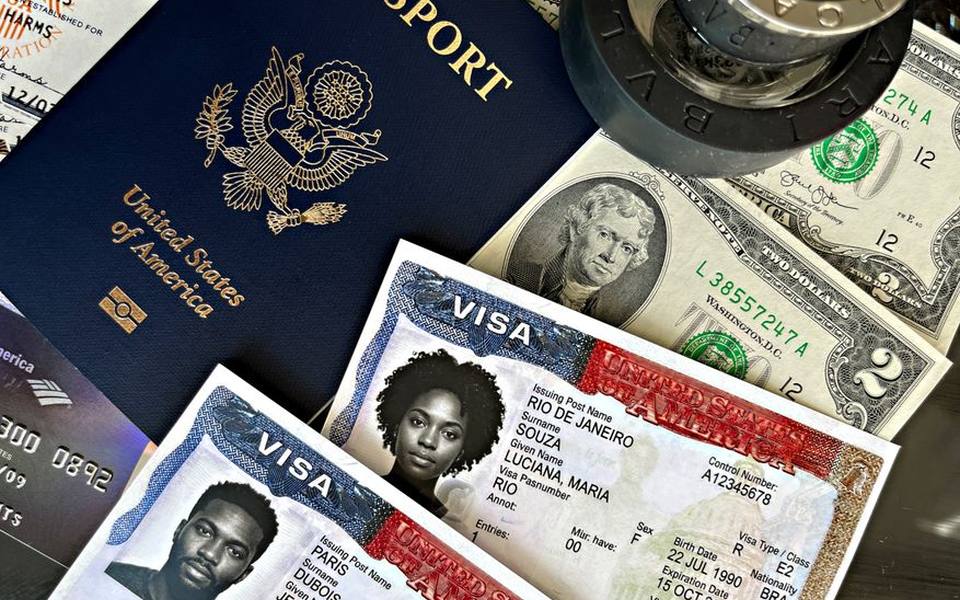
The physical certificate typically includes ten standard informational fields, including the country of origin, the identity of the signing public official, the issuing authority, the date, and a unique tracking serial number. Today, many state departments also include digital verification barcodes so foreign authorities can instantly verify the document's validity online.
Why Birth Certificates Require Foreign Authentication
A birth certificate is among the most requested records for international transactions, whether for dual citizenship claims, international marriages, overseas employment visas, or cross-border inheritance matters. When a foreign agency asks for an apostilled birth certificate, they mean they require your government-issued vital record accompanied by the official apostille certificate issued by the state where the birth took place.
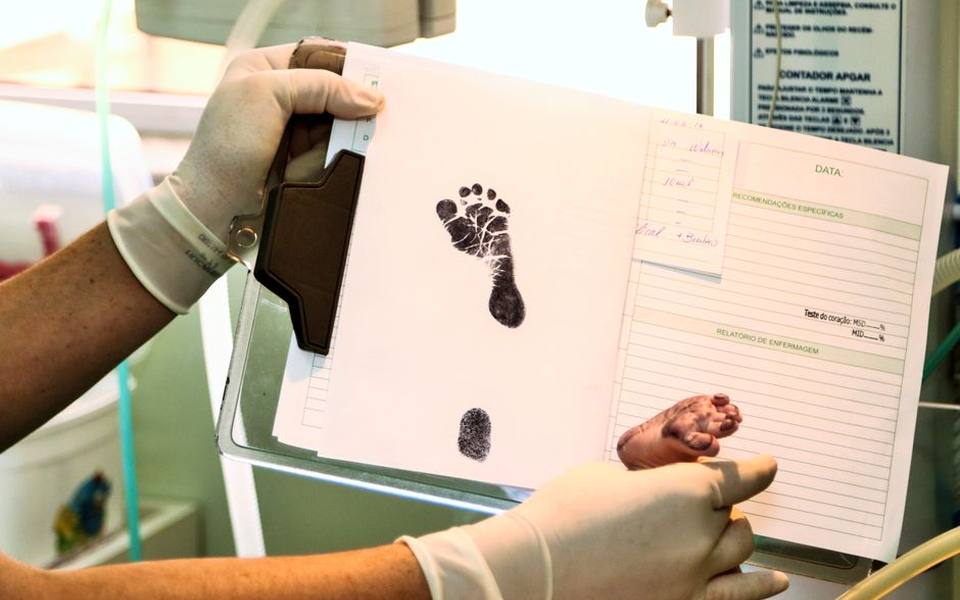
A common point of confusion involves the difference between an informational record and a certified vital document. You cannot simply download a hospital birth record, take a smartphone photo, or present an unofficial photocopy for an apostille. The paperwork must be an official certified copy issued by the state registrar or county clerk, bearing a raised seal, multicolored security paper, and the current registrar's signature.
Submitting an outdated or decorative souvenir certificate will result in immediate rejection by state apostille offices. Because state registrars rotate out of public office over time, state authentication departments maintain signature cards for historical registrars, but older certificates may still require reissuance. If your certified copy is decades old or physically damaged, obtaining a newly issued certified copy from the vital records bureau is often the safest first step.
Furthermore, vital records carry strict legal custody chains. Because a notary public cannot notarize a public record directly—notaries cannot attest to public documents that belong to state archives—the apostille must come directly from the state-level agency that maintains jurisdiction over that state's vital statistics division.
How Professional Apostille Services Assist the Process
Navigating state agencies, vital records departments, and foreign consulate requirements can feel overwhelming if you are unfamiliar with statutory filing rules. This is where Apostille Notary Services provide practical value for families and professionals facing tight overseas deadlines. These facilitators act as document coordinators who understand precisely which certificates qualify and how to direct them through government channels.
An apostille service provider reviews your original records before submission to catch common discrepancies, such as missing signatures, uncertified photocopies, or improper local notarizations. They manage the physical logistics, whether that involves standing in line at a state counter for same-day walk-in filing or packaging tracked express envelopes directly to state capitals. This eliminates the guesswork for clients who might otherwise wait weeks only to receive rejected paperwork by mail.
While private facilitators cannot alter state processing timelines or manufacture approvals, they minimize costly human error. Many individuals dealing with time-sensitive relocations or international adoptions rely on experienced coordinators to handle the entire chain of custody. For cross-border transactions involving affidavits or powers of attorney, these services also coordinate the initial notarization steps before state submission.
Where to Submit Records for Proper Legalization
A frequent question is where an individual can personally submit a birth certificate to obtain an apostille. In the United States, jurisdiction is determined by origin rather than residence. An apostille for a birth certificate must always be issued by the state government where the birth was originally registered, regardless of where you currently live or where you plan to travel.
In nearly all jurisdictions, the competent authority responsible for issuing apostilles is the Secretary of State's office, specifically its authentications or apostille division. If you were born in New York but currently live in California, you cannot submit your New York birth certificate to the California Secretary of State. The document must be processed through New York's Department of State in Albany or New York City.
Federal documents, on the other hand, follow a completely different jurisdiction. Consular reports of birth abroad, naturalization certificates, and FBI background checks cannot be authenticated by state authorities. Those records must be submitted directly to the Office of Authentications at the U.S. Department of State in Washington, D.C. Knowing whether your paperwork is municipal, state, or federal prevents misdirected mail and wasted processing fees.
Step-by-Step Guide to Getting Your Certificate Apostilled
The first step in securing an apostille for a birth certificate is verifying that your certified copy is eligible for authentication under current state guidelines. Examine the document to confirm it includes an official signature from the state registrar or county clerk, a verifiable seal, and clean paper without laminate or tape. If your record is laminated, states consider it tampered with and will reject it automatically.
Next, visit the website of the relevant Secretary of State to download their specific authentication request cover sheet. This form captures your contact details, the destination country where the paperwork will be presented, and return shipping instructions. Accurately naming the destination country is essential because treaty requirements dictate whether the state attaches a Hague apostille or an international authentication certificate.
When dealing with supplementary personal statements, foreign travel consents, or inheritance forms alongside a birth certificate, you may also need the assistance of Power of Attorney & Legal Paperwork Notaries to execute affidavits properly before state submission. Once assembled, package the certified vital record, the completed state application, payment for state filing fees, and a prepaid return envelope into a secure tracked mailer.
Processing times vary widely from state to state. While walk-in counter service in some state capitals can yield a same-day turnaround, mail-in requests typically take anywhere from a few business days to several weeks, depending on seasonal volumes and staffing levels. Keeping track of tracking numbers and filing receipts ensures you can monitor the document's progress.
State-Specific Rules: Authenticating Records in Texas
When handling vital records originating in the Lone Star State, applicants must follow specific procedures set by state authorities. If you are researching how to apostille a birth certificate in Texas, you must obtain a certified copy issued by the Texas Department of State Health Services (DSHS) Vital Statistics Unit in Austin, or an authorized local county registrar.

In Texas, the sole entity authorized to attach an apostille to public records is the Secretary of State Authentications Unit, located in the state capital of Austin. Those asking where to get an apostille in Texas have two primary options: submitting documents by mail to the Secretary of State's office or hand-delivering them to the public walk-in counter in the James Earl Rudder Building in downtown Austin.
The Texas Secretary of State requires a standard Form 2101 or a written request detailing the destination country, accompanied by the statutory state processing fee, which is typically around fifteen dollars per document. If you require local assistance preparing related legal declarations or accompanying affidavits in the region, connecting with experienced Notaries in Texas helps ensure initial paperwork complies with state guidelines before reaching Austin.
Understanding Notary Fees and Administrative Costs
Budgeting for international documentation requires distinguishing between what a notary public charges and what government agencies charge for state authentications. A notary public cannot charge arbitrary fees for standard notarial acts; instead, each state legislature sets maximum statutory fee limits per signature, which in most states range from a few dollars to fifteen dollars per notarial stamp.
However, statutory notarial fee caps apply only to the physical act of notarizing an acknowledgment or jurat. When working with a mobile notary who travels to your home, office, or hospital bedside, the professional can charge additional travel and administrative fees. These travel fees depend on mileage, time of day, and parking expenses, and they must always be disclosed and agreed upon before the appointment takes place.
When it comes to the apostille itself, the fee is paid directly to the Secretary of State or vital records office, not to an individual notary public. State filing fees typically range between five and thirty dollars per certificate depending on the state, though expediting and courier fees can increase the overall cost. Engaging an independent document facilitator will naturally carry separate service fees for managing the logistics on your behalf.
Navigating Retail Desks, Local Counters, and Municipal Offices
People running urgent personal errands often confuse everyday neighborhood service counters with authorized legal and municipal desks. When juggling international paperwork alongside routine personal tasks, individuals frequently ask where to handle unrelated financial chores, such as where to cash a lottery ticket or cash a money order, expecting that postal counters or retail notary desks handle all community transactions in one place.

In reality, commercial retail outlets, parcel shipping stores, and convenience counters offer strictly separated services. While a neighborhood grocery counter or convenience retailer can validate and cash winning lottery tickets up to standard retail thresholds, they cannot issue certified government records, authenticate foreign documents, or process state-level legal paperwork.
Similarly, while private shipping stores may host a notary public during business hours, that notary cannot issue an apostille directly over the counter. A notary public simply verifies the identity of a living signer on an affidavit. They cannot validate municipal birth certificates or bypass the state capital's authentication desk. Understanding which counter handles which task prevents wasted trips across town.
For certified vital records, your destination is always the municipal health department, county clerk, or state vital statistics bureau. For state authentications, your paperwork belongs with the Secretary of State. Keeping commercial retail errands separate from statutory government procedures saves time and avoids administrative headaches.
When to Use Online Notarization or Local Mobile Support
Modern technology has made notarizing related legal documents significantly more accessible through digital platforms. With Remote Online Notaries (RON), signers can complete identity verification and sign affidavits via secure two-way audio-video sessions without leaving their home or desk, provided state law and the destination authority recognize digital notarial acts.

However, remote online notarization cannot be used on vital records like birth certificates. Because birth certificates are government-issued archival records signed by state registrars, they cannot be digitally "re-notarized" online. RON is primarily useful when you need to sign a supporting affidavit of translation, a sworn statement of single status, or an adoption petition that must accompany your vital records abroad.
For situations where in-person identity verification is necessary outside standard banking hours, turning to After-Hours Mobile Notaries provides the flexibility required to finalize documents during evenings or weekends. Mobile practitioners meet clients on-site to witness urgent signatures, collect supporting documentation, and coordinate the initial stages of the authentication chain when deadlines are critical.
Common Mistakes That Delay Document Legalization
The most widespread reason state authentication offices reject apostille applications is the submission of non-qualifying certificates. Many applicants inadvertently submit informational hospital birth keepsakes with infant footprints or county-level certificates signed by officials whose signatures are not registered at the state level. Always confirm that your certificate bears the signature of the state registrar or is certified by the authorized county clerk.
Another frequent pitfall involves modifying or unfastening processed documents. An apostille is permanently bound to the underlying certified record using specialized grommets, staples, or adhesive seals. If an applicant removes the staple to photocopy the pages or run them through an office sheet feeder, the foreign government will deem the document tampered with and reject the entire file.
Translation timing can also cause avoidable headaches. If your receiving foreign country requires a translated certificate, find out whether the translation must be performed before or after the apostille is issued. Some nations insist that the apostille itself be translated by an accredited in-country translator, while others accept a certified translation executed in the United States and authenticated alongside the birth record.
Finally, always verify payment details before mailing paperwork. State departments of state typically require exact payments via cashier's checks, money orders, or specific state credit card authorization slips. An incorrect payment amount or an unendorsed personal check will result in your entire packet being mailed back unauthenticated, delaying your international plans by weeks.
Published 2026-09-20 · reviewed with each rebuild, last September 2026.
Find notaries near you
The directory lists 5,516 notaries by state and city — pick your state or use the “Near me” button in the header.
More guides
-
 Service
A Practical Guide to Power of Attorney: What It Means, Typical Costs, and Proper Execution
-
 Service
Where and How to Get Fingerprinted for an FBI Background Check
-
 Owning
Understanding Real Estate Deeds: Transfer on Death, Deed of Trust, and Mortgages
-
 Service
Do Banks Notarize Documents? Free Branch Options, Notary Fees, and Licensing Guide
-
 Owning
Essential Legal Documents: Bills of Sale, Estate Affidavits, and Corporate Records
-
 Money
MoneyHow Much Does a Notary Cost? Standard Fees, Travel Rates, and Extra Charges Explained
-
 Owning
Which Documents Need to Be Notarized? Leases, Notes, and Directives Explained
-
 Buying
Complete Bill of Sale Guide: Vehicle, Boat, and General Templates
-
 Service
Form I-9 Employment Eligibility Verification: Acceptable Documents and Rules
-
 Service
LLC Formation Documents, Residence Proof Affidavits, and Legal Verification
-
 Owning
How to Become a Notary Public: Supplies, Stamps, Training, and E&O Insurance
-
 Service
Fingerprinting and Live Scan Background Checks: Methods, Locations, and Cards
-
 Service
A Consumer Guide to Notary Public Services and Remote Online Notarization
-
 Service
Estate Planning Essentials: Wills, Codicils, and Healthcare Power of Attorney
-
 Buying
Vehicle Bill of Sale and Title Transfer Notarization Guide
-
 Service
Live Scan Fingerprinting and FBI Background Check Services Guide
-
 Service
Form I-9 Employment Verification and Identity Proofing Guide
-
 Service
Notary Training, Commissioning, Bonding, and E&O Insurance Guide
-
 Owning
A Complete Guide to Power of Attorney: Types, Forms, and Execution
-
 Money
MoneyHome Refinance and Cash-Out Mortgage Guide: Loan Closing, Rates, and Calculations
-
 Buying
Vehicle Title Transfer and Bill of Sale Guide: DMV Process, Forms, and Notarization
-
 Owning
Estate Planning and Real Estate Document Guide: Wills, Deeds, and Affidavits
-
 Owning
Articles of Incorporation and Corporate Filing Guide: LLCs, Nonprofits, and Bylaws
-
 Buying
Essential Notary Supplies Guide: Stamps, Embossing Seals, Journals, and Scanners
-
 Service
Remote Online Notarization and Mobile Notary Services Guide: How It Works and Costs
-
 Safety
Minor Travel Consent and Passport Documentation Guide: Forms, Rules, and Notarization
-
 Service
International Document Apostille, USCIS Translation, and Legalization Guide
-
 Money
MoneyProperty Tax Appeal and Protest Guide: Process, Filing Forms, and Representation
-
 Buying
Motor Vehicle Bills of Sale and Title Transfers: A Complete Guide
-
 Money
MoneyA Practical Guide to 401(k) Hardship Withdrawals and Emergency Access
-
 Owning
Heavy-Duty Fasteners, Scanners, and Document Handling Equipment for Notaries
-
 Service
Live Scan Fingerprinting, Background Checks, and Identity Verification: A Complete Practical Guide
-
 Service
Notary Public Training, Essential Supplies, and Digital Workflow Guide
-
 Owning
Corporate Formation and Governance: Articles of Incorporation and Board Minutes
-
 Buying
Vehicle Bill of Sale and Title Transfer Notarization Guide
-
 Service
A Practical Guide to Affidavits, Proof of Residency, and Identity Declarations
-
 Money
MoneyMortgage Cash-Out Refinancing: Equity Rules, Liens, and Closing Procedures
-
 Service
Certified Translation Services and State Department Legalization
-
 Service
A Practical Guide to Fingerprinting Services, LiveScan, and Identity Verification