The Core Gear Every Notary Relies On Daily
Every practicing notary needs a dependable toolkit composed of an official inked stamp, a permanent journal, an embosser when appropriate, and administrative accessories that keep appointments moving smoothly. While state commissioning agencies mandate exact specifications for seals and logbooks, your day-to-day efficiency depends heavily on the durability of these physical tools. Investing in reliable notary supply items upfront prevents embarrassing smudges, missing page sequences, and compliance violations down the road.
A newly commissioned signing officer quickly discovers that notarial responsibilities go beyond placing a rubber impression on paper. Depending on your state, keeping a detailed logbook is legally mandatory, while in other jurisdictions it remains a critical risk-management practice. Alongside your commission certificate, having the right stationery makes client meetings predictable and clean, especially when executing sensitive records like those handled by power of attorney and legal paperwork notaries.
In addition to mandatory state equipment, modern notaries often carry field accessories that bridge physical paperwork with digital offices. Compact scanning equipment, specialized thumbprint pads, and customized administrative stamps allow you to process transactions without returning to a central desk between appointments. Understanding the distinction between legally prescribed items and optional convenience tools ensures you build a versatile kit without wasting funds on unapproved novelties.
Selecting and Ordering Your Primary Commission Stamp
When you are ready to order notary stamp products after receiving your commission paperwork, the first priority is verifying that the layout strictly complies with your state’s statutes. Commissioning offices dictate precise dimensions, required border shapes, font sizes, and specific wording such as your legal name, county, and commission expiration date. Most state regulators require you to submit an original or certified copy of your certificate before an authorized manufacturer can manufacture your personalized stamp.

You generally have a choice between traditional self-inking stamps and pre-inked models. Self-inking units utilize an internal rotating die that flips against an integrated ink pad inside the casing, which makes them durable and economical for high-volume transactions. Pre-inked stamps, frequently favored by professional associations such as when ordering an NNA notary stamp package, feature an oil-based ink saturated directly into a microporous die. This creates an exceptionally sharp, dark impression that rarely bleeds through standard paper stocks.
To purchase notary stamp units safely, always ensure the vendor guarantees state compliance. A rejected impression on a deed or mortgage document can delay closings and invalidate notarizations, creating severe liabilities. It is wise to order two identical stamps during your initial setup so you always maintain an immediate backup in your field bag if one gets dropped, damaged, or runs low on fluid during an off-site assignment.
Custom Embossing Seals and Specialized Paperwork
While rubber ink stamps are standard across the majority of domestic transactions, custom embossing seals remain an indispensable instrument for international documentation and formal estate papers. An embosser creates a raised, crimped impression directly in the paper fibers without using ink. Many foreign jurisdictions and consular offices will only recognize documents verified with a raised seal, making this device critical when working with apostille notary services that prepare records for cross-border authentication.
If you decide to purchase notary seal embossers, consider how and where you will use the tool. Pocket models are lightweight and compact, folding easily into a brief case, but they require substantial hand grip pressure to produce a deep, legible crimp on heavy parchment. Desktop embossers feature a weighted cast-metal base and an extended leverage handle, allowing you to generate crisp, uniform raised impressions repeatedly with minimal physical strain during busy office sessions.
In states where an embosser is optional or strictly supplementary to an inked rubber stamp, you must ensure the raised mark does not obscure text, signatures, or the primary stamp’s wording. Some jurisdictions also require an embosser impression to be photographically reproducible, which means you should keep an embosser inker or foil seal labels on hand to darken the raised ridges if documents must be copied or microfilmed.
Notary Journals and Defensible Record Keeping
A dedicated notary journal serves as your primary defense against allegations of negligence, fraud, or procedural mistakes. While several states mandate a sequential, permanently bound logbook by law, seasoned practitioners maintain one regardless of local statutory requirements. A comprehensive register captures the signer's identity, verification method, exact date and time, type of notarial act, document title, and any unusual circumstances surrounding the execution.
When choosing a journal, look for archival-quality paper and tamper-evident sewn bindings rather than loose-leaf, comb, or spiral designs that could allow pages to be quietly removed or substituted. Pre-printed columns designed specifically for notary entries help you log every necessary detail methodically under time pressure. Maintaining orderly chronological logs is especially critical for after-hours mobile notaries who frequently execute documents outside conventional office environments under varying conditions.
Keep in mind that a notary logbook contains sensitive personally identifiable information, including driver’s license serial numbers and physical addresses. Under state laws, you are personally obligated to safeguard this register from unauthorized inspection, public loss, or theft. Storing completed journals in a fireproof locked container ensures you can produce records if subpoenaed years later, long after a specific commission term has ended.
Inkless Thumbprint Pads and Signer Verification
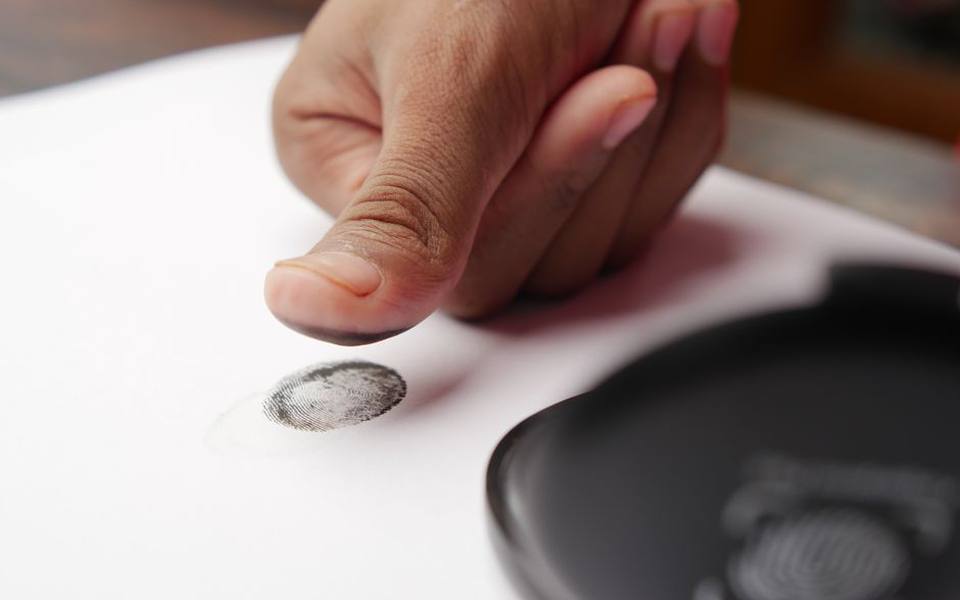
Capturing a signer's fingerprint in your journal provides an undeniable biometric link between the individual and the notarized document. In specific jurisdictions, such as for commissioned notaries in California, recording a thumbprint is an absolute legal mandate for real estate conveyances, deeds of trust, and powers of attorney. Even where not legally compulsory, acquiring a thumbprint serves as a formidable deterrent against forged identity fraud.
Modern signing agents rely almost exclusively on a specialized thumbprint ink pad formulated with inkless or semi-inkless ceramic technology. Unlike standard graphic stamp pads that leave greasy black stains on fingers and clothing, these compact pads deposit a micro-thin layer of non-toxic dye that reacts solely with paper. Signers can simply rub their fingers together or use a light tissue, and the residue vanishes completely without requiring soap and running water.
High-grade ceramic fingerprint pads also ensure that ridge details remain sharp, clear, and unblurred in your logbook. Over-inking or using generic craft pads often results in an illegible dark blob that forensic document examiners cannot analyze if a transaction is disputed in court. Keeping a fresh, tightly capped inkless pad in your mobile portfolio ensures dependable prints for hundreds of individual document signers.
Deploying a Portable Document Scanner in the Field
The rapid expansion of remote real estate closings has turned the portable document scanner into an essential tool for mobile professionals. Title companies and lenders routinely require immediate scanbacks of executed loan packets before releasing funding keys. Rather than driving miles back to a home office or searching for a commercial printing shop late in the afternoon, having a compact scanner in your vehicle allows you to upload high-resolution files straight from the signing table.

When evaluating field scanners, focus on single-pass duplex scanning and a reliable automatic document feeder that handles mixed paper sizes. Closing packages regularly combine standard letter pages with legal-sized disclosures and promissory notes. A mobile unit should easily feed fifty sheets at a time without jamming or skewing images, producing crisp three-hundred-dot-per-inch PDF files that satisfy demanding underwriters and escrow officers.
Power independence and connectivity are equally crucial when working on the move. Many modern portable units operate on rechargeable lithium batteries and can sync scanned files directly to a laptop, tablet, or smartphone over Wi-Fi or USB. For professionals working as mobile loan signing agents, having this rapid digital turnaround capability often leads to direct repeat assignments from escrow firms looking for flawless execution.
Inks, Maintenance, and Auxiliary Date Stamps
Routine maintenance of your marking devices guarantees that every certificate you complete looks clean and legible to county recorders. Stamps gather dust, paper fibers, and dried pigment over months of travel in a mobile briefcase. Cleaning your rubber die occasionally with a gentle damp cloth or specialized stamp cleaning putty prevents fuzz from distorting crucial commission text, license numbers, and seal boundaries.
Replenishing ink requires strict adherence to manufacturer chemical formulations. You should never add standard water-based desk ink into a pre-inked stamp designed for oil-based pigment, as incompatible compounds will melt the microporous foam die and permanently destroy the impression quality. Adding only three to four drops of dedicated re-inking fluid into the designated replenishment ports and allowing the pad to rest overnight restores crisp, dark performance without oversaturating the mechanism.
In addition to your primary official seal, carrying a self inking date stamp streamlines administrative record keeping significantly. Many notaries use an adjustable rotary dater to mark document receipt dates, journal page headers, and internal billing invoices. Keeping repetitive date notations neat and mechanical reduces manual writing fatigue during large closing packages while eliminating ambiguous handwriting that could cause clerk recorders to reject filings.
Administrative Desk Stamps for Mailing and Organization
Managing a steady stream of paper transactions requires an efficient shipping and correspondence setup. Mobile notaries frequently prepare return overnight mailers for title companies, court clerks, and law firms. Utilizing a clean custom return address stamp on envelopes, protective document sleeves, and courier waybills saves time while projecting a polished, professional brand image to clients receiving your business correspondence.
In offices handling heavy volume, a custom stamp postage tool or personalized mailing stamp helps standardize how envelopes are routed and tracked. While formal postage stamps require exact automated meter purchasing or pre-paid postage accounts, administrative rubber stamps marked with specific handling instructions—such as Urgent Legal Documents or Do Not Fold—ensure delivery handlers treat sensitive packets with appropriate care during transit.
Combining these workflow stamps with dedicated filing bins and labeled document folders keeps your work surface organized during busy transaction days. When handling multiple closings in a single afternoon, clear physical organization prevents documents from different signers from becoming accidentally commingled. Small administrative tools, while simple, prevent costly courier errors and keep your practice running with systematic precision.
Security Protocols and Safe Disposal of Worn Gear
Your notary tools carry significant legal weight, and letting them fall into unauthorized hands can lead to catastrophic identity theft or legal liability. In almost every state, you are legally forbidden from allowing an employer, coworker, or family member to use your official seal or logbook. Maintaining strict control means keeping all stamps, embossers, and journals secured in a locked bag or steel lockbox whenever they are not in your direct physical presence.
When your commission expires, is renewed under a new number, or if you relocate to another county or state, you must retire your old tools securely. Simply tossing an outdated seal into a household trash bin creates an enormous fraud risk. Most state commissioning boards recommend or legally require permanently defacing rubber stamp dies by slicing the rubber surface with scissors or peeling the text face away and destroying it thoroughly.
Metal embosser inserts should be bent or filed down so that crisp impressions can no longer be formed on blank paper. Retiring a completed journal requires long-term secure archival according to your state's mandated retention timeline, which typically spans anywhere from five to ten years or indefinitely. Documenting the date and method of disposal protects you against fraudulent notarizations executed under expired credentials.
Where and How to Order Compliant Notary Supplies
Purchasing supplies requires careful discernment to avoid unaccredited vendors that cut corners on statutory guidelines. Many general novelty printing websites sell customizable stamps, but they frequently fail to keep up with changing legislative updates regarding state seal diameters, mandatory county phrases, or seal border thickness. Submitting paperwork stamped with non-compliant seals leads to immediate rejection by recording offices and financial institutions.
Sourcing your tools through established state-approved vendors, trusted supply distributors, or recognized professional associations guarantees that your layout satisfies statutory rules. When you order notary stamp hardware, legitimate suppliers will always ask you to upload or mail a certified copy of your official commission certificate before they begin manufacturing the die. Avoid any seller willing to produce an official state seal without requesting formal commission verification first.
Building a reliable inventory of essential gear—from your primary stamp and embosser to your portable scanner and inkless thumbprint pad—is the foundation of a successful notarial career. By investing in durable, state-compliant equipment and maintaining disciplined security habits, you protect signers, shield yourself from liability, and deliver smooth, professional signing experiences on every assignment.
Published 2026-09-20 · reviewed with each rebuild, last September 2026.
Find notaries near you
The directory lists 5,516 notaries by state and city — pick your state or use the “Near me” button in the header.
More guides
-
 Service
A Practical Guide to Power of Attorney: What It Means, Typical Costs, and Proper Execution
-
 Service
Where and How to Get Fingerprinted for an FBI Background Check
-
 Owning
Understanding Real Estate Deeds: Transfer on Death, Deed of Trust, and Mortgages
-
 Service
What Is an Apostille? How to Get Birth Certificates and Documents Apostilled
-
 Service
Do Banks Notarize Documents? Free Branch Options, Notary Fees, and Licensing Guide
-
 Owning
Essential Legal Documents: Bills of Sale, Estate Affidavits, and Corporate Records
-
 Money
MoneyHow Much Does a Notary Cost? Standard Fees, Travel Rates, and Extra Charges Explained
-
 Owning
Which Documents Need to Be Notarized? Leases, Notes, and Directives Explained
-
 Buying
Complete Bill of Sale Guide: Vehicle, Boat, and General Templates
-
 Service
Form I-9 Employment Eligibility Verification: Acceptable Documents and Rules
-
 Service
LLC Formation Documents, Residence Proof Affidavits, and Legal Verification
-
 Owning
How to Become a Notary Public: Supplies, Stamps, Training, and E&O Insurance
-
 Service
Fingerprinting and Live Scan Background Checks: Methods, Locations, and Cards
-
 Service
A Consumer Guide to Notary Public Services and Remote Online Notarization
-
 Service
Estate Planning Essentials: Wills, Codicils, and Healthcare Power of Attorney
-
 Buying
Vehicle Bill of Sale and Title Transfer Notarization Guide
-
 Service
Live Scan Fingerprinting and FBI Background Check Services Guide
-
 Service
Form I-9 Employment Verification and Identity Proofing Guide
-
 Service
Notary Training, Commissioning, Bonding, and E&O Insurance Guide
-
 Owning
A Complete Guide to Power of Attorney: Types, Forms, and Execution
-
 Money
MoneyHome Refinance and Cash-Out Mortgage Guide: Loan Closing, Rates, and Calculations
-
 Buying
Vehicle Title Transfer and Bill of Sale Guide: DMV Process, Forms, and Notarization
-
 Owning
Estate Planning and Real Estate Document Guide: Wills, Deeds, and Affidavits
-
 Owning
Articles of Incorporation and Corporate Filing Guide: LLCs, Nonprofits, and Bylaws
-
 Service
Remote Online Notarization and Mobile Notary Services Guide: How It Works and Costs
-
 Safety
Minor Travel Consent and Passport Documentation Guide: Forms, Rules, and Notarization
-
 Service
International Document Apostille, USCIS Translation, and Legalization Guide
-
 Money
MoneyProperty Tax Appeal and Protest Guide: Process, Filing Forms, and Representation
-
 Buying
Motor Vehicle Bills of Sale and Title Transfers: A Complete Guide
-
 Money
MoneyA Practical Guide to 401(k) Hardship Withdrawals and Emergency Access
-
 Owning
Heavy-Duty Fasteners, Scanners, and Document Handling Equipment for Notaries
-
 Service
Live Scan Fingerprinting, Background Checks, and Identity Verification: A Complete Practical Guide
-
 Service
Notary Public Training, Essential Supplies, and Digital Workflow Guide
-
 Owning
Corporate Formation and Governance: Articles of Incorporation and Board Minutes
-
 Buying
Vehicle Bill of Sale and Title Transfer Notarization Guide
-
 Service
A Practical Guide to Affidavits, Proof of Residency, and Identity Declarations
-
 Money
MoneyMortgage Cash-Out Refinancing: Equity Rules, Liens, and Closing Procedures
-
 Service
Certified Translation Services and State Department Legalization
-
 Service
A Practical Guide to Fingerprinting Services, LiveScan, and Identity Verification